


















Article Contents
Article ID: CM2601113002
Views: 584Molecular Mechanisms and Therapeutic Implications of Oleuropein, a Multitarget Phytochemical in Lung Cancer
 DOI:
DOI:
 PDF
PDF
⬇ Downloads: 23
1Herbal Biomedicine Inc, Hauppauge, New York-11788, USA;
2Dr. Panjwani Center for Molecular Medicine and Drug Research, International Center for Chemical & Biological Sciences, University of Karachi, Pakistan
Received: 14 January, 2026
Accepted: 01 April, 2026
Revised: 06 March, 2026
Published: 18 June, 2026
Abstract:
Background: The most widely spread cause of death among other malignancies that need urgent diagnosis and treatment is lung cancer across the world. Small Cell Lung cancer and Non-Small Cell Lung Cancer (NSCLC) are two types of lung cancer. The latter is the primary cause of cancer related mortality, because of late diagnosis, tumors of aggressive growth, drug resistance, and serious side effects of chemotherapeutic drugs. These challenges require immediate development of multitargeted agents/drugs to treat these lethal diseases using evidenced-based herbal approaches to minimize the side effects.
Objective: The aim of this review is to show that oleuropein, a form of secoiridoid polyphenol present in olive leaves and products made of olive may have chemopreventive properties. It dwells upon its molecular and cellular processes and translational importance in the prevention and treatment of lung cancer.
Methods: A comprehensive analysis of preclinical studies of the effect of oleuropein in lung cancer models was collected from the internet database PubMed/Medline, Research gate and Web of Science until the end of 2025. In order to disclose its influence on tumor cell growth, programmed cell death, metastasis, blood vessel formation, inflammation, and downstream signaling pathways, recent discoveries in in-vitro experiments and in-vivo experiments were assessed. The mechanistic understanding of the redox modulation, cell-cycle regulation, epithelial-mesenchymal transition (EMT), epigenetic modulation and other anti-cancer drug engagement in this review are also described.
Results: There are various evidences from preclinical studies that support the role of oleuropein in reducing cell growth of lung cancers, starting apoptosis, suppressing metastatic activity. The evidences also support its role in reducing neovascularization and inflammation that promote tumor. Oleuropein can perform these actions by facilitating apoptotic signaling (intrinsic and extrinsic), promoting cell-cycle arrest by inhibition of cyclin-CDL and elevation of CDK inhibitors. Moreover, it also mediates suppression of key signaling pathways for oncogenic activity namely PI3K/Akt/mTOR, NF-κB and STAT3. Lastly, evidences also showed that Oleuropein also inhibit EMT, remodeling of extracellular matrix, angiogenesis induced via hypoxia. These actions are done by changing the HIF-1alpha/VEGF signaling and controlling epigenetic processes and microRNA networks that support progression of tumor.
Conclusion: Altogether, oleuropein is a promising multitargeted bioactive compound with a good safety profile and mechanistic applicability to lung cancer prevention and treatment. To further explore its pharmacokinetics studies and clinical application additional studies are required.
Keywords: Oleuropein, lung cancer, apoptosis, angiogenesis, autophagy, polyphenols.
1. INTRODUCTION
Lung cancer is one of the main causes of cancer mortality in the world among both men and women with a poor prognosis and minimal options for treatment. It also causes about one-fifth of cancer deaths in the world, which means that it has a high rate of death. Lung cancer can be clinically divided into two large subtypes namely small cell lung cancer (SCLC) and non-small cell lung cancer (NSCLC) [1, 2]. The latter accounts about 80-85% of cases and is related to high mortality, but SCLC is not that frequent but usually more aggressive with a rapid growth and early metastasis [3, 4]. These conditions vary greatly in their histopathological features, changes in their genes, molecular pathway, disease presentation, phenotype, and therapeutic effects [1, 4, 5].
There have been significant improvements in therapeutic agents, especially the production of molecularly targeted therapy against critical oncogenic drivers, such as immune checkpoint inhibitors (ICIs) against PD-1/PD-L1, Anaplastic Lymphoma Kinase (ALK) rearrangements, and Epidermal Growth Factor Receptor (EGFR) mutations, which have demonstrated improved results in specific patient groups [6–9]. These improvements are, however, usually constrained by the absence of specific treatment, resistance to existing anti-cancer drugs, and genetic changes, stimulation of signaling pathway, phenotypic plasticity, and tumor microenvironment triggered immune escape [10, 11]. Multiple mechanisms are involved in the oncogenesis of NSCLC and SCLC as shown in Fig. (1) illustrated using AI based tools and edited by the author.
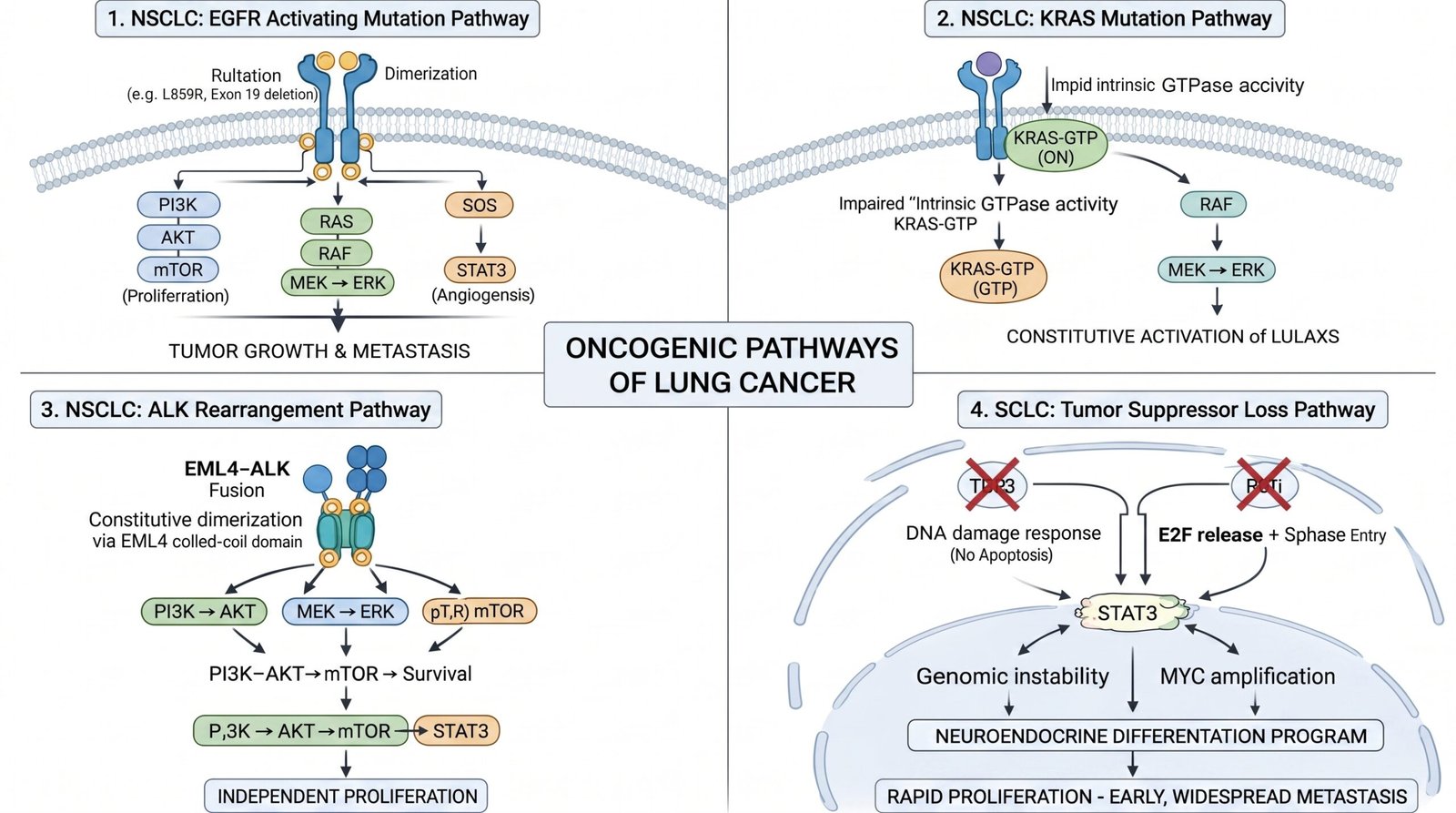
Fig. (1). Lung cancer progression molecular mechanisms and oncogenic pathways. The EGFR activating pathway schematic molecular mechanisms, KRAS (Kirsten Rat Sarcoma viral oncogene homolog) mutation pathway, ALK (Anaplastic Lymphoma Kinase) rearrangement pathway and tumor suppressor pathways schematic molecular mechanisms of oncogenesis in Non-Small Lung Cancer (NSCLC) and Small Cell Cancer (SCLC).
Systemic adverse effects usually restrict the use of traditional chemotherapy, whereas immune checkpoint inhibitors (ICIs) may also lead to immune related toxicities that impact various organs, including severe pneumonitis in a few patients [3, 12]. These restrictions reinforce the argument of investigating complementary and alternative strategies that can tune the various cancer hallmarks with fewer side effects.
Research indicates that natural bioactive compounds have thus attracted significant interest as chemopreventive and adjuvant candidates due to the fact that most of them does not target one particular molecular target, but rather a series of complex interlinked signaling pathways [13, 14]. One of the main olives secoiridoids is Oleuropein, which has been of interest because of its anti-inflammatory and antioxidant effects and more recently its developing anticancer effects on heterogenous malignancies such as lung cancer [15]. Oleuropein has also been shown to inhibit proliferation, cause apoptosis, suppress invasion and pro-angiogenic signaling in lung cancer models using pleiotropic molecular mechanisms [16, 17]. These studies on mechanistic and pharmacological findings highlight to its clinical translation further evaluation as a multitargeted anti-cancer agent. Moreover, such treatment methods can enhance the growth of complementary and alternative medicine in treating lung cancer, and reduce the side effects of the traditional treatment.
2. SOURCE OF OLEUROPEIN
Among several phenolic constitutes in olive tree, also known as Oleas europea, is Oleuropein, which is a non-toxic secoiridoid glycoside. It is widely distributed in various parts of the plant including leaves, fruit, pulp and seeds etc. and is a member of family Oleaceae, Gentianaceae, and Cornaleae [18]. Olive leaves have especially a greater amount of Oleuropein and are traditionally employed in nutraceutical and pharmacological extracts [19]. Recent evidence illustrates that oleuropein has a pharmaceutical promise against different diseases including obesity, diabetes, cardiovascular complications, neurodegenerative diseases, cancer, inflammation, microbial infections and oxidation [18, 19]. It is also reported to be the chemotaxonomic marker [20]. The stability and extensive range of bioactivity of Oleuropein have contributed in sustaining the interest in its therapeutic potential, such as anticancer applications.
2.1. Chemical Structure and Pharmacokinetics
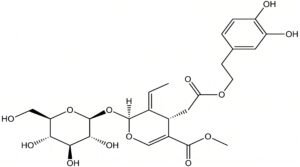
Structural Components of Oleuropein
- A phenolic moiety (hydroxytyrosol) responsible for strong antioxidant activity
- An elenolic acid moiety
- A glucose residue linked via a glycosidic bond
Oleuropein (C25H32O13) is a phenolic secoiridoid glycoside with its structure made up of hydroxytyrosol moiety (mainly contributing to antioxidant activity), elenolic acid group and a glucose molecule. A particular family of coumarin-like compounds that tend to be glycosidically bound and are formed by secondary metabolism of terpenes is known as secoiridoids. With its multiple hydroxyl groups its radical scavenging and metal chelating capabilities are high. In olives, Oleuropin (ester of elenolic acid and 3,4-dihydroxyphenyl ethanol (HT) is present as the primary glycoside, which once degraded can lead to the production of hydroxytyrosol in olive oil [21]. After enzymatic hydrolysis of orally consumed oleuropein in the gastrointestinal tract, it results in production of bioactive secondary metabolites called hydroxytyrosol and oleuropein aglycone. Its absorption is done through passive diffusion across epithelial cells. This process results in its aggregation in the tissues and imposing antioxidant effects through cellular signaling pathways. It was made possible due to the higher partition co-efficient of its aglycone moiety (3,4-DHPEA-EA, Oleu aglycone). The effects have a mitochondrial dysfunction effect and hence suppress the proliferation of cancer cells implying that it is highly selective to cancer cells [15, 19]. Although preclinical results were encouraging after orally ingesting Oleuropein, the clinical translation has been limited because of the suboptimal pharmacokinetic variability especially low bioavailability, reduced absorption and metabolic degradation. Formulation and implementation of advanced delivery systems are required to be optimized to improve the therapeutic efficacy [16]. De Bock and colleagues have measured the bioavailability and metabolism of nine human participants who were given 51.1 mg and 76.6 mg of oral oleuropein in capsules and in liquid form in 51.1 mg olive oil and 76.6 mg olive oil. A week later oleuropein and hydroxytrosol metabolites were recovered in plasma samples and in urine within 8h [22]. Moreover, the pharmacokinetic (PK) analysis revealed a good safety profile of oleuropein and an LD50 of 2000 mg/kg was reported [22, 23]. Nevertheless, oleuropein is highly volatile and thus it needs sophisticated formulation approaches, because its clinical use is constrained by rapid metabolism, slow absorption and poor stability. Better pharmacological performance has been noted with PEGylated nanophytosomes encapsulated oleuropein that increase its stability and bioavailability [24]. These delivery improvements will be able to increase their oral bioavailability by altering the nutraceuticals pharmacokinetic profiles, and by direct effect of increasing their physiological and therapeutic advantages [24, 25].
2.2. Mechanisms of Anticancer Activity of Oleuropein in Lung Cancer
Oleuropein, a major secoiridoid polyphenol from Olea europaea, has shown broad anticancer activity in lung cancer models through multitargeted molecular pathways as summarized in Fig. (2), illustrated using AI based tools and edited by the author. A recent in-vitro study demonstrated that oleuropein reduces oxidative stress and DNA damage while promoting apoptosis in human alveolar epithelial cell line A549 when exposed to IL-17A [26].
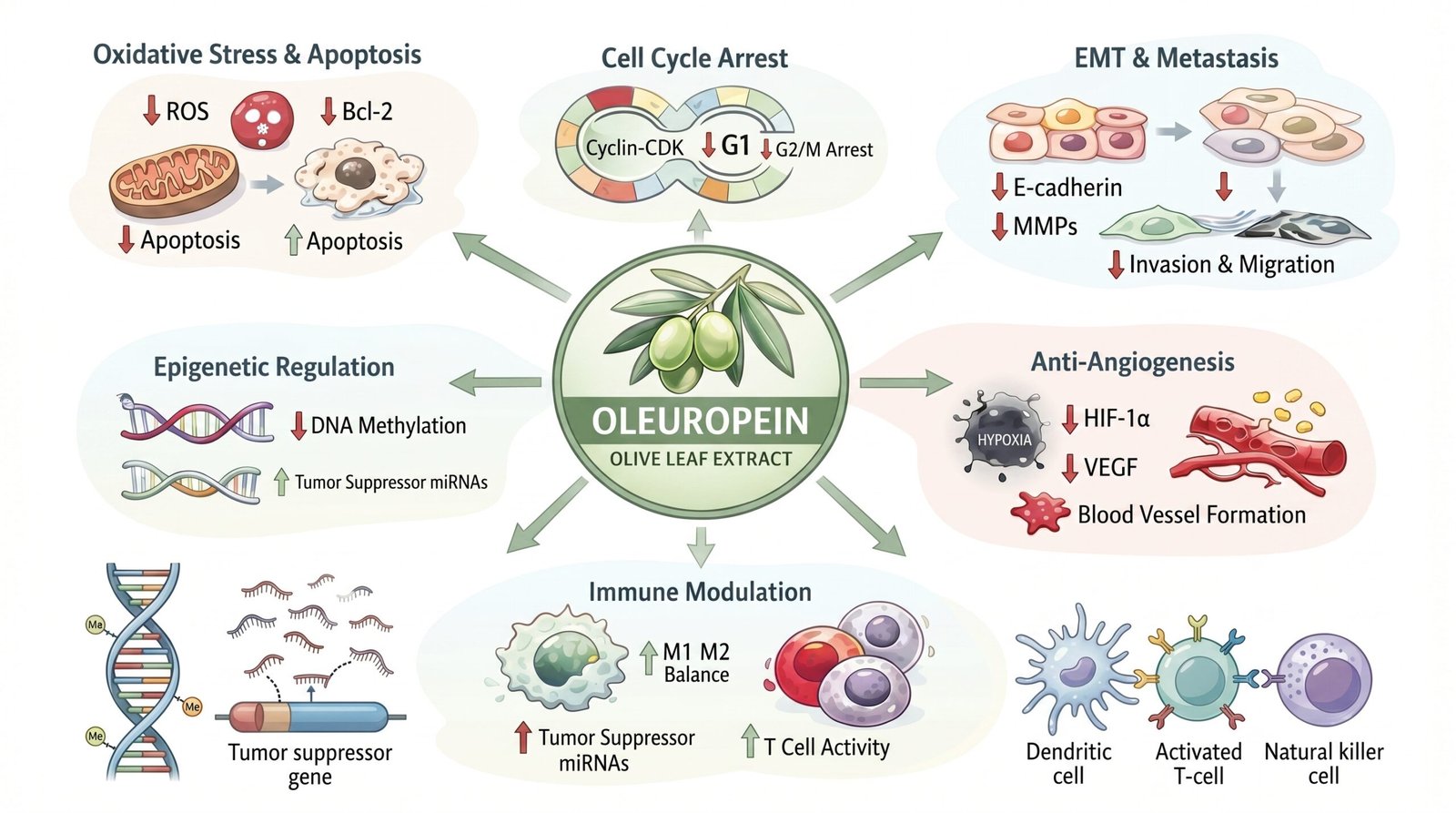
Fig. (2). Overview of anticancer effect of oleuropein on lung cancer. The figure with the multitargeted effects of oleuropein on lung cancer, such as the induction of oxidative stress mediated apoptosis, inhibition of cell cycle progression, inhibition of EMT and metastasis, down-regulation of epigenetic events, inhibition of angiogenesis through Hypoxia-Inducible Factor-1 alpha (HIF-1α)/Vascular Endothelial Growth Factor (VEGF) signaging, and the antitumor immunotherapy.
2.2.1. Regulation of Oxidative Stress and Redox Signaling
As per existing research, depending on intracellular concentration of cancer cells, they can be positively and negatively affected by Reactive Oxygen species (ROS) on cancer development [27, 28]. Low concentration of ROS can increase cell growth and viability, whereas at high concentrations can cause mitochondrial dysfunction leading to apoptosis and are not cleared from the body. Oleuropein aglycone attenuates oxidative damage through its antioxidant and autophagy-inducing effects primarily by the activation of 5′‐AMP‐activated protein kinase (AMPK) and modulation of autophagy‐regulating mechanistic target of rapamycin (mTOR) protein and Forkhead box O3A (FOXO3a) mediated transcription [30].
Since in cancer cells both hypermetabolism and oxidative stress exist, compared to normal cells more pronounced normal generation of ROS is observed [28, 29]. Oleuropein exerts a pro-oxidant effect in malignant transformed cells via increasing intracellular levels of superoxide and hydrogen peroxide that trigger caspase-dependent apoptotic pathway [30, 31]. Conversely, in physiology, it has strong antioxidant properties through direct scavenging of ROS since it is an ortho-diphenolic compound. Moreover, it enhances superoxide dismutase (SOD) and catalase (CAT) with its inherent antioxidant effect. As a result, it acts as a support in redox status and reduce oxidative stress.
In the models for lung cancer cells, oleuropin was found to have increase mitochondrial ROS, impact efficiency of electron transport, and damage antioxidant buffering (such as glutathione capacity). These capabilities resulted in depolarization of mitochondrial membrane, DNA damage through oxidation, and initiation of stress kinases, namely p38 MAPK and JNK (c-Jun-N-terminal kinases), that promote apoptotic signaling [32–34]. This process is also explained in Table 1.
Table 1. Oleuropein treatment’s cellular and molecular effects in lung cancer cells.
| Cellular Process | Key Molecular Changes | Functional Consequence |
| Oxidative stress regulation | ↑ Mitochondrial ROS, ↓ glutathione | Selective oxidative collapse of cancer cells |
| Apoptosis (intrinsic) | ↑ Bax/Bak, ↓ Bcl-2/Bcl-xL, ↑ caspase-9/3 | Programmed cell death mediated by mitochondria |
| Apoptosis (extrinsic) | ↑ Fas, DR4/DR5, ↑ caspase-8 | Death receptor–mediated apoptosis |
| Cell cycle arrest | ↓ Cyclin D1/B1, ↓ CDK2/4/6, ↑ p21/p27 | Cell cycle arrest (G0/G1 or G2/M) |
| Angiogenesis | ↓ VEGF, ↓ endothelial proliferation | Reduced neovascularization |
2.2.2 Apoptosis Induction: Intrinsic and Extrinsic Pathways
A major anticancer mechanism of oleuropein in lung cancer cells is the activation of apoptosis through both intrinsic (mitochondrial) and extrinsic (death-receptor mediated) apoptotic pathways as shown in Fig. (3) illustrated using AI based tools and edited by the author. In lung tumors. In lung tumors, they have an inherent resistance for programmed cell death. But it can be overcome by a dual pathway [35, 36]. A key success against lung cancer is the dysregulation of apoptotic signaling, which include overexpressing anti-apoptotic proteins and damage activation of caspase.
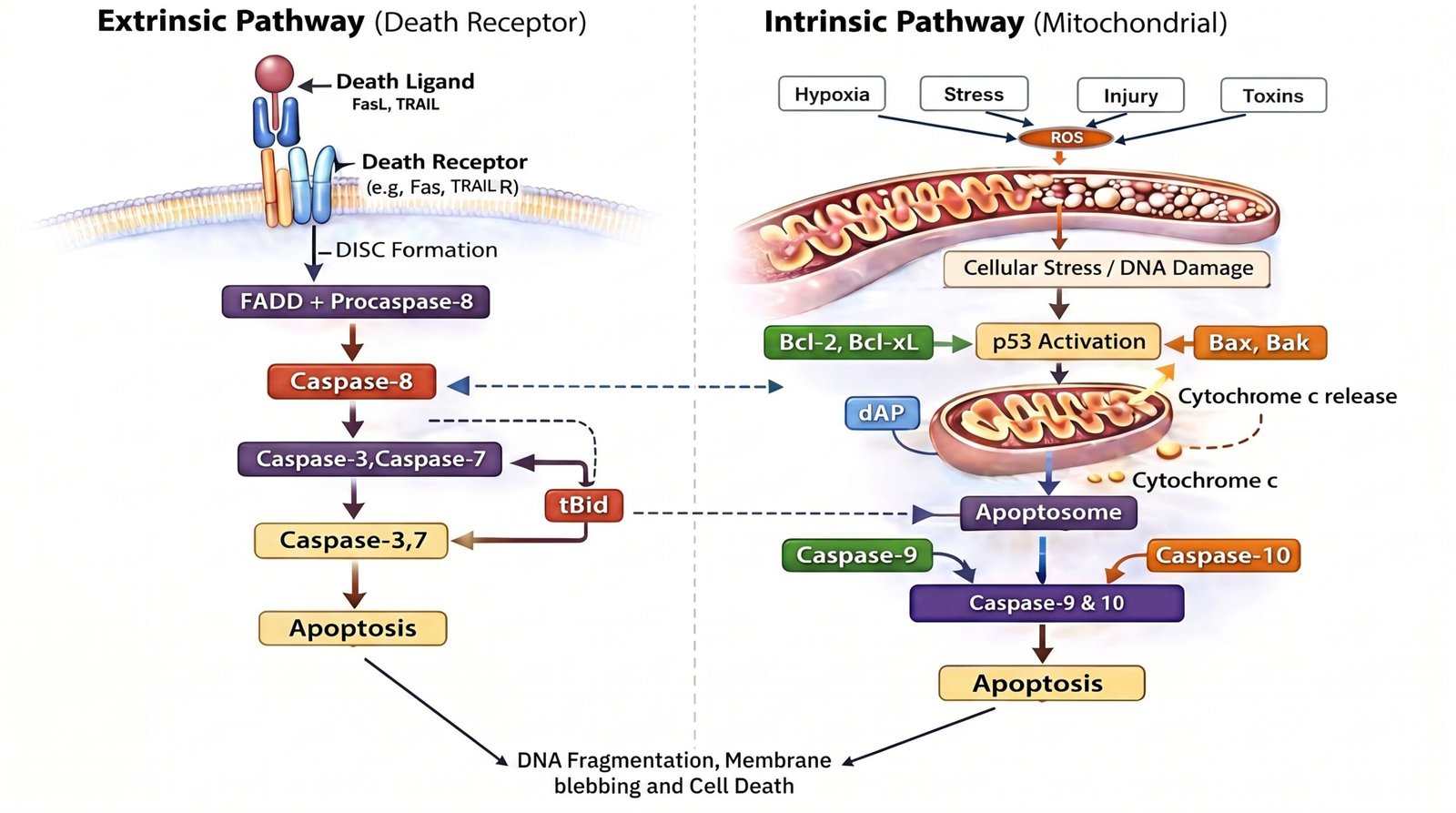
Fig. (3). Diagram of Apoptotic pathways. A: Extrinsic pathway is activated by binding of death ligands such as TNF and FasL to their transmembrane-bound death receptors which activates caspase 8. B: In the intrinsic pathway, proapoptotic factors Bax/Bak oligomerize at the mitochondrial membrane and release cytochrome c which activates caspases and induces apoptosis.
Studies using lung cancer models found that Oleuropein has impact on Bcl-2 family protein by making significant changes in it [16, 36, 37]. It makes these changes through high Bax/Bcl-2 ratio, which is created through activation of pro-apoptotic Bax and Bak and inactivation of anti-apoptotic Bcl-2 and Bcl-xL. This leads to the permeability of the mitochondrial outer membrane, which releases cytochrome c into the cytoplasmt. The cytochrome c form apoptosome complex after binding with Apaf-1 and sequentially activate caspase-9 and caspase-3 for irreversible cell death.
The result of intrinsic and extrinsic pathways is activation of cysteine proteins/caspases. Two caspases, the initiator and executioner, cut the cytoskeletal proteins and fragment nuclear DNA. The apoptotic process dys-regulation leads to initiation of cell proliferation and inhibition of cell death in lung tumors. Oleuropein initiate extrinsic apoptotic signaling cascade as it up-regulate Fas (CD95) and Tumor Necrosis Factor-Related Apoptosis-Inducing Ligand (TRAIL) receptors (DR4/DR5). This results in activation of caspase 8 and start either direct activation of caspase-3 or increase mitochondrial-mediated apoptosis through Bid cleavage activation and link the two pathways. Thus, Oleuropein, with ability of dual-way activation, is multitargeting pro-apoptotic agent
Asgari et al. [39] indicated that Oleuropein modulates the expression of apoptotic and metastatic genes and microRNAs in gastric cancer cells. Another study reported that oleuropein decreased the viability of A549 cells via decrease in mitochondrial membrane potential, increase in Bax/Bcl- 2 ratio (Table 1), release of mitochondrial cytochrome c and activation of caspase-9 and caspase-3 [35, 39].
2.2.3. Cell Cycle Arrest and Proliferation
Uncontrolled cell proliferation is a defining hallmark of lung cancer and is largely driven by dysregulation of cyclin-dependent kinase (CDK) complexes that govern orderly cell cycle progression [40]. Oleuropein was found to have a potent antiprolliferative effect in lung cancer cells by disrupting such regulatory checkpoints. Experimental works indicate that oleuropein inhibits the production of key cell cycle-stimulating proteins such as cyclin D1 which regulates G1 phase transition and cyclin B1 which regulates G2/M transition [40, 41]. Oleuropein, concomitantly, inhibits CDK2, CDK4 and CDK6 activities, disrupting cyclin-CDK complex formation and phosphorylation of downstream targets needed to advance the cell cycle as indicated in Table 1.
Also, oleuropein suppress cyclins and cyclin-dependent kinases (CDKs) as well as amplifies the endogenous CDK inhibitors (p27^Kip1 and p21Cip1) expression and further enhances the cell cycle arrest and inhibits the growth of the cells as shown in Table 1. As a result, based on the cellular and molecular setting, cell cycle arrest in phases like G2/M or G0/G1 in lung cancer cells can be induced by this pathway and eventually progressing to apoptosis. Such coordinated mechanism emphasizes oleuropein’s role as a powerful regulator of cell cycle control in lung cancer.
2.2.4. Anti-Angiogenic Effects
The most important process in the development, progression and metastasis of lung tumors is known as angiogenesis or neovascularization. It is an activation of pro-angiogenic pathway, which causes augmentation in blood vessel density, nutritional and metabolic provision to the tumor cell, therefore supporting the quick growth and spread of tumor to other body parts. Hypoxic conditions in the microenvironment of the tumor are a major cause of this process, stabilizing HIF-1 α and activating pro-angiogenic HIF-1α-regulated factors like VEGF. Oleuropein inhibits the stabilization and transcriptional activity of HIF-1α, resulting in downstream VEGF formation, preventing the signals that stimulate endothelial cell activation and blood vessel formation (Table 1) [44, 45]. Consequently, this imposes an inhibitory effect on HIF-1 and VEGF, thereby lowering endothelial cell proliferation, migration, and tube formation which are the necessary processes in neovascularization [43].
This impairment of angiogenic pathway inhibits the formation of functional tumor vasculature, ultimately reducing oxygen and nutrient supply to the tumor cells. In cancer of the lungs, where angiogenesis is strongly linked to aggressive tumor growth and capability to spread, this vascular inhibition can largely suppress tumor growth and spread [37, 38]. This action of oleuropein interferes with the pro-survival and pro-angiogenic signaling, and thus supports its possible application as an adjuvant anti-angiogenic agent in lung cancer treatment.
2.2.5. Suppression of Oncogenic Signaling Targets
Oleuropein alleviates various oncogenic pathways, which are constitutively disregarded in lung cancer. The most common of these are the PI3K/Akt/mTOR pathway that is found to maintain tumor cell survival, metabolic reprogramming and therapeutic resistance as indicated in Table 2. [42]. It is demonstrated to prevent phosphorylation of Akt and its downstream target Mechanistic Target of Rapamycin (mTOR) in lung cancer models and so suppress the pro-survival pathway [42, 46, 47]. This inhibition results in reduced protein synthesis and glycolytic metabolism and denies cancer cells the energy and biosynthetic resources necessary to proliferate and metastasize rapidly. Critically, loss of PI3K/Akt/mTOR signaling also enhances tumor cell vulnerability to apoptotic factors, thus supporting the death promoting signaling pathways.
Table 2. Oleuropein-targeted key oncogenic signaling pathways in lung cancer.
| Oncogenic Pathway | Major Molecular Targets | Effect of Oleuropein | Biological Outcome |
| PI3K/Akt/mTOR | Akt, mTOR, p70S6K | ↓ Phosphorylation and activation | Lowered survival signaling, synthesis of protein, and metabolic activity |
| NF-κB | IκBα, NF-κB p65 | ↓ IκBα degradation, ↓ nuclear translocation | Reduced inflammation, anti-apoptotic gene expression |
| STAT3 | p-STAT3 | ↓ STAT3 phosphorylation | suppressed angiogenesis, immune evasion, and proliferation |
| MAP Kinase | p38 MAPK, JNK | ↑ Stress kinase activation | Promotion of apoptosis under oxidative stress |
| HIF-1α pathway | HIF-1α | ↓ Stabilization under hypoxia | Impaired angiogenic signaling |
Moreover, Oleuropein is also found to have impact of the regulation of oncogenic signaling related to inflammation and immunity in the progression of lung tumor. A key feature in the lung carcinogenesis induced inflammation is prolonged activation of Nuclear Factor kappa-light-chain-enhancer of activated B (NF-KB). It supports anti-apoptotic and pro-inflammatory mediators’ expression. Oleuropein causes nuclear translocation of p65 subunit of NF-KB cells and down streaming of Bcl-2, cyclooxygenase-2 (COX-2), Interleukin-6 (IL-6), and Tumor Necrosis Factor-alpha (TNF-alpha) target production as it reduces IKB-alpha degradation [45, 48, 49] (Table 2). Additionally, oleuropein pulls down phosphorylation of Signal Transducer and Activator of Transcription 3 (STAT3). In lung cancer, STAT3 is a key player in evasion of immune, angiogenesis, and metastatic potential. Therefore, blockade of STAT3 signaling results in suppressed VEGF, surviving, and cyclin D1, restricting tumor growth and survival [50] (Table 2).
Overall, considering the molecular effects of all the pathways combined has attracted the interest towards oleuropein high potential in disruption of more than 1 oncogenic pathways (PI3K/Akt/mTOR, NF- 00B and STAT3). It also shows oleuropein inherent multitargeted anticancer activity and overcoming the resistance in lung cancer.
2.2.6. Inhibition of EMT, Migration, and Metastasis
In lung cancer metastasis is the prime cause of death in lung cancer. This process is a cascading event of biological processes that are highly coordinated. Through metastasis tumor cells invade and spread to other tissues and organs. Epithelial-mesenchymal transition (EMT) a biological pathway that is reversible and highly conserved. In this cancer cells lose their epithelial phenotype and gain high motility and invasion from the cells next to it. The role of Oleuropein in the context of lung cancer cells is that it prevents EMT because it has the ability to restore the phenotype of epithelial cells and reduce mesenchymal transformation. Moreover, E-cadherin is a key adhesion molecule for epithelial cells, Oleuropein promotes its expression and reduce vimentin and N-cadherin expression [51]. These capabilities of Oleuropein helps in recovery of cell adhesion and reducing the invasion.
In addition to its action on EMT signals, oleuropein interferes with the transcriptional activity which underlies metastatic development. It inhibits the action of EMT-stimulating transcriptional factors, such as Snail, Slug and Twist, which have been shown to suppress the expression of epithelial genes and induce mesenchymal transformation [51, 44] (Table 3).
Table 3. Oleuropein effects such as anti-metastatic, epigenetic, and immunomodulatory.
| Cancer Hallmark | Molecular Targets | Effect of Oleuropein | Impact on Tumor Progression |
| EMT | ↑ E-cadherin, ↓ N-cadherin, ↓ vimentin | Reversal of EMT phenotype | Reduced invasion and migration |
| EMT transcription factors | Snail, Slug, Twist | ↓ Expression | Suppressed metastatic programming |
| Matrix remodeling | MMP-2, MMP-9 | ↓ Expression/activity | Impaired extracellular matrix degradation |
| Epigenetic regulation | DNA methylation, histone acetylation | Reactivation of tumor suppressor genes | Long-term growth suppression |
| microRNA regulation | miR-34a, miR-200 family | ↑ Tumor-suppressive miRNAs | Inhibition of EMT and survival pathways |
| Immune modulation | TNF-α, IL-6, macrophage M1/M2 balance | ↓ Pro-tumor inflammation, ↑ antitumor immunity | Enhanced immune surveillance |
Furthermore, matrix metalloproteinases MMP-2 and MMP-9 are key player in the destruction of extracellular matrix and invasion by tumor cell in A549 lung adenocarcinoma cells. Oleuropein reduces their expression and enzymatic activity as it inhibits NF- κB and PI3K/Akt signaling pathway [51]. It also causes interference in the lung cancer cell migration, invasion, and metastatic colonization, which advocates its use as a complementary anti-metastatic agent for treating lung cancer [38, 52].
2.2.7. Epigenetic and Micro-RNA Regulation
Oleuropein can have a part in prolongation of phenotypic inhibition through epigenetic and microRNA (miRNA) regulation. As per researches Oleuropein impact histone acetyltransferases (HATs) and histone deacetylases (HDACs) to regulate levels of histone acetylation [53, 54]. This regulation can lead to alterations in the accessibility of chromatin, gene transcription (for proliferation and apoptosis genes), and response for oxidative stress. Silencing of tumor suppressor pathways and promotion of malignant identity can be done through dyregulating epigenetics Abnormal DNA methylation and change in histone modifications. Saz-Lara et al. [55], reported that treatment of MCF‐7 breast cancers with oleuropein produced a decrease in histone deacetylase 2 (HDAC2) and histone deacetylase 3 (HDAC3) [52, 55]. In the same adenocarcinoma MCF‐7 cells model oleuropein was also able to modulate HDAC1 and HDAC4 [44]. It has been indicated that oleuropein has the potential to adjust histone acetylation and decrease abnormal DNA methylation in favor of growth-inhibitory and pro-apoptotic programs re-expression [35, 36, 44]. It has also been proposed that Oleuropein regulates tumor-suppressive microRNAs associated with EMT and apoptosis such as miR-34a and the miR-200 family (Table 3) that might have a role in long-term inhibition of invasion and increased sensitivity to apoptosis [55, 56]. Although these results are encouraging, mechanism-specific validation in lung cancer subtypes is a significant future study.
2.2.8. Immunomodulatory Effects on the Tumor Microenvironment
Oleuropein may also have significant inhibitory effect on tumor immune microenvironment. In case of chronic inflammation, cytokines like TNF- α and IL-6 support tumor growth, angiogenesis, and evasion of immune. Chronic immune mediated inflammatory diseases (IMID) are when inflammatory response is altered. IMID includes rheumatoid arthritis, inflammatory bowel disease, multiple sclerosis, systemic lupus erythematosus, and psoriasis [56, 57]. Studies showed that with Oleuropein, the production and signaling of inflammatory mediators can be decreased [9, 12, 56, 57]. Such reduction can lower the pro-tumor immunosuppressive signaling and signals for tumor cell survival, as shown in Fig. (4).
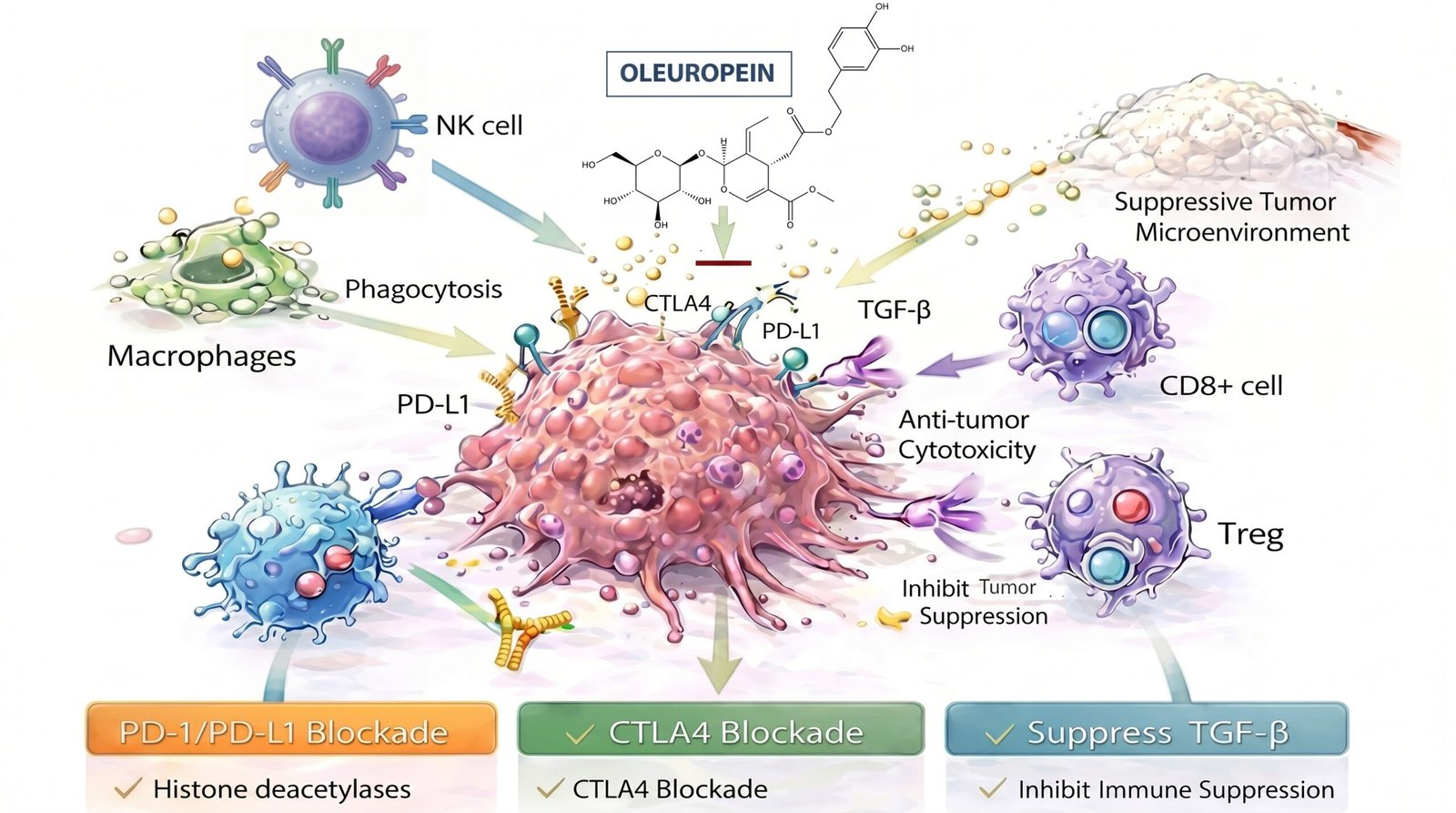
Fig. (4). Immunomodulatory effect of Oleuropein showing an upregulation of immune checkpoint molecule Programmed Death-Ligand 1 (PD-L1), which binds to PD-1 receptor and reduce T-cells activation. This receptor binding leads to an immunosuppressive response, facilitating the proliferation of lung cancer cells. Oleuropein suppress PD-L1, CTLA4, TGF- b and blocks immunosuppressive effect in tumor microenvironment.
The immune checkpoint proteins PL-D1, PD-L1 and CTLA4, which function as inhibitory immune receptors, restore the ability of the T-cell to recognize and inhibit tumor growth [9]. Furthermore, some research indicates that oleuropein can alter the macrophages’ polarization towards a more antitumor function (from M2 to M1) and can modulate the activity of the cytotoxic T cells, by inhibiting an excessive expression of immune check-point proteins, like PD-L1, CTLA4 and TGF- β, which have combined effect on suppression of immune [7, 58, 59].
A study asserted that in anti-tumor immune process, Oleuropein show anti-inflammatory activity in immune cell models that are activated and lowers the level of pro-inflammatory cytokines like interferon gamma (IFN)-γ [57]. The same study further adds that similar activity is also observed in murine peritoneal macrophages that are stimulated through lipopolysaccharide (LPS) and that it also helps in decreasing inducible nitric oxide Synthase (iNOS) and COX-2 overexpression [57]. Additionally, studies have also shown support for Oleuropein’s potential in modulating multiple targets like iNOS, nitric oxide (NO), tumor necrosis factor alpha (TNF α), IL-8, MMP-2, and MMP-9 [36, 37, 57]. It also helps in modulation of signaling pathways by regulating Nrf2/HO-1, MAPK, NFκB, vascular cell adhesion molecule-1 (VCAM-1), and intercellular adhesion molecule 1 (ICAM-1) [36, 37, 57].
These finding suggests that oleuropein may promote host’s anti-tumor immunity, showing its active role as an immunotherapeutic agent.
2.2.9. Oleuropein’s Preclinical Evaluation: In-Vitro and In-Vivo Lung Cancer Models
There are different experiments (in-vivo and in-vitro) that have shown evidences about the biological impacts of oleuropein. These impacts include antioxidant, antiprolliferative, anti-inflammatory, and proapoptotic effects. In-vitro experiments wherein non-small cell lung cancer (NSCLC) cell lines were used (A549, H1299, and H1975), found that oleuropein (10-200 µM) reduce the cell growth by inhibiting the cell cycle and causing cell death. Furthermore, its lower toxicity towards non-malignant lung epithelial cells suggests its selectivity toward cancer cells. Studies on xenograft mouse models demonstrate that oral or intraperitoneal administration of oleuropein at 10 to 100 mg/kg/day exerts marked anticancer effect without causing systemic toxicity [44, 52]. Histopathological analysis of the tumor tissues showed decreased vascularization, increased apoptotic bodies, and decreased cell adhesion supporting the mechanistic observations from in-vitro cell-based studies [52]. Its multitargeted activity and encouraging safety profile justify its future use in clinical settings both as a chemopreventive agent and adjuvant to enhance the action of chemotherapy, radiotherapy and immunotherapy [41]. However, there are still clinical issues such as poor oral bioavailability, metabolic inability, and inability to achieve therapeutically effective tissue concentrations [44].
To overcome such limitations, it may be necessary to develop optimized formulations and delivery plans, and to conduct well-designed clinical trials to determine efficacy, safety, dosing, and suitable population of patients [58].
2.2.10. Oleuropein Attenuates Adverse Effects of Other Chemotherapeutic Drugs
The combination therapy data is limited on lung cancer, that’s why in this review much of the evidence for oleuropein is derived from non-lung cancer models because this additional information would motivate researchers to study potential synergistic mechanisms and therapeutic applications specifically on lung cancer models. strategies involving oleuropein with conventional anticancer agents have demonstrated promising synergistic effects and potential to overcome chemotherapeutic resistance. Studies conducted recently on adult rats found that use of Oleuropein (200mg/Kg) reduced lipid profiles, glucose, lactate dehydrogenase (LDH), creatine kinase-myocardial band (CK-MB), inflammation, and improved antioxidant capacity [6, 59]. Studies also found pathological changes caused by 5-fluorouracil through oxidative stress and TNF- a/IL-6 signaling pathway modification [6, 59].
Through both type of experiments (in-vivo and in-vitro) Oleuropein is found to be having properties like increasing medication effectiveness [8, 11, 60, 61]. Examples of those medications include trastuzumab, doxorubicin, cisplatin, and cyclophosphamide. Such impact of medication effectiveness is because Oleuropein can increase apoptosis rate, lower survival signals (Bcl-2, NF-Kb, cyclin D1, COX-2), and increase pro-apoptotic proteins (like Bax) and cleavage of caspase-3 [8, 11, 60, 61]. When combined with doxorubicin as a cotreatment in breast cancer models, oleuropein showed prominent tumor growth inhibition, activation of apoptotic cell death, and cytoskeleton destabilization of tumor cell [11].
Oleuropein has also demonstrated protective actions against chemotherapy-induced organ toxicity, especially in cisplatin-induced renal injury, in part via regulatory ERK-mediated inflammatory and apoptotic pathways [62, 63]. Oleuropein has also been shown to have synergistic anticancer effects when used in models of melanoma and osteosarcoma in combination with targeted agents or hormonal therapies [61]. Banaei and colleagues reported that oleuropein exerts cardio-pulmonary protective effects against 5-FU toxicity through the decrease of oxidative stress and inflammatory cytokines [59]. Oleuropein has therapeutic potential to attenuate the pain manifestations in chronic constriction injury (CCI) and vincristine-induced neuropathic pain via increasing the expression of orexin and Nrf2 to ameliorate behavioral manifestations of pain [64]. These findings are consistent with other reports that indicate that oleuropein is likely to elevate the levels of enzymes like GPx and SOD in gentamicin-induced renal toxicity and cisplatin-induced renal injury models [42, 65]. Sherif reported that the natural antioxidants oleuropein and quercetin counteract the cyclophosphamide induced hepatotoxicity through activation of Nrf2/HO-1 signaling pathway with subsequent suppression of oxidative stress and inflammation [65, 66]. Taken together, these results indicate that oleuropein can be used as a chemosensitizing and cytoprotective adjunct, which can be incorporated into combination anticancer regimens.
CONCLUSION
From the existing studies it is confirmed that Oleuropein is a key player to treat and prevent lungs and other cancers. It is due to multiple biological effect of Oleuropein such as modification of tumor suppressor genes and suppressing oncogenes and key pathways (PI3K/AKT/mTOR, Wnt/ β-catenin and MAPK). Considering the multitargeting potential and reduced toxicity further investigations need to be undertaken to establish standardized formulations, improve bioavailability and rigorous to validate its therapeutic potential.
LIST OF ABBREVIATIONS
ALK | = | Anaplastic Lymphoma Kinase |
CAT | = | Catalase |
CCI | = | Chronic Constriction Injury |
CCI | = | Chronic Constriction Injury |
CDK | = | Cyclin Dependent Kinase |
c-Jun | = | C-Jun-N-Terminal Kinase |
CK-MB | = | Creatine Kinase-Myocardial Band |
EGFR | = | Epidermal Growth Factor Receptor |
EMT | = | Epithelial Mesenchymal Transition |
EMT | = | Epithelial-Mesenchymal Transition |
GPx | = | Glutathione Peroxidase |
HDAC2 | = | Histone Deacetylase 2 |
HIF-1α | = | Hypoxia-Inducible Factor-1 alpha |
ICAM-1 | = | Intercellular Adhesion Molecule 1 |
ICIs | = | Immune Checkpoint Inhibitors |
IFN-γ | = | Interferon-γ |
IMID | = | Immune Mediated Inflammatory Diseases |
iNOS | = | Inducible Nitric Oxide Synthase |
KRAS | = | Kirsten Rat Sarcoma |
LDH | = | Lactate Dehydrogenase |
LPS | = | Lipopolysaccharide |
MAPK | = | Mitogen-Activated Protein Kinase |
mTOR | = | Mechanistic Target of Rapamycin |
NF-κB | = | Nuclear Factor Kappa-Light-Chain-Enhancer of Activated B cells |
NSCLC | = | Non-Small Cell Lung Cancer |
ROS | = | Reactive Oxygen Species |
SCLC | = | Small Cell Lung Cancer |
SOD | = | Super Oxide Dismutase |
STAT3 | = | Signal Transducer and Activator of Transcription 3 |
TNF-α | = | Tumor Necrosis Factor-alpha |
TRAIL Receptor | = | Tumor Necrosis Factor-Related Apoptosis-Inducing Ligand Receptors |
VCAM-1 | = | Vascular Cell Adhesion Molecule-1 |
VEGF | = | Vascular Endothelial Growth Factor |
AUTHOR’S CONTRIBUTION
H.R. has contributed to study concept and design, data collection and data analysis. I.S.C., S.K., M.A.T. has contributed in writing the paper and results interpretation.
CONSENT FOR PUBLICATION
Not applicable.
AVAILABILITY OF DATA AND MATERIALS
The data will be made available on reasonable request by contacting the corresponding author [H.R.].
FUNDING
None.
CONFLICT OF INTEREST
The authors declare that there is no conflict of interest regarding the publication of this article.
ACKNOWLEDGEMENTS
Declared none.
DECLARATION OF AI
The author used AI-assisted tools to generate illustrations to increase the clarity and quality of the manuscript. The manuscript has been critically reviewed and verified by all the authors.
REFERENCES
[1] Sugar S, Bugyi F, Tóth G, Pápay J, Kovalszky I, Tornóczky T, Drahos L, Turiák L. Proteomic Analysis of Lung Cancer Types – A Pilot Study. Cancers. 2022; 14: 2629.
https://doi.org/10.3390/cancers14112629.
[2] Travis WD, Brambilla E, Nicholson AG, Yatabe Y, Austin JHM, Beasley MB, Chirieac LR, Dacic S, Duhig E, Flieder DB, et al. WHO panel. The 2015 world health organization classification of lung tumors: impact of genetic, clinical and radiologic advances since the 2004 classification. Thorac Oncol. 2015; 10: 124-1260.
https://doi.org/10.1097/JTO.0000000000000630.
[3] Gridelli C, Rossi A, Carbone DP, Guarize J, Karachaliou N, Mok T, Petrella F, Spaggiari L, Rosell R. Non-small-cell lung cancer. Nat Rev Dis Primers. 2015; 21: 15009.
https://doi.org/10.1038/nrdp.2015.9.
[4] Duma N. Davila RS, Molina JR. Non-small cell lung cancer: epidemiology, screening, diagnosis, and treatment. Mayo Clin Proc. 2019; 94: 1623-1640.
https://doi.org/10.1016/j.mayocp.2019.01.013.
[5] Sung H, Ferlay J, Siegel RL, Laversanne M, Soerjomataram I, Jemal A, Bray F. Global cancer statistics 2020: globocan estimates of incidence and mortality worldwide for 36 cancers in 185 countries. CA Cancer J Clin. 2021: 71; 209-249.
https://doi.org/10.3322/caac.21660.
[6] Hirsch FR, Scagliotti GV, Mulshine JL, Kwon R, Jr WJC, Wu YL, Paz-Ares L. Lung cancer: current therapies and new targeted treatments. Lancet, 2017; 389: 299-311.
https://doi.org/10.1016/S0140-6736(16)30958-8.
[7] Herbst RS, Morgensztern D, Boshoff C. The biology and management of non-small cell lung cancer. Nature. 2018; 553: 446-454.
https://doi.org/10.1038/nature25183.
[8] Shareef A, Sameer HN, Yaseen A, Athab ZH, Adil M, Allela OQB. Recent advances in nanoparticles with a PD-L1-based therapy combination of chemotherapy for lung cancer. Crit Rev Oncol Hematol. 2025; 214: 104872.
https://doi.org/10.1016/j.critrevonc.2025.104872.
[9] Blanco E, Silva-Pilipich N, Bocanegra A, Chocarro L, Procopio A, Ausín K, Fernandez-Irigoyen J, Fernández L, Razquin N, Igea A, Garnica M, Echaide M, Arasanz H, Vera R, Escors D, Smerdou C, Kochan G. Oleuropein-driven reprogramming of the myeloid cell compartment to sensitise tumours to PD-1/PD-L1 blockade strategies. Br J Cancer. 2024; 130: 869-879.
https://doi.org/10.1038/s41416-023-02561-y.
[10] Camidge DR, Pao W, Sequist LV. Acquired resistance to tyrosine kinase inhibitors in lung cancer. Nat Rev Clin Oncol. 2014; 11: 473-481.
https://doi.org/10.1038/nrclinonc.2014.104.
[11] Elamin MH, Elmahi AB, Daghestani MH, Al-Olayan E.M, Al-Ajmi R.A, Alkhuriji A.F, Hamed SS, Elkhadragy MF. Synergistic anti-breast-cancer effects of combined treatment with oleuropein and doxorubicin in-vivo. Altern. Ther. Health Med. 2017; 23: 17-24. Available from: https://pubmed.ncbi.nlm.nih.gov/28646810/.
[12] Postow MA, Sidlow R, Hellmann MD. Immune-related adverse events associated with immune checkpoint blockade. New Engl J Med. 2018; 378: 158-168.
https://doi.org/10.1056/NEJMra1703481.
[13] Cragg GM, Pezzuto JM. Natural products as a vital source for the discovery of cancer chemotherapeutic and chemopreventive agents. Med Princ Pract. 2016; 25: 41-59.
https://doi.org/10.1159/000443404.
[14] Newman DJ, Cragg GM. Natural products as sources of new drugs. J Nat Prod. 2020; 83: 770-803.
https://doi.org/10.1021/acs.jnatprod.9b01285.
[15] Visioli F, Poli A, Gall C. Antioxidant and other biological activities of phenols from olives and olive oil. Med Res Rev. 2002; 22: 65-75.
https://doi.org/10.1002/med.1028.
[16] Zheng Y, Liu Z, Yang X, Liu L, Ahn KS. An updated review on the potential antineoplastic actions of Oleuropein. Phytother Res. 2022; 36: 365-379.
https://doi.org/10.1002/ptr.7325.
[17] Park SM, Kim DY, Lee KH, Shin YI, Han SC, Kwon SM. Anti-Tumor Efficacy of Oleuropein-Loaded ZnO/Au mesoporous silica nanoparticle in 5-FU-resistant colorectal cancer cells. Int J Nanomed. 2024; 19: 2675-2690.
https://doi.org/10.2147/IJN.S439392.
[18] Khalil AA, Rahman MM, Rauf A, Islam MR, Manna SJ, Khan AA, Ullah S, Akhtar MN, Aljohani ASM, Abdulmonem WA, Simal-Gandara Oleuropein: Chemistry, extraction techniques and nutraceutical perspectives – An update. J.Crit Rev Food Sci Nutr. 2024; 64: 9933-9954.
https://doi.org/10.1080/10408398.2023.2218495.
[19] Omar SH. Oleuropein in olive and its pharmacological effects. Sci Pharm. 2010; 78: 133-154.
https://doi.org/10.3797/scipharm.0912-18.
[20] Ahamad J, Toufeeq I, Khan MA, Ameen MSM, Anwer ET, Uthirapathy S, Mir SR. Oleuropein: A natural antioxidant molecule in the treatment of metabolic syndrome. Phytother Res. 2019; 33: 3112-3128.
https://doi.org/10.1002/ptr.6511.
[21] Imran M, Nadeem M, Gilani SA, Khan S, Sajid MW, Amir RM. Antitumor perspectives of oleuropein and its metabolite hydroxytyrosol: Recent Updates. J Food Sci. 2018; 83: 1781-1791.
https://doi.org/10.1111/1750-3841.14198.
[22] De Bock M, Thorstensen EB, Derraik JGB, Henderson HV, Hofman PL, Cutfield WS. Human absorption and metabolism of oleuropein and hydroxytyrosol after ingestion of olive (Olea europaea L.) leaf extract. Mol Nutr Food Res. 2013; 57: 2079-2085.
https://doi.org/10.1002/mnfr.201200795.
[23] Jahan N, Mandal M,Rakib IH, Hasan MS, Mia E, Yana NT, Alfaifi M, Altemani, FH, Hossan R, Sumaya UH et al. Oleuropein modulates anti-inflammatory activity of celecoxib and ketoprofen through cyclooxygenase pathway: in vivo, in silico and pharmacokinetics approaches. Naunyn Schmiedebergs Arch Pharmacol. 2025; 398: 16195-16208.
https://doi.org/10.1007/s00210-025-04309-2.
[24] Mahmood TH, Al-Samydai A, Al Sulaibi M, Alqaraleh M, Abed AI, Shalan N, Alsanabrah A, Alsotari ST, Nsairat H, Alshaer W. Development of Pegylated Nano-Phytosome Formulation with Oleuropein and Rutin to Compare Anti-Colonic Cancer Activity with Olea Europaea Leaves Extract. Chem Biodivers. 2023; 20: e202300534.
https://doi.org/10.1002/cbdv.202300534.
[25] Nasr M, Katary SH. From Olive Tree to Treatment: Nano-Delivery Systems for Enhancing Oleuropein’s Health Benefits. Pharmaceuticals. 2025; 18: 573.
https://doi.org/10.3390/ph18040573.
[26] Montalbano AM, Di Sano C, Albano GD, Gjomarkaj M, Ricciardolo FLM, Profita M. IL-17A Drives oxidative stress and cell growth in A549 lung epithelial cells: Potential protective action of Oleuropein. Nutrients. 2024; 16: 2123.
https://doi.org/10.3390/nu16132123.
[27] Scicchitano, S.; Vecchio, E.; Battaglia, A.M.; Oliverio, M.; Nardi, M.; Procopio, A.; Costanzo, F.; Biamonte, F.; Faniello, M.C. The Double-Edged Sword of Oleuropein in Ovarian Cancer Cells: From Antioxidant Functions to Cytotoxic Effects. Int. J. Mol. Sci. 2023; 24: 842.
https://doi.org/10.3390/ijms24010842.
[28] Ahamad J, Toufeeq I, Khan MA, Ameen MSM, Anwer ET, Uthirapathy S, Mir SR. Oleuropein: A natural antioxidant molecule in the treatment of metabolic syndrome. Phytother Res. 2019; 33: 3112-3128.
https://doi.org/10.1002/ptr.6511.
[29] Imran M, Nadeem M, Gilani SA, Khan S, Sajid MW, Amir RM. Antitumor perspectives of oleuropein and its metabolite hydroxytyrosol: Recent Updates. J Food Sci. 2018; 83: 1781-1791.
https://doi.org/10.1111/1750-3841.14198.
[30] Domitrović R, Jakovac H. Effects of oleuropein on oxidative stress and hepatic injury in mice. Food Chem Toxicol. 2010; 48: 564-570.
https://doi.org/10.1016/j.lfs.2020.117833.
[31] Trachootham D, Alexandre J, Huang P. Targeting cancer cells by ROS-mediated mechanisms: a radical therapeutic approach? Nat Rev Drug Discov. 2009; 8: 579-591.
https://doi.org/10.1038/nrd2803.
[32] Sabharwal SS, Schumacker PT. Mitochondrial ROS in cancer: initiators, amplifiers or an Achilles’ heel? Nat Rev Can. 2014; 14: 709-721.
https://doi.org/10.1038/nrc3803.
[33] Polacchini G, Venerando A, Bigot A, Colitti M. Oleuropein aglycone modulates oxidative stress and autophagy-related pathways in human skeletal muscle cells. Biofactors. 2025; 51: e70058.
https://doi.org/10.1002/biof.70058.
[34] Gorrini C, Harris IS, Mak TW. Modulation of oxidative stress as an anticancer strategy. Nat Rev Drug Disc. 2013; 12: 931-947.
https://doi.org/10.1038/nrd4002.
[35] Cao S, Zhu X, Du L. P38 MAP kinase is involved in oleuropein-induced apoptosis in A549 cells by a mitochondrial apoptotic cascade. Biomed Pharmacother. 2017; 95: 1425-1435.
https://doi.org/10.1016/j.biopha.2017.09.072.
[36] Wang W, Wu J, Zhang Q, Li X, Zhu X, Wang Q, Cao S, Du L. Mitochondria-mediated apoptosis was induced by oleuropein in H1299 cells involving activation of p38 MAP kinase. J Cell Biochem. 2019; 120: 5480-5494.
https://doi.org/10.1002/jcb.27827.
[37] Bulotta S, Celano M, Lepore SM, Montalcini T, Pujia P, Russo, D. Beneficial effects of the olive oil phenolic oleuropein. Journal of Translational Medicine. 2014; 12: 219.
https://doi.org/10.1186/s12967-014-0219-9.
[38] Antognelli C, Frosini R, Santolla MF, Peirce MJ, Talesa VN. Oleuropein induced apoptosis is mediated by mitochondrial glyoxalase 2 in NSCLC A549 Cells: A mechanistic inside and a possible novel nonenzymatic role for an ancient enzyme. Oxid Med Cell Longev. 2019: 22; 8576961.
https://doi.org/10.1155/2019/8576961.
[39] Asghariazar V, Makaremi S, Zare E, Danesh H, Matin S, Fouladi N, Safarzadeh E Oleuropein induces apoptosis in gastric cancer cell lines by regulating mir-34a, mir-21, and related genes: An experimental and bioinformatic study. Int J Biol Macromol. 2024; 265: 130527.
https://doi.org/10.1016/j.ijbiomac.2024.130527.
[40] Rishmawi S, Haddad F, Dokmak G, Karaman R. A Comprehensive Review on the Anti-Cancer Effects of Oleuropein. Life (Basel) 2022; 12: 1140.
https://doi.org/10.3390/life12081140.
[41] Altomare C, Macrì R, Serra M, Ussia S, Ritorto G, Maiuolo J, Muscoli C, Perri E, Mollace V. The potential of nutraceutical supplementation in counteracting cancer development and progression: A pathophysiological perspective. Nutrients. 2025; 17: 2354-2395.
https://doi.org/10.3390/nu17142354.
[42] Cheng JS, Chou CT, Liu YY, Sun WC, Shieh P, Kuo DH, Kuo CC, Jan CR, Liang WZ. The effect of oleuropein from olive leaf (Olea europaea) extract on Ca2+ homeostasis, cytotoxicity, cell cycle distribution and ROS signaling in HepG2 human hepatoma cells. Food Chem Toxicol. 2016; 91: 151-66.
https://doi.org/10.1016/j.fct.2016.03.015.
[43] Mirzapour-Shafiyi F, Kametani Y, Hikita T, Hasegawa Y, Nakayama M. Numerical evaluation reveals the effect of branching morphology on vessel transport properties during angiogenesis. PLoS Comput Biol. 2021; 117: e008398.
https://doi.org/10.1101/2020.10.13.337295.
[44] Gorzynik-Debicka M, Przychodzen P, Cappello F, Kuban-Jankowska A, Gammazza AM, Knap N, Wozniak M, Gorska-Ponikowska M. Potential health benefits of olive oil and plant polyphenols. Int J Mol Sci. 2018; 28: 19:686.
https://doi.org/10.3390/ijms19030686.
[45] Xu T, Liu X. Oleuropein inhibits invasion of squamous cell carcinoma of the head and neck through TGF-beta1 signaling pathway. BMC Cancer. 2022; 22:942.
https://doi.org/10.1186/s12885-022-09979-2.
[46] Shang J, Che S, Zhu M. Oleuropein improves cognitive dysfunction and neuroinflammation in diabetic rats through the PI3K/Akt/mTOR pathway. Appl Bionics Biomech. 2022; 2022: 5892463.
https://doi.org/10.1155/2022/5892463.
[47] Anwar MJ, Anwar MH, Imran M, Noman AM, Hussain M, Raza H, Mohammed H, Mohammad GA, Ibrahim SRM, Yehuala TF, Alsagaby S, et al. Olive Oil Polyphenols: A Promising Approach for Cancer Prevention and Therapy. Food Sci Nutr. 2025; 13: e70976.
https://doi.org/10.1002/fsn3.70976.
[48] Lamy S, Ben Saad A, Zgheib A, Annabi B. Olive oil compounds inhibit the paracrine regulation of TNF-α-induced endothelial cell migration through reduced glioblastoma cell cyclooxygenase-2 expression. J Nutr Biochem. 2016; 27:136-45.
https://doi.org/10.1016/j.jnutbio.2015.08.026.
[49] Majumder D, Debnath R, Nath P, Libin Kumar KV, Debnath M, Tribedi P, Maiti D. Bromelain and Olea europaea (L.) leaf extract mediated alleviation of benzo(a)pyrene induced lung cancer through Nrf2 and NFkappaB pathway. Environ Sci Pollut Res Int. 2021; 28: 47306-47326.
https://doi.org/10.1007/s11356-021-13803-y.
[50] Oshita F, Ito H, Ikehara M, Ohgane N, Hamanaka N, Nakayama H, Saito H, Yamada K, Noda K, Mitsuda A, Kameda Y. Prognostic impact of survivin, cyclin D1, integrin beta1, and VEGF in patients with small adenocarcinoma of stage I lung cancer. Am J Clin Oncol. 2004; 27: 425-8.
https://doi.org/10.1097/01.coc.0000128864.15609.5b.
[51] Zhang X, Cao J, Zhong L. Oleuropein inhibits proliferation, migration and invasion of A549 lung cancer cells through suppression of NF-κB and PI3K/Akt signaling pathways. Oncol Rep. 2018; 39: 575-582.
https://doi.org/10.1186/s12885-022-09979-2.
[52] Ruzzolini J, Peppicelli S, Andreucci E, Bianchini F, Scardigli A, Romani A, la Marca G, Nediani C, Calorini L. Oleuropein, the main polyphenol of olea europaea leaf extract, has an anti-cancer effect on human BRAF melanoma cells and potentiates the cytotoxicity of current chemotherapies. Nutrients. 2018; 10: 1950.
https://doi.org/10.3390/nu10121950.
[53] Vezza T, Algieri F, Rodríguez-Cabezas ME, et al. Oleuropein activates Nrf2 signaling and modulates oxidative stress-related gene expression. Food Chem Toxicol. 2017; 108: 267-276.
[54] Chimento A, Casaburi I, Avena P, et al. Oleuropein and related olive polyphenols as modulators of epigenetic and transcriptional pathways in cancer. Mol Nutr Food Res. 2019; 63: e1800749.
[55] Saz-Lara AD, Hazas MLD, Visioli F, Dávalos A. Nutri-epigenetic effects of phenolic compounds from extra virgin olive oil: a systematic review. Adv Nutr. 2022; 13: 2039-2060.
https://doi.org/10.1093/advances/nmac067.
[56] Hamed MM, Handoussa H, Hussein NH, Eissa RA, Abdel-Aal LK, El Tayebi HM. Oleuropin controls miR-194/XIST/PD-L1 loop in triple negative breast cancer: New role of nutrition epigenetics in immune-oncology. Life Sci. 2021; 277: 119353.
https://doi.org/10.1016/j.lfs.2021.119353.
[57] Santangelo C, Vari R, Scazzocchio B, De Sanctis P, Giovannini C, D’Archivio M, Masella R. Anti-inflammatory activity of extra virgin olive oil polyphenols: which role in the prevention and treatment of immune-mediated inflammatory diseases? Endocr Metab Immune Disord Drug Targets. 2018; 18: 36-50.
https://doi.org/10.2174/1871530317666171114114321.
[58] Newman DJ, Cragg GM. Natural products as s ources of new drugs. J Nat Prod. 2020; 83: 770-803.
https://doi.org/10.1021/acs.jnatprod.9b01285.
[59] Banaei S, Asghariazar V, Mahdizadeh F, Golmohammadi MG, Safarzadeh E. Oleuropein attenuates cardiac and lung injury induced by 5-fluorouracil via modulating oxidative stress and TNF-alpha/IL-6 signaling pathway. J Mol Histol. 2025; 56: 154.
https://doi.org/10.1007/s10735-025-10437-z.
[60] Shamshoum H, Vlavcheski F, Tsiani E. Anticancer effects of oleuropein. Recent advances in nanoparticles with a PD-L1-based therapy combination of chemotherapy for lung cancer. Biofactors. 2017; 43: 517-528.
https://doi.org/10.1002/biof.1366.
[61] Toric J, Marković AK, Brala CJ, Barbarić M. Anticancer effects of olive oil polyphenols and their combinations with anticancer drugs. Acta Pharm. 2019; 69: 461-482.
https://doi.org/10.2478/acph-2019-0052.
[62] Potočnjak I., Škoda M., Pernjak-Pugel E., Peršić M.P., Domitrović R. Oral administration of oleuropein attenuates cisplatin-induced acute renal injury in mice through inhibition of ERK signaling. Mol. Nutr. Food Res. 2016; 60: 530-541.
https://doi.org/10.1002/mnfr.201500409.
[63] Gokçek İ. Correction: Cardioprotective effect of oleuropein in a cisplatin-induced cardiotoxicity model in rats. Naunyn Schmiedebergs Arch Pharmacol. 2024; 397: 6269.
https://doi.org/10.1007/s00210-024-03237-x.
[64] Chen H, Ma D, Zhang H, Tang Y, Wang J, Li R, Wen W, Zhang Y. Antinociceptive effects of oleuropein in experimental models of neuropathic pain in male rats. Korean J Pain. 2021; 34: 35-46.
https://doi.org/10.3344/kjp.2021.34.1.35.
[65] Tavafi M., Ahmadvand H., Toolabi P. Inhibitory Effect of Olive Leaf Extract on Gentamicin-Induced Nephrotoxicity in Rats. J. Kidney Dis. 2012; 6: 25-32.
[66] Sherif I.O. The Effect of Natural Antioxidants in Cyclophosphamide-Induced Hepatotoxicity: Role of Nrf2/HO-1 Pathway. Int. Immunopharmacol. 2018; 61: 29-36.
https://doi.org/10.1016/j.intimp.2018.05.007.
Licensed
© 2026 Copyright by the Authors.
Licensed as an open access article using a CC BY 4.0 license.
Article Contents Author Wahaj Anees1, * 1Department of Forensic Sciences, Institute of Basic Medical Sciences- Khyber Medical University, Peshawar, Pakistan
Article Contents Author Danish Rahman1, * Matias Garcia-Constantino1 1School of Computing, Ulster University, Belfast Campus, BT151AP, United Kingdom Article History:
Article Contents Authors Saqib Hussain Hadri1, Muhammad Hassnain1,* , Aqsa Arshed1, Shamaiza Kousar1, Aleeza Yasmeen1, Nuzhat Latif1, Kiran Ijaz1, Maryam
Article Contents Author Amal S. Al Saadi1, * 1Sohar University, Sohar, Oman Article History: Received: 13 June, 2026 Accepted: 09
Article Contents Author Olabode Adeyemi David1, * , Nduka Christiana1, Akazue Ruth Chioma1, Amos Mishael1 1Department of Animal Production,
Article Contents Author Muzmmil Memon1, * 1Department of Computer Science Management, Avila University, Kansas City, Missouri, United States Article History: