


















Article Contents
Article ID: CM2601111004
Views: 41Application of Operational Research Methodologies in Radiation Oncology Decision-Making: A Systematic Review
 DOI:
DOI:
 PDF
PDF
⬇ Downloads: 0
1Siksha O Anusandhan University, Bhubaneswar, India
Received: 01 July, 2026
Accepted: 03 September, 2026
Revised: 28 August, 2026
Published: 22 September, 2026
Abstract:
Background: Radiation oncology practice remains one of the pillars in the management of malignancies. Operations Research (OR) is an analytical problem-solving discipline that uses advanced quantitative methods.
Objective: This systematic review aimed to evaluate the application of operational research methodologies in improving decision-making in radiation oncology.
Methods: This study presents a systematic review of research conducted on this topic over the past decade (2015–2025). The search identified 1,608 records; 20 full texts were assessed, and seven studies were included.
Results: The results pointed to the discourse of multi-objective optimisation, discrete-event simulation, model-free reinforcement learning, quantal mechanics paradigms of optimisation and rules/data-driven advisory algorithms.
Discussion: Both the qualitative and quantitative data indicated that there were major improvements in three closely related areas (appointment streamlining, resource optimisation and customised treatment design).
Conclusion: The cumulative articles point to an emerging body of evidence, which characterises OR-AI synergy as an alternative to achieve concurrent clinical effectiveness and operational resilience in the new venture of radiotherapy ventures.
Keywords: Operational research, radiation oncology, decision-making, mathematical optimiation, discrete-event simulation, resource allocation, adaptive radiotherapy, reinforcement learning.
1. INTRODUCTION
Radiation oncology practice has continued to be among the pillars of managing malignancy, and about 65% of cancer patients have been found to need radiotherapy at least once in the course of their disease [1]. Radiation oncology has experienced significant changes over the past few decades with the advent of Image-Guided Radiotherapy (IGRT), intensity-modulated radiotherapy (IMRT), and proton therapy, which have enhanced accuracy in treating and minimized radiation dose to surrounding normal tissues [2]. However, the process of clinical decision-making in the field of radiation oncology is multidimensional and very complicated. Doctors must strike a balance between the maximum amount of tumour and the minimum normal tissue toxicity [2]. Such decisions are subject to many uncertain and dynamic parameters, which include imaging, patient positioning, dose optimisation, and variable response. At the same time, the strains of the healthcare system, including limited financial and infrastructural resources, a chronic shortage of skilled labour force, and constantly growing financial constraints, compromise the ability of the system to deliver quality and timely radiotherapy [3]. Combined, these complementary conditions are a powerful reminder of the necessity of evidence-based, systematic decision support systems that will progressively support clinical judgement and functional efficiency.
Operational Research (OR) can be described as the use of mathematical and calculational methods for the analysis of complex decision-making processes, and as a strategic mitigation of the overwhelming uncertainties that obscure modern socio-technical systems [4]. In OR, a wide variety of methods have been used historically to provide measurable improvements in the performance of manufacturing, logistics, and finance, including mathematical programming, stochastic and deterministic simulation, queuing models, and multi-criteria decision analysis, all based on an iterative improvement of operations [5]. OR methodologies have demonstrated their value in healthcare through applications in patient flow management, resource allocation, appointment scheduling, and long-term capacity planning [6].
Despite its demonstrated value, the full integration of OR into radiation oncology has been inconsistent [5]. In the OR, persistent impediments stem from the marginal interactions between oncologists and OR specialists. In addition, the paucity of high-resolution administrative and clinical data, as well as the complexity of OR models per se, cause problems in simplifying user-centred workflow-integrated support tools. As a result, clinical translation is hampered, and a gap exists between the theorised effectiveness of a particular OR method and what is justified by quantifiable results in clinical practice.
Although operational research is increasingly being used in radiation oncology, available evidence is still scattered, most of the studies are small scale, lack real world validation, and fail to integrate into clinical processes [7].
Thus, the present paper is dedicated to decision support in the field of radiation oncology in operative research [8–30]. The three dimensions that the researcher employs are interdependent, i.e., appointment streamlining, resource optimisation, and customised treatment design, which present topical concentration, methodological maturity, and common gaps in the literature. The systematic review of the strengths and limitations assists in determining implementable frameworks meeting the clinical and research data requirements, thus informing future development strategies. Finally, encouraging interdisciplinary collaboration between radiation oncology and OR and building a standardised framework, the analysis hopes to provide decision-makers with evidence-based protocols that would prove to be efficient in increasing service efficiency, equity of access, and effectiveness of care delivery.
In radiation oncology, OR serves on the strategic, tactical and operational levels. Capacity and workforce requirements are estimated in strategic models, and linear accelerator time, imaging resources, and staff are allocated in tactical models; appointments are planned, disruptions managed, and waiting times minimised in operational models. At the clinical level, treatment planning and adaptive dose decisions can be optimised, simulated, and Markov decision processes and reinforcement learning can be used. These applications connect limited resources to unpredictable patient routes, so radiation oncology is a highly fitting environment with OR [5, 11–13].
Recent research has gone further to include the OR with AI. ARCliDS and qDRL models make a history-based decision when there is uncertainty on dose, and AI-assisted VMAT planning integrates predicted dose distributions and clinician judgement [8–10, 14]. The larger reviews also found efficiency improvements in segmentation, planning, quality assurance, scheduling and delivery, but they urged that models which influence patient-level decisions are not as mature and need more clinical validation [20, 27, 30].
Thus, the research gap is not a dearth of algorithms but rather the absence of a unified explanation of the impact of various approaches on the process of concrete decisions and whether the alleged gains are reflected in the ordinary practice or not. Current syntheses usually focus on a single model family, like Markov models, or survey AI in the radiotherapy workflow as a whole [5,20]. Such a review is required to bridge standard OR and AI-driven approaches in terms of scheduling, resource distribution, service design, treatment planning, and adaptive dosing. It is novel in that it compares methodological validation, operational results, and clinical integration in a single decision-centered framework.
The objective of this systematic review was to appraise the use of operational research techniques in enhancing decision-making in radiation oncology.
2. MATERIALS AND METHODS
2.1. Research Design
In this research, a Systematic Literature Review (SLR) design was used to determine, assess, and synthesise empirical data on the use of Operational Research (OR) methodologies in radiation oncology. The SLR approach ensured a transparent, reproducible, and structured process for minimising selection bias while enabling the synthesis of methodologically diverse studies. This review was conducted in accordance with the PRISMA 2020 guidelines. This approach aimed to minimise selection bias through a transparent and reproducible review process
2.2. Literature Search Strategy
The search strategy was conducted across PubMed, Scopus, and ScienceDirect using keywords and MeSH terms related to ‘radiation oncology’, ‘radiotherapy’, ‘operational research’, ‘optimisation’, ‘simulation’, and ‘decision support systems’, combined using Boolean operators (AND/OR). Grey literature and supplementary sources were explored using Google Scholar and selected institutional repositories.
2.3. Eligibility Criteria
The eligibility criteria included four considerations:
- Peer-reviewed articles
- Written in English and bracketed chronologically from 2015 to-2025;
- Empirical inquiries wherein at least one Operational Research (OR) methodology-specifically, linear optimisation, stochastic modelling, discrete-event simulation, artificial intelligence, queuing theoretic analysis, or multi-criteria assessment-was realised in contexts attributable to radiation oncology;
The exclusion criteria included articles written in a non-English language and those unrelated to the broader theme of radiation oncology.
The selection of the study is summarised in Fig. (1). One thousand six hundred and eighty-four records were found: 198 in PubMed, 568 in Google Scholar and 842 in ScienceDirect. Prior to title and abstract screening, 1,354 records were eliminated, including 804 duplicates, 400 records that were eliminated by automation tools, and 150 records that were eliminated due to other reasons. The rest of 254 records were filtered and 150 of them were not included in the study. Out of the 104 reports identified to be retrieved, 84 were not found, and 20 complete texts were available to assess their eligibility. The number of full texts excluded was thirteen (four non-English, five lacked an OR methodology, three of them were published prior to 2015, and one of them was not concerned with radiation oncology). Seven studies were included.
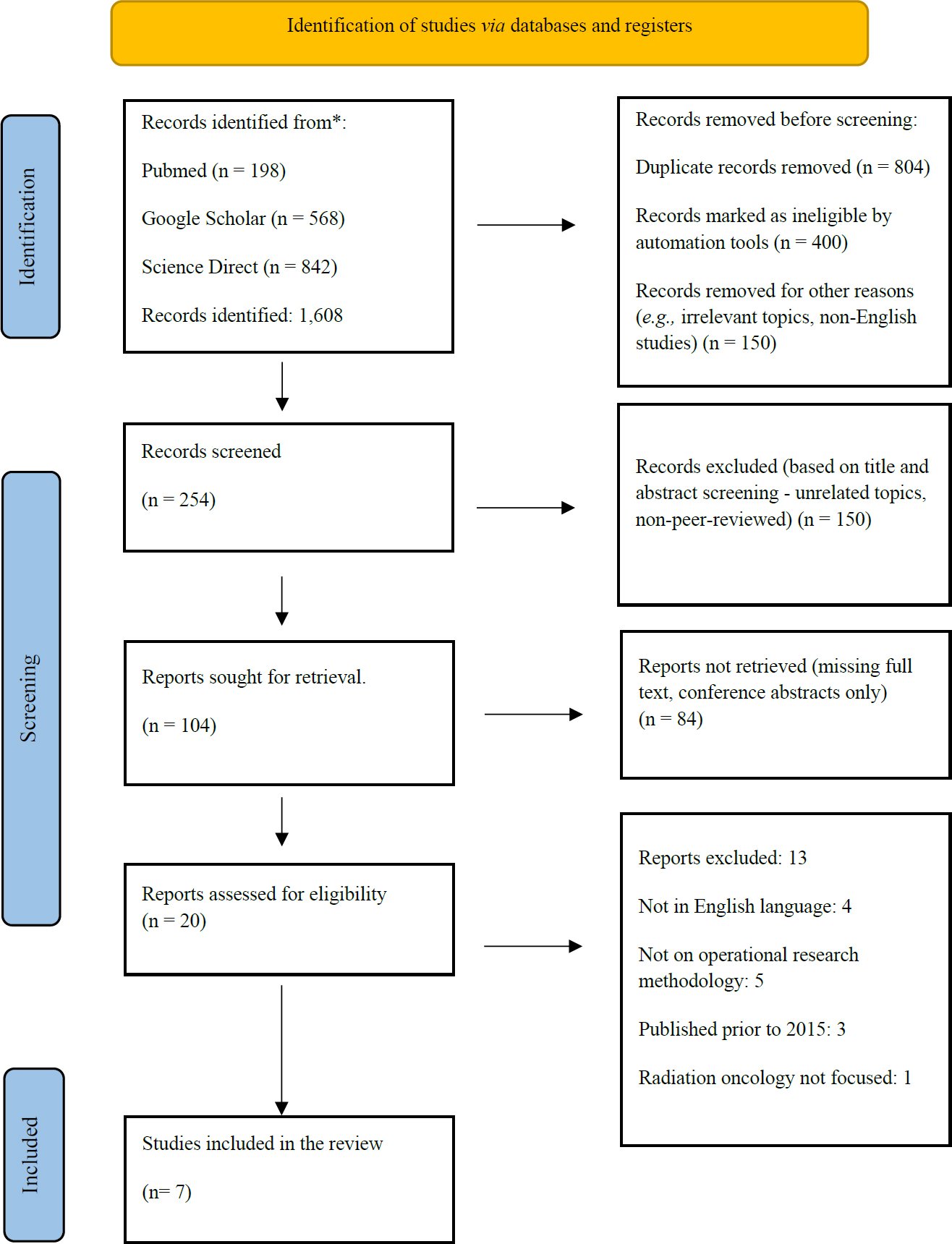
Fig. (1). PRISMA 2020 flow diagram depicting the identification, screening, eligibility assessment, and inclusion of studies in the systematic review the need to test optimisation models in variable clinical conditions was emphasised in these studies.
2.4. Data Extraction and Analysis
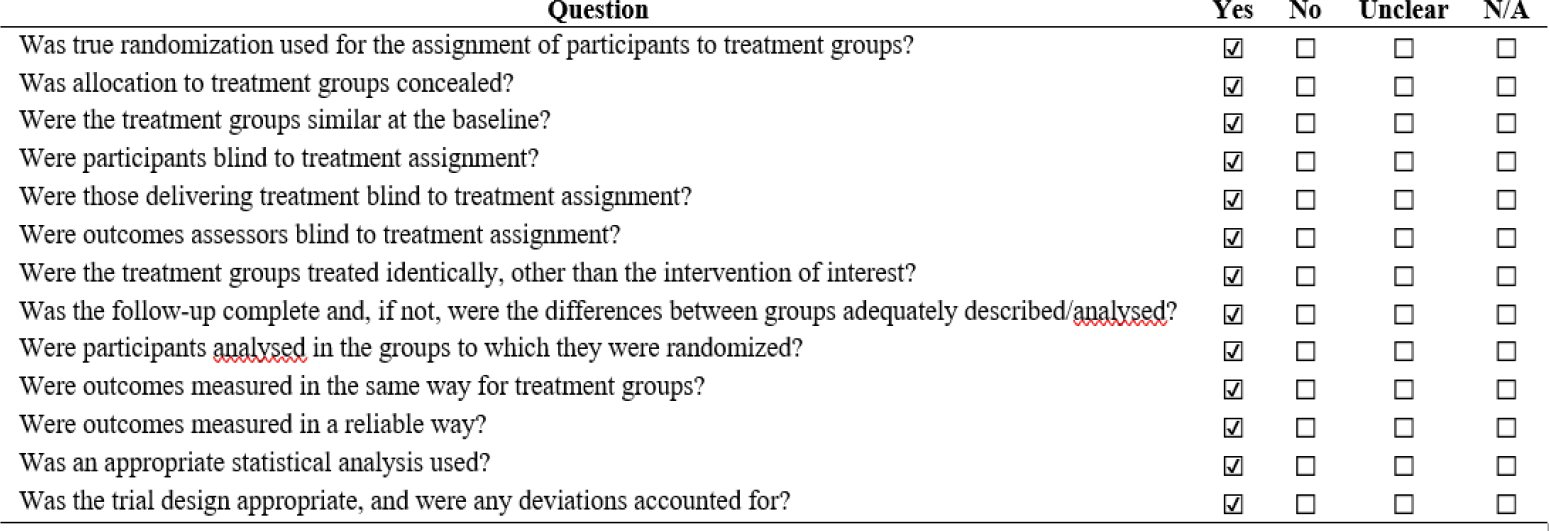
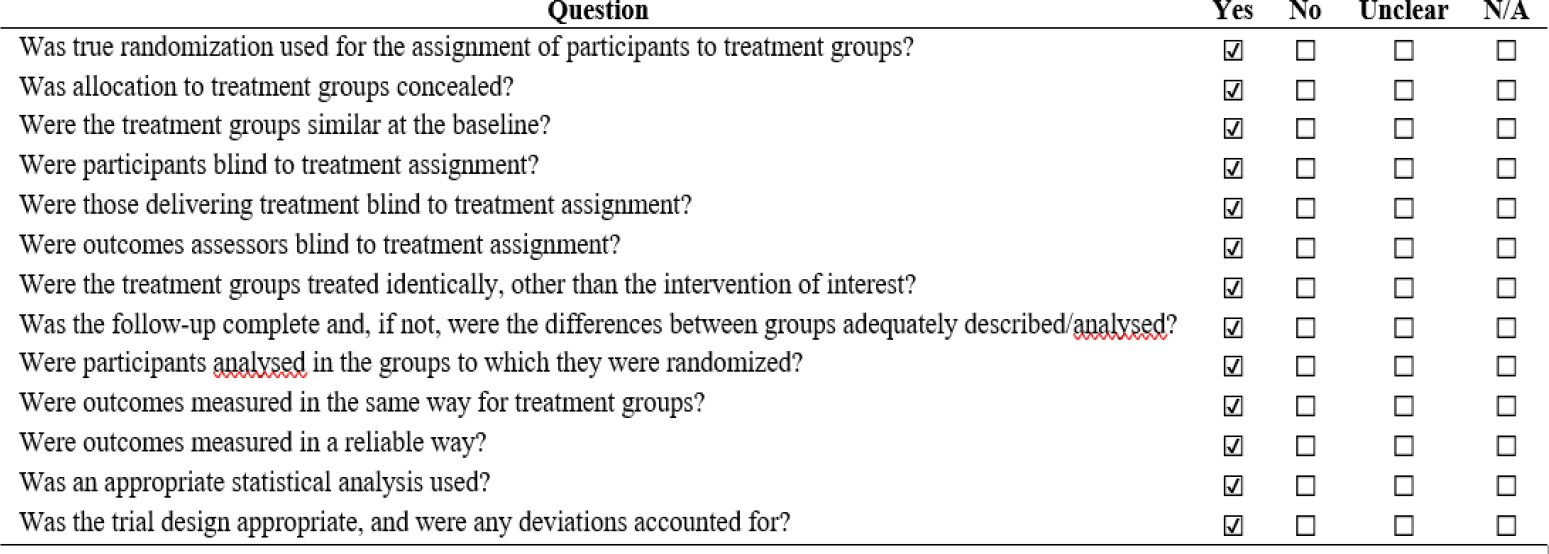
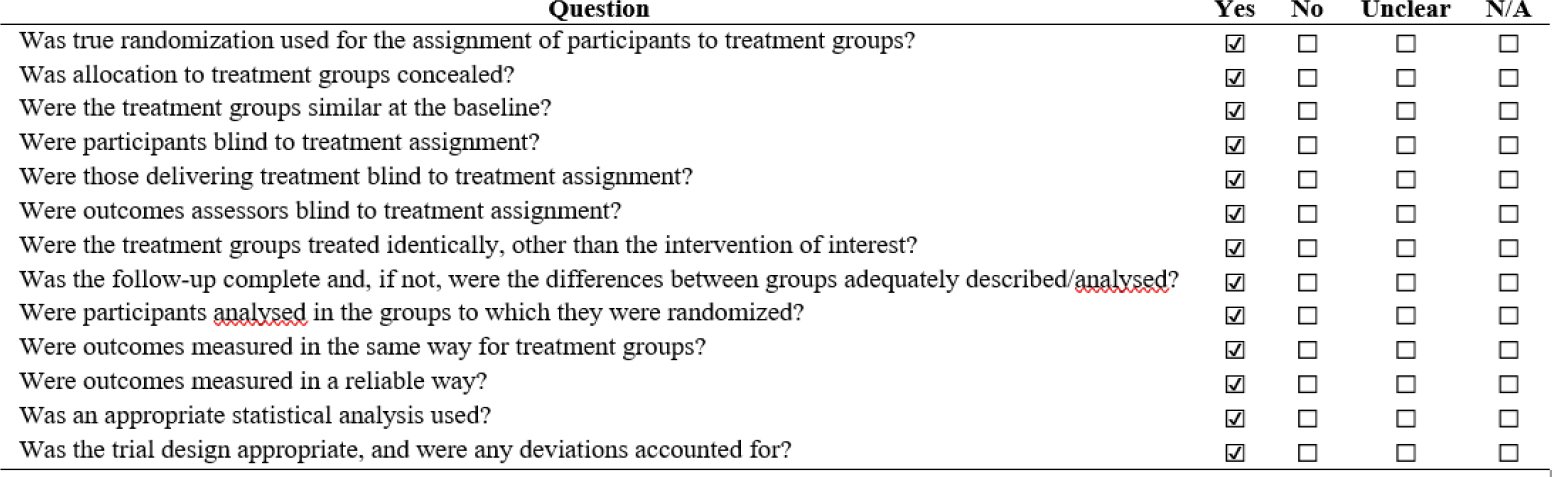
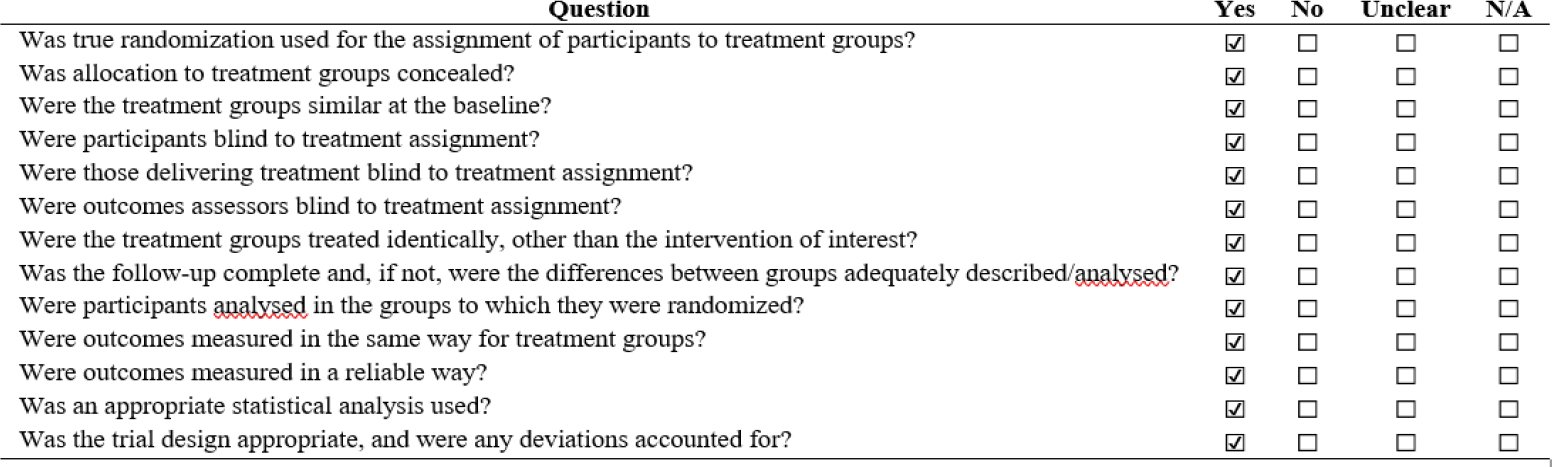
A pre-coded worksheet was then coded: author, year, analytical purpose, deployed OR framework, radiation-oncology use, and most important empirical outcome. The methodological integrity was assessed with the help of the Joanna Briggs Institute checklist that is specifically designed to be used in observational studies.
Two independent reviewers used a standardised extraction form to extract data. The variables that were extracted were the author, publication year, type of cancer, OR methodology, study objective, and key findings. The discrepancies were addressed by engaging in a discussion and arriving at a consensus. The quality of each contribution was then classified as high, moderate, or low-quality using criteria weighted in terms of explicitness, replicability, and specificity of the documented assumptions. As a result, narrative synthesis was conducted. The research was split into thematic areas.
Variations in sample size, tumour type, and patient level were dealt with by narrative stratification, summarising results by cancer site, dataset size, and methodological soundness of the study to ensure a fair evaluation.
The synthesis of recurrent patterns was made possible by this thematic structuring that concentrated on a methodical cross-domain synthesis. Moreover, the thematic areas included operational research involvement, comparative research methodology, and additional recognised constraints of the field of radiation oncology.
A total of 104 records were filtered out at the retrieval level based on the inaccessibility of full text, duplication in databases, or non-conformity to publication-type criteria, and 13 reports were filtered out post-full-text based on their lack of OR/AI methodology, lack of radiotherapy applications, or lack of extractable outcomes.
Articles were filtered out based on full text, were not in English, were multi-databases, and did not have radiation oncology as their focus, and articles that lacked an operational research approach.
2.5. Quality Assessment
The methodological quality was assessed independently by two reviewers using the Joanna Briggs Institute (JBI) critical appraisal checklist for observational studies and the ISPOR-SMDM modelling good research practices framework for modelling studies [8–10]. Research was divided into high, moderate, and low-quality studies on the grounds of transparency of methods, reproducibility, and quality of reporting [11–14]. Where there was an area of contention, consensus conference deliberation was used to find a solution (see the Appendices).
2.6. Ethical Consideration
As this study was based exclusively on previously published literature and did not involve human participants, animals, or identifiable patient data, formal ethical approval was not required
3. RESULTS
The review had seven articles published between 2015 and 2025 exploring the use of operational research (OR) and artificial intelligence (AI) in radiation oncology. Three papers were about optimisation and simulation methods to enhance radiotherapy workflow efficiency, and four papers were about AI-assisted clinical decision-support systems to improve adaptive radiotherapy and dose optimisation [11–13]. Together, these trials found an increase in scheduling efficiency, workflow management, treatment planning, and dose personalisation, but most studies were restricted by small sample sizes and single-centre designs [8–10].
3.1. Operational Efficiency and Resource Optimisation
This experiment measured the effect of the transformation of a mathematical operational research model in twin Dutch radiotherapy centers [11]. The centres achieved statistically significant schedule improvements post-implementation: average root-mean-square deviation of session initiation decreased by 51% (103.0 minutes to 50.4 minutes) in one site, and the difference in the number of gaps had been reduced by 72% (18 to 5) in the other site. In a similar line, the inefficiency of switching between linear accelerators, specifically identified as a workflow bottleneck, reduced to 71 and 43, respectively, in the original and alternative arrangement. Computations of productivity improved the distance between automated and manual modalities: The automated heuristic took 1-90 min to perform compared to the manual iteration, which was still ongoing and took 1.5 days.
Another work also focuses on computational efficiency: their experiments on five small-scale problems by systematic pruning of redundant constraints and targeted reformulation of objective functions also reported solution-time savings that were deemed to be substantial, and faster at generating feasible schedules [12]. Nevertheless, there are still no specific temporal measurements. The model was subsequently tested in a large-scale clinical setting where the model was found to be capable of assigning wards, equipment modalities and session frequencies in strict adherence to the operational and regulatory clinical constraints without going out of bounds.
One previous study has combined system dynamics constructs, together with Discrete-Event Simulation (DES), to study Computed Tomography (CT) operations to extract performance indicators that are sensitive to stochastic variation [13]. Simulations showed that inpatient sentinel examinations caused, on average, a 23% higher fraction of the full-use technologist occupancy than like outpatient studies, but outpatient non-contrast protocol used 63% less resource-minutes than the inpatient counterpart. Out-of-sample DES microsimulations of a dedicated outpatient service projected intensified operational loads on both radiography and assistant personnel, accompanied by reduced variability in ranges and lower median queue-holding periods than the in-sample DES. Thus, the quantitative balance lends empirical support to the deliberate separation of inpatient and outpatient referral paths. These findings identified workflow bottlenecks and demonstrated opportunities for operational improvement through the service redesign.
In concurrent redesign Randomised Controlled Trials (RCTs), the reductions correlated with a quasi-experimental protocol comprising iterative, cyclical recalibration of the executive predictive model, structured cognitive interaction with repercussive stakeholders, and provision of micro-redistributive adjustments to personnel allocator grids collectively, this intervention was associated with and accounted for the 51% reduction in the variance of completion-to-request lead times and the near-total eradication of linac-switching cascades [11]. Thus, a reduction in delays pre-emptively resolves temporal and spatial interactions across the iterative treatment-arrival network prior to any full-scale prototyping phase.
Complementarily, this study situated Soft Systems Methodology within a structured framework of stakeholder co-design that precedes discrete-event simulation trials of the emergent designs [13]. In the meantime, Emsamrit and Boonmee provide case studies where constraint-pruning heuristics are used on artificially small testing sets, thus preempting the need to engage in pragmatic validation milestones that are required before larger-scale clinical adoption. These studies indicate that the success of implementation is not just determined by the model performance but also stakeholder participation and integration into workflow.
3.2. AI-Driven Personalisation and Clinical Decision Support
In this paper, the paradigm of operational scheduling is applied to the area of personalised adaptive radiotherapy, where a comprehensive set of numeric measures are offered to evaluate the effectiveness of the model (8). Two potential trial datasets, initially containing 117 and 292 cases, were narrowed down to give final cohorts of 67 NSCLC patients (extracted neuroanatomical, dosimetric, and longitudinal features; 297 columns) and 71 HCC patients (extracted dosimetric contours, laboratory values, and outcome features; 110 columns), giving dense, labelled clinical inputs. The authors then created 10,000 virtual patients by synthesising clinical embeddings with a Generative Adversarial Network (GAN) to build a transfer-compatible augmented space for policy learning. The hybrid double graph neural network improved the prediction accuracy, reducing the RMSD from 0.97 to 0.61 Gy/fraction for NSCLC and from 4.75 to 2.96 Gy/fraction for HCC, respectively. Augmentative decision fidelity metrics indicate that the Adaptive Radiotherapy Clinical Decision Support Framework (ARCliDS) that uses double GNNs would classify 36% of NSCLC and 50% of HCC clinician-prescribed tactics as good when reproduced, and at the same time improve 74% of NSCLC and 30% of HCC decisions that had historically been considered poor. Taken together, these results show that the model had a significant level of agreement with the clinician-prescribed treatment decisions and enhanced the ratio of hitherto suboptimal decisions. Nevertheless, predictive performance was still not as high in Hepatocellular Carcinoma (HCC) compared to NSCLC, which means that further model refinement and validation are required [15].
Niraula et al. (2021) emphasised the nuanced hereditary and physiological influences that adjust the tolerance to ionising radiation and argued that the empirical dose schedules need adjustment throughout the radiotherapy process [8]. Their Quantum Deep Reinforcement Learning (qDRL) architecture allows the full leverage of quantum indeterminism by listing the uncertainty of each clinical choice in a figurative way and incorporating an extensive set of biological, physical and genomic data inputs. Basing its results on 67 patients with Non-Small Cell Lung Carcinoma (NSCLC) in the training set and testing the algorithm on an independent data set of 174 affected subjects, the ensemble reported a 10% improvement in clinically significant decision indices compared to those provided by trained clinicians over an equivalent observational reference time. The same group of 67 patients with NSCLC was then interrogated with a reinforcement learning compartment (DRL) to obtain a dose surface pre-empting and safely organising dose intensification [9]. The system showed the capability of predicting dose distribution and prescribing dose elevation strategies, the augmented intensity of which is safely within the modern constraints. The third quantitative elaboration by the study depicted the effectiveness of personalisation in the context of head-and-neck cancer, where the planning of the treatment by Volumetric Modulated Arc Radiotherapy (VMAT) is characterised by multifactorial geometrical and dose-volume constraints [14]. Their clinical decision support tool, which was trained using 276 institutional past plans, forecasted Organ-At-Risk (OAR) radiation dose; a combination of these forecasts with attending physician precepts resulted in hybrid dosimetry that reduced radiation exposure of non-target tissues and maintained target coverage goals.
A comparative study of blind and AI-assisted contouring assessed this interaction [8]. The results showed that the unassisted cohort was conservative, with an average of 0.1 Gy above the retrospective reference doses, but the AI-assisted group had a median of 0.59 Gy above the upper reference dose, indicating that the algorithm was pushing the cohort towards the clinically justifiable upper limit. Interestingly enough, this research study revealed the same median confidence rating of 6.9 on a 10-point scale of self-generated and AI-assisted recommendations, which suggests that doctors viewed the model as equally trustworthy and reliable. Sher et al. (2021) approached human–machine interplay by permitting clinicians to issue a draft recommendation, followed by an AI supplying an evidence-based dose estimate. The Henderson–Doctors Directive (HDD) took the conservative option, resulting in greater sparing of Organs At Risk (OAR) by 4.3–16 Gy compared with the standalone clinician recommendation and by 5.6–9.1 Gy beyond the AI output in isolation. This complementary architecture was extended in the study as the variability of uncertainty in the clinical context was modelled with the help of parameterised quantum states, allowing clinician-like variability to exist in the loop of reinforcement learning [9]. This approach enabled the model to better account for the uncertainty inherent in clinical decision-making.
The paper reported that the dose adjustments due to AI were about 10% higher than when they were changed by clinical instructions without the use of AI, where fidelity was assessed using Root Mean Square Error (RMSE) calibrated to historical judgement [8]. In a previous study [9], Click or tap here to enter text. dose variability was further narrowed, resulting in an AI prescription of 0.59 Gy (SD 0.78) greater than the unguided clinical prescription, and AI-generated treatment contours were off-target by 0.3 Gy (SD 1.2) from retrospective standards. The size of the physician-based deviation and the comparatively smaller deviation margin left to the AI provide circumstantial evidence of augmented operators to favour safe, graded dose escalation, which increases the therapeutic ratio. The highest dosimetric evidence was provided in a study, which stated that deep-learning plans attained 22 to 75% of Organ-At-Risk (OAR) dose limits even with an intervention of over 3 Gy, which pushed clinical plans to a net average of 4.3 to 16 Gy reduction in OAR dosimetric [14]. The decrement thresholds are in line with the clinical consensus, as decrements exceed 3 Gy have been defined to be in the category of producing an observable clinical response. Taken as a bloc, these dosimetric observations provide sound, clinically meaningful empirical evidence that AI-inefficient workflows create empirically observable and clinically useful improvement, and in this notice the areas that exist, which, as opposed to theoretical benefit, come down to measurable outcomes protocol, which are not only statistically and physiologically measurable.
Niraula et al. (2021) introduced qDRL, which considers the uncertainty of decisions by encoding them in quantum states, and exhibited training on both a Qiskit simulator and an IBM quantum computer [8]. This method has the theoretical and practical ability to apply large, high-dimensional metastatic data-scapes using quantum reinforcement learning. On the other hand, Niraula et al. [9] based their work on the elements that facilitate clinicians to adopt the technology and created ARCliDS based on microservices composed of a Python server and a reactive R Shiny visualisation. The resulting platform wraps any complexity of programming in a request-response paradigm and therefore makes the modelling predictions accessible to any oncologist with entry-level scripting experience. A more traditional supervised paradigm was used by Sher et al. (2021), who operationalised and prospectively assessed the framework within an individually approved care pathway by the IRB, obtained consent for their study, and continuously tracked intervention effects. The model ensured epidemiologic validity and physician oversight by incorporating GBT into live tumour boards [14]. Together, the qDRL complex learning handling, user-centred pipeline, which offers a coherent feedback channel, and the workflow integrated with the IRB make sure that learning systems move beyond curiosity and towards patient-safe, demonstrably relevant, scalable, and clinically relevant oncology environments.
3.3. Implementation Challenges and Future Translation
A pervasive quantitative limitation arises from the narrowly defined sample scope. The study enhancements were confirmed within single-week planning horizons across only two centres [11]. Another study validation examined five small test cases and real-world examples [12]. The study employed a discrete-event simulation restricted to the computed tomography load of a single hospital [13]. The study’s reinforcement learning agents obtained a training set of 10,000 synthetic patients, and the original clinical records were evidently insufficient for convergence [12]. Hence, although the observed percentage gains and reductions in the root-mean-square deviation appear promising, the external validity is curtailed by the combined constraints of minimal multi-centre observation and synthetic data augmentation. Improvements, both in magnitude and statistical significance, remain convincing within their respective environments, yet mandate multi-site, prospective clinical trials to verify their extension beyond the observed settings.
The evidence highlights that there is a 51% reduction in schedule standard reduction and almost complete removal of linac switch events; second, the brittleness of the model is assessed with discrete-event simulation, which works with workload redistribution, where inpatient-related staffing pressure increases by 23 percentage points; and third, patient-level AI-assisted dosing algorithms are trained, where the reliably decreased root-mean-square deviation in fractionated dose (0.97 to 0.61 Gy) satisfies clinical significance criteria.
Building trust and creating massive adoption remain some of the bottlenecks of health informatics. In an observational study, clinicians reported that the reliability of the AI-generated recommendations was rated as equal to the personal expert judgment system, but the systems made practitioners quietly persuade them to make the choices that best correspond to evidence-based best practice [10]. The importance of trust was supported in this study, as the providers regularly incorporated AI-generated prognostic probabilities into shared care pathways[14]. In order to embody that confidence, patterns of human-like decision uncertainty can be detected in a quantum inference architecture, an explicit attempt to demystify the margin of error of the machine. [9]. Several studies emphasised transparency and clinician trust as important factors influencing AI adoption in clinical practice.
Table 1 summarises the objectives, methods, interventions, and principal findings of the seven studies. Table 2 compares the operational or AI method, evidence base, validation approach, and clinical relevance of the included studies. The detailed numerical screening counts are presented in Table 3.
Table 1. Characteristics and key findings of studies included in the systematic review.
| Authors | Year | Aim of the Study | Methodology | Treatment / Intervention | Findings of the Study |
| Vieira et al. [11] | 2021 | To assess the impact and feasibility of implementing OR-based scheduling in clinical radiotherapy. | Iterative and adaptive refines OR mathematical models for scheduling radiotherapy. Testing one-week patient data sets. | OR-based radiotherapy automated scheduling system. | The findings highlighted a reduced start time variability by 51% and gaps by 72%, and eliminated linac switching (71-0,43-2). Moreover, automated scheduling takes 1.5 hours in comparison to 1.5 days (manual) |
| Emsamrit and Boonmee [12] | 2024 | Expediting accuracy and solution time in radiotherapy scheduling and incorporating realistic clinical constraints. | An enhanced mathematical model with constraint reduction was tested using one real-world application and five small-scale case validations. | An advanced optimisation model for scheduling radiotherapy. | The findings showed faster derivation of feasible schedules, validated allocation of session frequencies, technologies, and patients to rooms, and improved the computational efficiency. |
| Conlon and Molloy [13] | 2023 | To evaluate CT demand, resource utilisation, waiting lists, and test scenarios for reducing delays. | Mixed method by considering system dynamics for conceptualisation, soft system methodology, and discrete event simulation for testing the service scenarios. | Simulation modelling (separation of outpatient and inpatient) by CT service reconfiguration. | The findings highlighted that outpatients required 63% less time for non-contrast scans, while inpatients consumed 23% more staff time. This resulted in reduced delays and improved utilisation. |
| Nirula et al [8] | 2023 | To create an AI-driven framework for optimal adaptive radiotherapy decision-making. | The ARCliDS AI-based decision support system supervised Markov models ARTE included, and ODM reinforcement learning validated with datasets: NSCLC (HCC n=292, and n=177) and GAN-generated 10,000 synthetic patients. | ARCliDS tool using reinforcement learning. | There was an improvement in RMSD from 0.97 to 0.61 Gy/frac (NSCLC) to 4.75–2.96. It reproduced 36- 50% good decision-making and a 30- 74% improvement in poor decisions. |
| Niraula et al. [9] | 2021 | To improve mid-treatment radiotherapy dose adjustment by modelling the response of patients with quantum-inspired decision support. | The qDRL trained on 67 NSCLC patients was validated in 174 patients (external) using an IBM quantum computer and Qiskit simulator. | qDRL in adaptive radiotherapy. | Findings mentioned a 10% improvement in clinical decision-making outcomes compared with unaided practice. Moreover, the low RMSE in clinical decisions and AI. |
| Niraula et al. [10] | 2022 | Providing AI-assisted adaptive radiotherapy recommendations of dose and assessing physician’s trust in AI. | The ARCliDS software (R Shiny frontend and Python backend), combining ARTE and Deep Reinforcement Learning (DRL), was tested on 67 NSCLC patients with AI-assisted evaluation and physicians. | ARCliDS AI-assisted decision support in radiotherapy. | Dose decision averaged 0.59 Gy higher compared to unassisted. The physician’s confidence increased to 6.9/10. |
| Sher et al. [14] | 2021 | To evaluate the improvement in AI decision support, OAR sparing in VMAT planning for cancer (head and neck) | Prospective trial of an AI-based model for dose prediction trained on 276 VMAT head and neck plans. Moreover, it was applied to 50 patients with hybrid directives (AI + physician) | AI-based decision support for VMAT planning. | The findings highlighted reduced hybrid activities by >3 Gy in 22-75% of cases. A mean OAR dose reduction was achieved, which was 4.3- 16 Gy over the physician-only plan. |
Table 2. Cross-study comparison of operational research and artificial intelligence models, validation approaches, and clinical applicability in radiation oncology.
| Study | Method | Data | Validation | Clinical Relevance |
| Vieira et al. [11] | OR scheduling optimisation | One-week datasets from two centres | Clinical implementation | Reduced start-time variation, gaps, and linac switching |
| Emsamrit and Boonmee [12] | Mixed-integer linear programming | Five small cases and one real-world case | Case-based validation | Faster feasible scheduling under clinical constraints |
| Conlon and Molloy [13] | System dynamics and DES | CT service data | Scenario testing | Supported pathway redesign and capacity planning |
| Niraula et al. [8] | ARCliDS, reinforcement learning, and GNNs | NSCLC and HCC data plus 10,000 synthetic cases | Supervised and synthetic validation | Supported adaptive dosing; synthetic data limit generalisability |
| Niraula et al. [9] | Quantum deep reinforcement learning | 67 NSCLC training and 174 external cases | External validation | Modelled uncertainty in mid-treatment dose adjustment |
| Niraula et al. [10] | ARCliDS human-AI evaluation | 67 NSCLC cases | Physician evaluation | Assessed dose recommendations and clinician confidence |
| Sher et al. [14] | AI-assisted VMAT planning | 276 training plans and 50 prospective cases | Prospective physician-AI evaluation | Improved organ-at-risk sparing through hybrid planning |
Table 3. PRISMA screening counts and exclusions.
| Stage | Decision or Exclusion | n |
| Identification | PubMed 198; Google Scholar 568; ScienceDirect 842 | 1,608 |
| Removed before screening | 804 duplicates; 400 automation; 150 other reasons | 1,354 |
| Title/abstract screening | 254 screened; 150 excluded | 254 |
| Retrieval | 104 reports sought; 84 not retrieved | 104 |
| Full-text eligibility | 20 assessed; 13 excluded | 20 |
| Included | Studies retained in the systematic review | 7 |
4. DISCUSSION
The convergence of Operational Research (OR), Artificial Intelligence (AI), and Machine Learning (ML) in the radiation oncology field has been gaining momentum in the last five years. The analysed articles all reflect a shift from traditional rule-based radiotherapy processes to AI-supported and data-driven decision-support systems. Applications include optimisation and discrete-event simulation models, reinforcement learning and quantum-inspired AI frameworks. In the literature, these methods were related to the refinements in treatment planning, workflow, resource allocation, and decision-making in adaptive radiotherapy.
4.1. Interpretation and Comparison with Previous Studies
These results align with the results of Krishnamurthy et al. [27], who placed AI as a tool for decreasing manual labor and enhancing the utilisation of resources in the processes of radiotherapy. They also build on McCullum et al. [5], who discovered in their systematic review that most Markov models compare fixed treatment policies, and there is limited application of optimal sequential decision models. The current review introduces the evidence based on appointment scheduling, service redesign, adaptive dosing and treatment planning. Thus, OR makes contributions both at the system level and at the patient level, not differentiating between operational efficiency and clinical adaptation as two different issues.
The pattern of the results must be interpreted more cautiously as compared to broad technology-centred reviews. Duke and Papanikolaou [20] mentioned AI use in imaging, planning, quality assurance, delivery, and adaptive radiotherapy, but Hoebers et al. [30] noted that models that have an immediate impact on a patient were less developed compared to efficiency applications. The imbalance was similar in the seven studies included: scheduling and workflow models provided quantifiable operational improvements, whereas some clinical decision-support models used limited, single-centre, or even artificial datasets. The paramount concern is thus no longer technical feasibility, but the reproducibility, safety, and utility of the performance across institutions.
A juxtaposition of the analyses conducted by [11, 12] depicts conclusive effects of Operations Research (OR) models on the efficiency of radiotherapy scheduling. The results of Vieira’s implementation showed quantifiable benefits that prove that optimisation frameworks can be implemented in non-simulation settings. Emsamrit and Boonmee enhanced the computational efficiency by re-writing the optimisation constraints and testing the model on a number of test cases. Their results validate the computational tractability principle: the run-time and practicable optimality of allocations decreases are gradual to the clinical processes and applied interoperability of scheduling models.
However, article [13] pursued the implementation of Operations Research (OR) in resource provisioning by combining both system dynamics and Discrete-Event Simulation (DES) models to assess the Computed Tomography (CT) waiting lists and the utilisation of shared resources. Their empirical results show that inpatient examinations consume fewer total staff hours than outpatient examinations. By modelling stochastic demand and intrinsic variability, OR is more test-fidel, with respect to traditional deterministic optimisation, allowing decision-makers to evaluate and optimise alternative service structures along planning horizons. Their findings suggest that separating inpatient and outpatient CT services may improve resource utilisation and reduce waiting times. Used alongside contemporary scheduling optimisation studies, the integration of system dynamics and DES within the capacity planning context exemplifies the coherent treatment of OR techniques at micro (near-real-time scheduling of examinations) and macro (long-term placement of resources and staff capacity) analytic horizons within consolidated oncology services.
These innovations can only be diffused effectively as four parallel activities, namely: continuous statistical cross-validation, cross-disciplinary co-design of workflow contours, gradual cross-site trials that convert numerical advantage into long-term clinical leverage, and governance structures that maintain adaptive thresholds to reassess.
The Niraula et al. (2021–2023) investigation represents a paradigm shift to adaptive and personalised treatment planning. Their 2021 publication unveiled a quantum Deep Reinforcement Learning (qDRL) architecture engineered to encode dose-response relations from a triad of genotypic, clinical, and historical dosimetric variables. The model was designed to account for uncertainty in clinical decision-making by incorporating probabilistic representations of the patient and treatment variables. There was an increase in the accuracy of treatment recommendations in the cross-validation of Non-Small Cell Lung Carcinoma (NSCLC) cases in a cohort. This article presents a plan for integrating patient-specific heterogeneity in radiotherapy dosimetry processes systematically. Within [9], the authors presented ARCliDS, a commercially viable architecture that integrates predictive supervised learning (ARTE) with policy-optimising Deep Reinforcement Learning (DRL) in a continuous clinical human interface. Performance measures were not limited to accuracy, as they included quantitative measures of clinician interaction and trust. The observed clinician acceptance of AI-assisted recommendations suggests that trust and interpretability may be as important as predictive accuracy for successful implementation of AI-assisted recommendations. It is interesting to note that the perceived trust in AI outputs (6.9/10 Likert scale) was as high as the perceived trust in unaided clinical recommendations, which means that clinicians will be able to operate with convenience soon when interpretable systems with operational transparency are involved.
Conversely, study [10, 12] built upon reinforcement learning methods, which incorporated Graph Neural Networks (GNNs) to adapt radiotherapy to patients with NSCLC and HCC, and its overall importance is that it has shown that AI-based systems can aid personalised adaptation of treatment. These results indicate that reinforcement-based learning and graph-based AI might enhance the stability of dose suggestions and enable adaptive decision-making in RT. Nevertheless, there are significant concerns about the generalisability and clinical performance in practice when relying on synthetic training data, which makes it necessary to verify it with prospective data on various clinical datasets in the future [10].
Nevertheless, in a past study [14], complementary use of artificial intelligence was reported with Volumetric-Modulated Arc-Therapy (VMAT) for head and neck malignancy. Their directive aid instrument with institutional treatment plan informed it, which was prospectively scrutinised on patients. The interconnection between human and neural directives in a hybrid manner reduced the OAR median dose by more than 3 Gy in the trajectories and by 4.3 to 16 Gy in redistribution compared to human directives only. This simultaneous improvement of the volumes of contours confirms the idea that AI systems, when integrated into clinical practice, progressively and quantitatively improve dosimetric outcomes, thereby providing viable and clinically significant benefits to the population of patients [16–18].
The analysed literature presented a number of strengths, such as methods innovations, quantifiable changes in clinical or operational results, and greater AI integration in clinical processes [8, 9]. Nevertheless, critical flaws still exist, such as small single-centre cohorts, the use of synthetic datasets, a lack of prospective validation, and a lack of evidence in the context of long-term clinical implementation [10, 14].
4.2. Practical Implications for Radiation Oncology
The results favor a gradual implementation. Scheduling and simulation systems could initially run in shadow mode with the current rosters and future tracking of waiting time, variability in start time, machine switching, overtime, cancellations and treatment interruption. Adaptive treatment tools must have extra controls, such as clinician override, explicit uncertainty display, prospective audit, subgroup performance checks, data drift monitoring, and recorded responsibility for the final decision. Radiation oncologists, medical physicists, radiographers, operations researchers, data scientists and service managers should be included as implementation teams. These protections convert the numerical performance into responsible workflow modifications.
On the service level, OR models can be used to inform the division of the inpatient and outpatient routes, workforce, and the planning of the linear accelerator capacity. Nevertheless, local optimisation can move the workload to another group of staff or prioritise urgent and complex cases. As such, implementation must consider efficiency, access, safety, staff burden, patient experience, and clinical outcomes. When data and technical support are limited, the simpler and more transparent models can be used in resource-constrained centres. Only when such complex AI systems show added value compared to traditional optimisation, and can be sustained within the local governance arrangements, should these AI systems be adopted.
4.3. Innovation and Contribution
This review uses standard OR and AI-enabled models around real radiation oncology decisions, in contrast to earlier reviews, which focused on one model family or general AI functions. It maps seven studies in the domains of scheduling, service configuration, adaptive dosing, and treatment planning; compares their validation and clinical integration; and finds a common translation gap between model performance and sustained use. This decision-centred synthesis clarifies where evidence may support controlled implementation and where multi-centre prospective validation remains necessary. Its main contribution is an integrated account of operational and clinical decision-making, rather than a catalogue of algorithms.
LIMITATIONS AND FUTURE TRANSLATION
Although the examined literature collectively affirms the value of operational Even though the reviewed literature, on the whole, supports the importance of Operational Research (OR) and Artificial Intelligence (AI) in the process of decision-making refinement in the field of radiation oncology, there are a number of relevant limitations to the generalisability of the studies in question and, by extension, its future to find direct implementation in clinical practise. A sample size is another weakness, as it is rather limited, and the scope of data is not diverse enough [19, 20]. In ref. [8], successful results were found using reinforcement learning and ARCliDS architectures in cohorts consisting of only 67 patients with Non-Small-Cell Lung Cancer (NSCLC), but ref. [14] applied their prospective decision-support intervention to a sample of 50 patients. Narrow disease centres, monolithic care environments, and small study centres all intrinsically truncate wider extrapolations to diffuse, heterogeneous populations of patients [21]. Attempts to counter these limitations have been unsuccessful. In ref. [8], limited external validation was conducted in a group of 174 patients, but the external dataset was limited to only NSCLC. This equivocal external examination also eliminates inferences towards the classification of a range of malignancies usually encountered in clinical radiation oncology [22]. One partial methodological weakness that has persisted is the use of synthetic datasets to offset clinical sample size shortages [23, 24]. In a study, 10,000 artificial records generated by a generative adversarial architecture were used to guide reinforcement learning algorithms [10]. In the absence of satisfactory numerical performance, the rationalisation of predictive generalisability is conditional on the similarity between artificial patterns and the complex, high-dimensional variances of real clinical groups. The limitations include articles only in English, a small number of included studies, heterogeneity of methodologies, and the inability to perform meta-analysis. The lack of longitudinal, multi-institutional datasets increases the risk of overfitting and limits generalisability to diverse clinical populations [25]. The practicality and computational efficiency of the model is one of the parallel market mismatches that are yet to be tackled. This study [11] demonstrated that the outpatient scheduling performance was significantly improved, but it took longer and more repetitive re-specification of local procedural tenets in four clinical settings, indicating a volatile transfer between different organisational infrastructures. As noted in a previous study [12], the findings were related to marginal reductions in central processing overhead, and formalisation was limited to five simulated circuits plus one retrospective example, limiting the external validity in oncology settings in which the number of patients was in the hundreds and treatment journeys were complex and connected.
Therefore, the published advances are still tentative standards as opposed to strong and extensively generalisable algorithms [26].
Another major challenge was trust and subsequent adoption by stakeholders. Even though [9] recorded the average physician self-assurance in AI of 6.9/10, which is similar to self-assessment, only one radiation oncologist evaluated eight cases. Systematic multicentre questionnaires in different fields are justified to understand whether AI prescriptions will be considered authoritative and implemented in everyday practice in full. It was shown in a prior study [14] that a hybrid AI-physician planning modality outperformed either of the components, but longitudinal buy-in and scaled workflow embedding have not been reported. The external validity of AI depends on limited and artificial data, which implies that the advantages achieved may not be the entire package concerning general and real-world groups of patients [27–29].
Therefore, the current systematic review does not address any of the paths to formal approval or the necessities of the explainability of algorithmic outputs. In total, the available investigations find that improvements in throughput, tailored interventions and clinical outcomes are attained. Its use is, however, limited by its small cohort size, use of artificially generated data, lack of external validation, use of clinician belief and inefficient regulatory systems [30].
There are a number of limitations to this review. The studies included only those that were published in English, which could have led to a language bias. There were only a few eligible studies, as the application of OR and AI in radiation oncology centers is still young. There was significant heterogeneity in study design, methods, outcome measures and validation techniques that precluded quantitative meta-analysis and restricted direct comparisons across the studies [14]. Moreover, it is not possible to rule out publication bias because studies with positive results have a greater chance of being published compared to those with negative or inconclusive results.
CONCLUSION
This systematic review illustrates how the role of operational research and artificial intelligence in radiation oncology is increasingly taking shape, with its use in treatment planning, resource optimisation, scheduling, and adaptive decision-making. In the included studies, these methods were linked to better workflow efficiency, personalisation of treatments, and clinical decision support. Although the existing evidence base is still limited by the heterogeneity of methods and limited validation, the results indicate that OR and AI can have a significant impact on improving operational performance and patient-centred care in radiation oncology. Further clinical assessment and future validation will be of significance to facilitate their extended use. Traditional optimisation and simulation were used to optimise the timing and location of resources and service design, and AI-based models were used to assist in adaptive dosing and treatment planning. The best operational indicators were a smaller variation in the schedule, the presence of fewer gaps and reduced machine switching. It was less developed, as the clinical evidence suggested more consistent dose advice and better organ-at-risk sparing, but many of the assessments were tiny, single-centre, or relied on synthetic data.
These results suggest that the high stakes decisions should not be automated immediately and instead be implemented carefully under human supervision. Departments must be as complex as the data available, incorporate tools into established safety and governance frameworks, and assess whether local efficiency gains benefit access and patient outcomes without shifting the burden to other areas. The limited evidence base, heterogeneity of methods, the English-language limitation, the incompleteness of the retrieval and the lack of external validation limits the confidence and applicability of this review.
Preregistered multicentre prospective designs with transparent reporting of model assumptions, calibration, uncertainty, subgroup performance, workflow effects, and implementation cost should be used in future research. Waiting time, treatment interruption, resource utilisation, plan quality, toxicity, clinician workload, patient experience, equity, and long-term sustainability should be included as common outcome sets. The advanced AI should be tested against the simpler AI-based OR baselines and clinician overrides and failure modes should be recorded through comparative studies. This review offers the platform that can be used to assess the relevance of technical gains to safe and lasting radiation oncology as it unifies both operational and clinical decision-making contexts.
LIST OF ABBREVIATIONS
AI | = | Artificial Intelligence |
ARCliDS | = | Adaptive Radiotherapy Clinical Decision Support |
ARTE | = | Artificial Radiotherapy Environment |
CT | = | Computed Tomography |
DES | = | Discrete-Event Simulation |
DRL | = | Deep Reinforcement Learning |
GAN | = | Generative Adversarial Network |
GNN | = | Graph Neural Network |
HCC | = | Hepatocellular Carcinoma |
HDD | = | Henderson-Doctors Directive |
IGRT | = | Image-Guided Radiotherapy |
IMRT | = | Intensity-Modulated Radiotherapy |
IRB | = | Institutional Review Board |
ISPOR | = | International Society for Pharmacoeconomics and Outcomes Research |
JBI | = | Joanna Briggs Institute |
Linac | = | Linear Accelerator |
MeSH | = | Medical Subject Headings |
ML | = | Machine Learning |
NSCLC | = | Non-Small Cell Lung Cancer |
OAR | = | Organ At Risk |
ODM | = | Optimal Decision Maker |
OR | = | Operational Research |
PRISMA | = | Preferred Reporting Items for Systematic Reviews and Meta-Analyses |
qDRL | = | quantum Deep Reinforcement Learning |
RCT | = | Randomised Controlled Trial |
RMSE | = | Root Mean Square Error |
RMSD | = | Root Mean Square Deviation |
SBRT | = | Stereotactic Body Radiotherapy |
SLR | = | Systematic Literature Review |
SMDM | = | Society for Medical Decision Making |
VMAT | = | Volumetric-Modulated Arc Therapy |
AUTHOR’S CONTRIBUTION
S.M. was involved in the study’s conceptualisation, methodological design, data analysis, interpretation of findings, and preparation of the manuscript.
REPORTING GUIDELINES
PRISMA guideline has been followed.
AVAILABILITY OF DATA AND MATERIALS
The datasets generated and/or analysed during this study are included in the published article and its appendices.
FUNDING
None.
CONFLICT OF INTEREST
The author declares no conflicts of interest.
ACKNOWLEDGEMENTS
Declare none.
DECLARATION OF AI
No AI was used during the preparation of this manuscript. The author accepts full responsibility for this final manuscript.
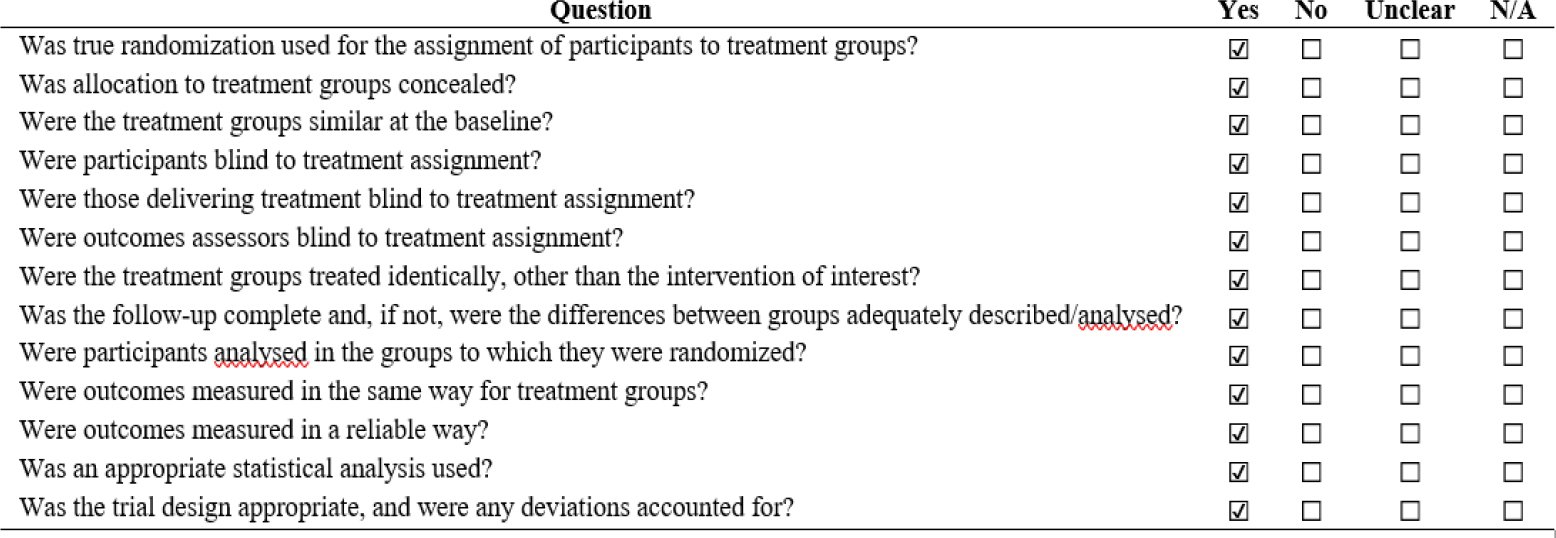
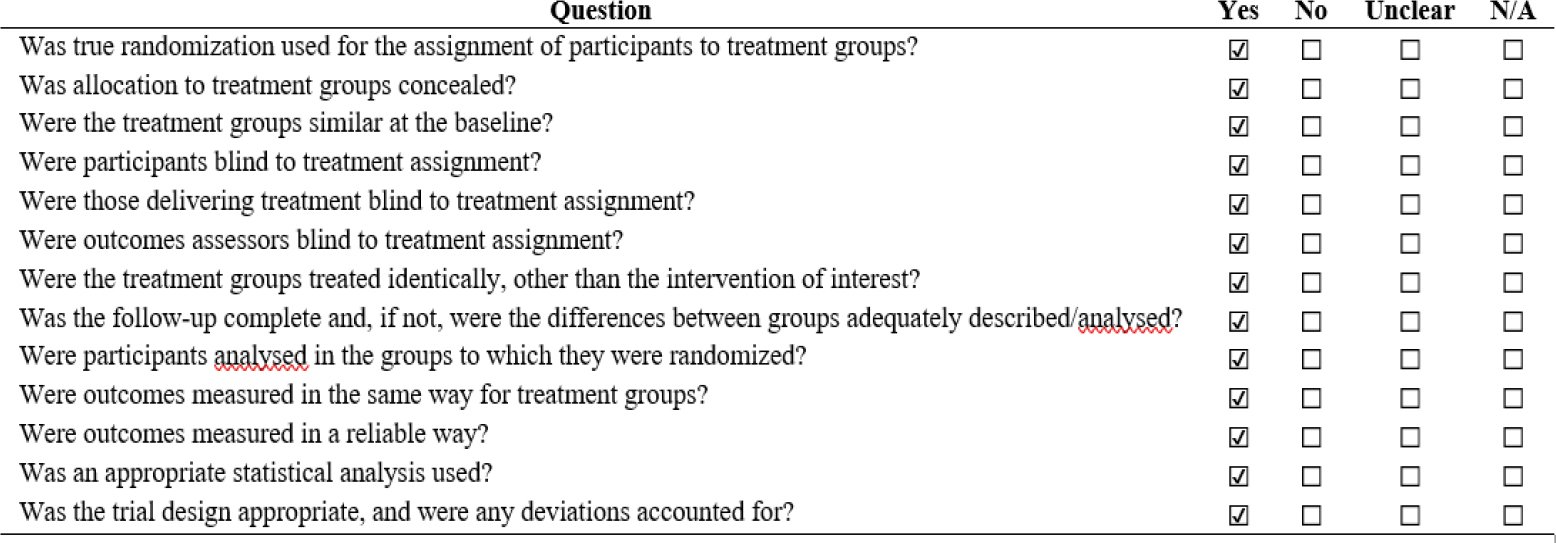
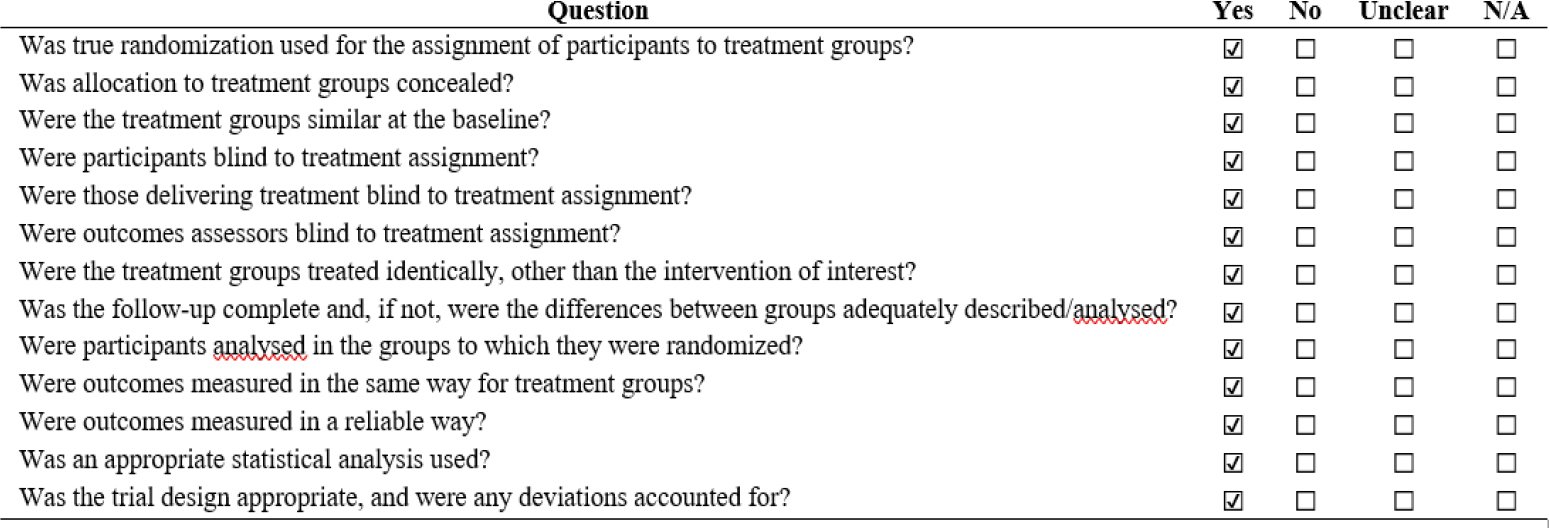
Appendix B: Databases Check

Fig. (B1). Google scholar database.
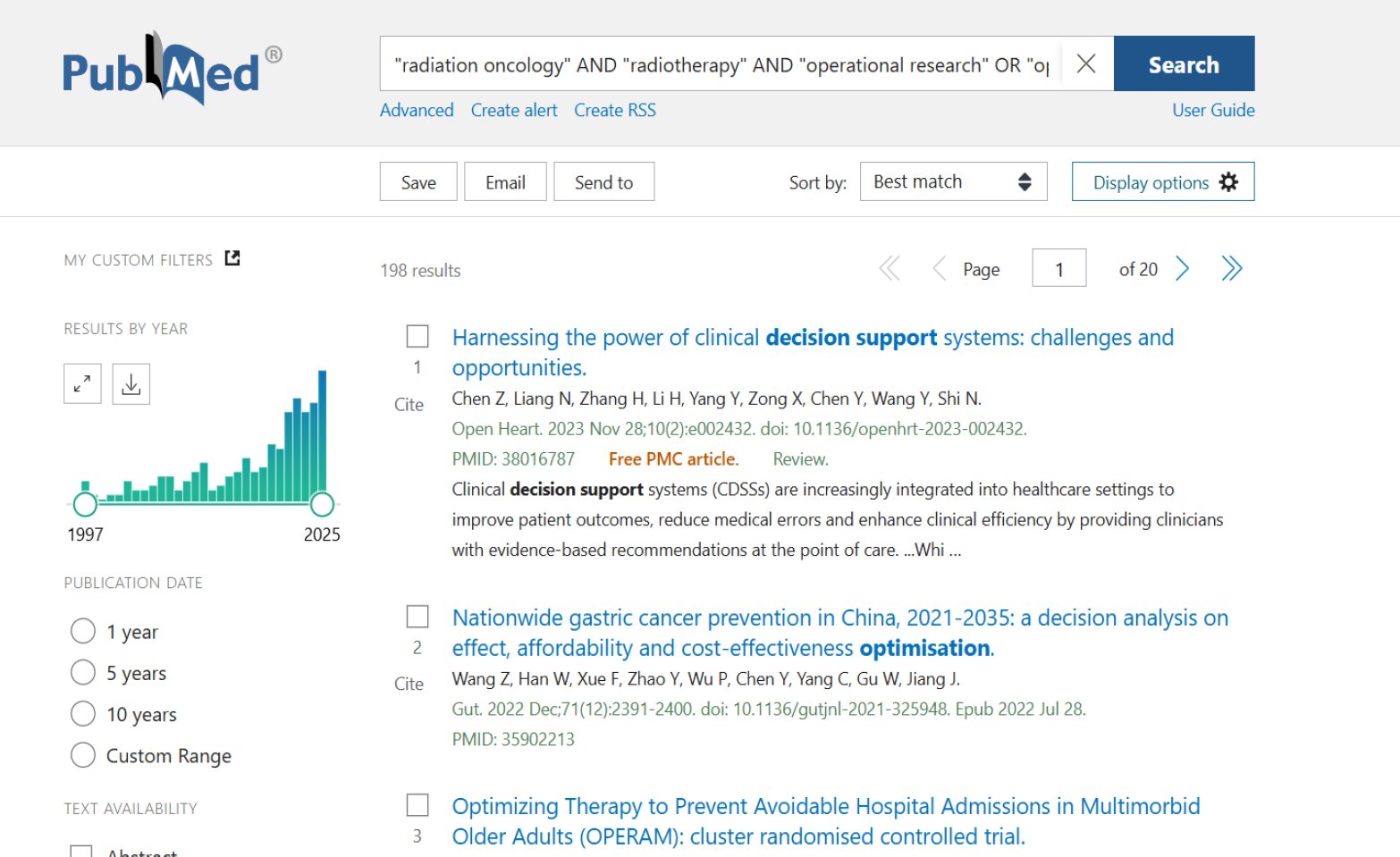
Fig. (B2). PubMed database.
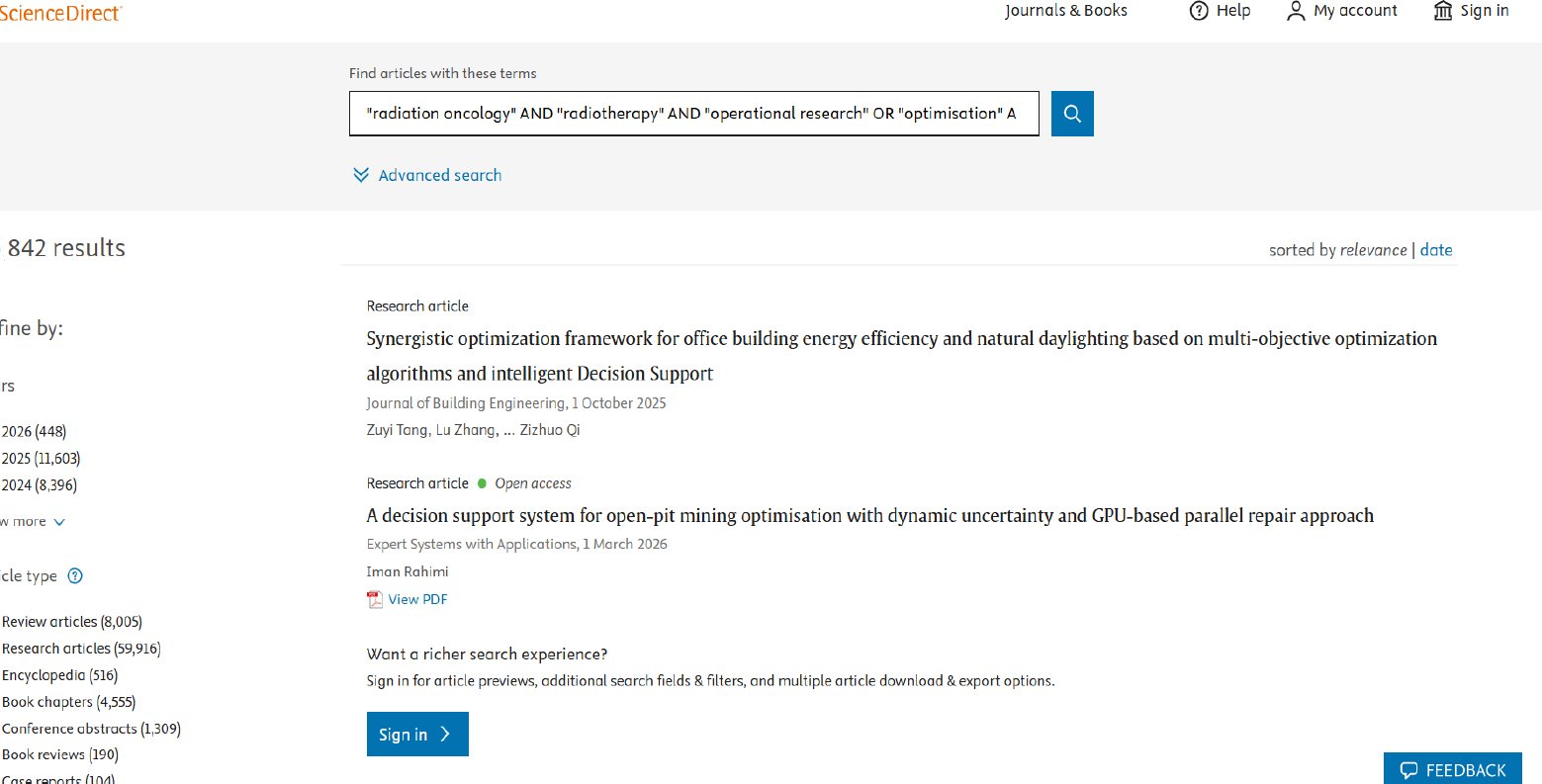
Fig. (B3). Science direct database.
REFERENCES
[1] Zhou G. Mechanisms underlying FLASH radiotherapy, a novel way to enlarge the differential responses to ionising radiation between normal and tumor tissues. Radiat Med Prot. 2020; 1:35–40.
https://doi.org/10.1016/J.RADMP.2020.02.002
[2] Russo L, Charles-Davies D, Bottazzi S, Sala E, Boldrini L. Radiomics for clinical decision support in radiation oncology. Clin Oncol (R Coll Radiol). 2024;36: e269–81.
https://doi.org/10.1016/J.CLON.2024.03.003
[3] Williams A, Cai Y. Insights into weighted sum sampling approaches for multi-criteria decision-making problems. WSEAS Trans Math. 2024; 24:327–46.
https://doi.org/10.37394/23206.2025.24.32
[4] van Wijk Y, Ramaekers B, Vanneste BGL, Halilaj I, Oberije C, Chatterjee A, et al. Modelling-Based Decision Support System for Radical Prostatectomy Versus External Beam Radiotherapy for Prostate Cancer Incorporating an In Silico Clinical Trial and a Cost-Utility Study. Cancers (Basel). 2021;13.
https://doi.org/10.3390/CANCERS13112687
[5] McCullum LB, Karagoz A, Dede C, Garcia R, Nosrat F, Hemmati M, et al. Markov models for clinical decision-making in radiation oncology: A systematic review. J Med Imaging Radiat Oncol. 2024; 68:610–23.
https://doi.org/10.1111/1754-9485.13656
[6] Al-Bander B, Fadil YA, Mahdi H. Multi-Criteria Decision Support System for Lung Cancer Prediction. IOP Conf Ser Mater Sci Eng. 2021; 1076:012036.
https://doi.org/10.1088/1757-899X/1076/1/012036
[7] Voigtlaender S, Nelson TA, Karschnia P, Vaios EJ, Kim MM, Lohmann P, et al. The value of artificial intelligence in neuro-oncology. Lancet Digit Health. 2025.
https://doi.org/10.1016/J.LANDIG.2025.100876
[8] Niraula D, Sun W, Jin J, Dinov ID, Cuneo K, Jamaluddin J, et al. A clinical decision support system for AI-assisted decision-making in response-adaptive radiotherapy (ARCliDS). Sci Rep. 2023;13.
https://doi.org/10.1038/S41598-023-32032-6
[9] Niraula D, Jamaluddin J, Matuszak MM, Haken RKT, Naqa I El. Quantum deep reinforcement learning for clinical decision support in oncology: application to adaptive radiotherapy. Sci Rep. 2021;11.
https://doi.org/10.1038/S41598-021-02910-Y
[10] Niraula D, Sun W, Jin J, Dinov ID, Cuneo KC, Jamaluddin J, et al. Decision Support Software for AI-Assisted Decision-Making in Response-Adaptive Radiotherapy: An Evaluation Study. Int J Radiat Oncol Biol Phys. 2022;114: e101–2.
https://doi.org/10.1016/J.IJROBP.2022.07.895
[11] Vieira B, Demirtas D, van de Kamer JB, Hans EW, Jongste W, van Harten W. Radiotherapy treatment scheduling: Implementing operations research into clinical practice. PLoS One. 2021;16: e0247428.
https://doi.org/10.1371/JOURNAL.PONE.0247428
[12] Emsamrit N, Boonmee C. Mixed-Integer Linear programming for scheduling of radiotherapy patients. Eng Appl Sci Res. 2024; 51:106–16.
https://doi.org/10.14456/EASR.2024.12
[13] Conlon M, Molloy O. Modelling a Computed Tomography service using mixed Operational Research methods. J Simul. 2023; 17:544–56.
https://doi.org/10.1080/17477778.2022.2152394
[14] Sher DJ, Godley A, Park Y, Carpenter C, Nash M, Hesami H, et al. Prospective study of artificial intelligence-based decision support to improve the quality of head and neck radiotherapy plans. Clin Transl Radiat Oncol. 2021; 29:65–70.
https://doi.org/10.1016/J.CTRO.2021.05.006
[15] You XM, Lu FC, Li FR, Zhao FJ, Huo RR. Dynamics trajectory of patient-reported quality of life and its associated risk factors among hepatocellular carcinoma patients receiving immune checkpoint inhibitors: a prospective cohort study. Front Immunol. 2024; 15:1463655.
https://doi.org/10.3389/FIMMU.2024.1463655
[16] Saha GB. Application of Artificial Intelligence in Nuclear Medicine. In: Physics and Radiobiology of Nuclear Medicine. Springer US; 2025. p. 277–90.
https://doi.org/10.1007/978-1-0716-4816-2_15
[17] Huang Y, Gomaa A, Höfler D, Schubert P, Gaipl U, Frey B, et al. Principles of artificial intelligence in radiooncology. Strahlenther Onkol. 2025; 201:210–35.
https://doi.org/10.1007/S00066-024-02272-0
[18] Cheng CH, Shi SS. Artificial intelligence in cancer: applications, challenges, and future perspectives. Mol Cancer. 2025; 24:274.
https://doi.org/10.1186/S12943-025-02450-3
[19] Apellaniz PA, Galende BA, Jimenez A, Parras J, Zazo S. Advancing Cancer Research with Synthetic Data Generation in Low-Data Scenarios. IEEE J Biomed Health Inform. 2025.
https://doi.org/10.1109/JBHI.2025.3595371
[20] Duke K, Papanikolaou N. Artificial intelligence in radiation therapy: from imaging to delivery: A comprehensive review. BJR Artif Intell. 2025;2.
https://doi.org/10.1093/BJRAI/UBAF012
[21] Miteva MD, Nisheva-Pavlova M. Artificial Intelligence in Radiogenomics: Innovations for Supporting Diagnosis, Treatment Decisions, and Prognostication in Oncology. 2025. Available from: https://www.fmi.uni-sofia.bg/sites/default/files/dissertation_work_of_phd/phd_thesis_mariya_miteva.pdf
[22] Akiya I, Ishihara T, Yamamoto K. Comparison of Synthetic Data Generation Techniques for Control Group Survival Data in Oncology Clinical Trials: Simulation Study. JMIR Med Inform. 2024;12: e55118.
https://doi.org/10.2196/55118
[23] Rigneault H, Kumar NG, Cossart R, Septier D, Brévalle-Waslilewki G, Kudlinski A, et al. Adaptive strategies based on artificial intelligence for radiotherapy of head-and-neck cancer treatment. Focus on Microscopy. Université Claude Bernard – Lyon I; 2023.
https://doi.org/10.34894/VQ1DJA
[24] Sun S, Gong X, Cheng S, Cao R, He S, Liang Y, et al. Fully Automated Online Adaptive Radiation Therapy Decision-Making for Cervical Cancer Using Artificial Intelligence. Int J Radiat Oncol Biol Phys. 2025; 122:1012–21.
https://doi.org/10.1016/J.IJROBP.2025.04.012
[25] Kazmierski M, Welch M, Kim S, McIntosh C, Rey-McIntyre K, Huang SH, et al. Multi-institutional Prognostic Modeling in Head and Neck Cancer: Evaluating Impact and Generalizability of Deep Learning and Radiomics. Cancer Res Commun. 2023; 3:1140–51.
https://doi.org/10.1158/2767-9764.CRC-22-0152
[26] Johnson M, Albizri A, Simsek S. Artificial intelligence in healthcare operations to enhance treatment outcomes: a framework to predict lung cancer prognosis. Ann Oper Res. 2020; 308:275–305.
https://doi.org/10.1007/S10479-020-03872-6
[27] Krishnamurthy R, Mummudi N, Goda JS, Chopra S, Heijmen B, Swamidas J. Using Artificial Intelligence for Optimization of the Processes and Resource Utilization in Radiotherapy. JCO Glob Oncol. 2022.
https://doi.org/10.1200/GO.21.00393
[28] Rao KN, Fernandez-Alvarez V, Guntinas-Lichius O, Sreeram MP, de Bree R, Kowalski LP, et al. The Limitations of Artificial Intelligence in Head and Neck Oncology. Adv Ther. 2025; 42:2559–68.
https://doi.org/10.1007/S12325-025-03198-4
[29] Barki C, Alsufyani SJ, Softah A, Labidi S, Rahmouni HB. Advancing radiation therapy safety in cancer-care: Leveraging AI for adverse reaction prediction. J Radiat Res Appl Sci. 2024; 17:101141.
https://doi.org/10.1016/J.JRRAS.2024.101141
[30] Hoebers FJP, Wee L, Likitlersuang J, Mak RH, Bitterman DS, Huang Y, et al. Artificial intelligence research in radiation oncology: a practical guide for the clinician on concepts and methods. BJR Open. 2023;6.
https://doi.org/10.1093/BJRO/TZAE039
Licensed
© 2026 Copyright by the Authors.
Licensed as an open access article using a CC BY 4.0 license.
Article Contents Author Nasir Uddin Khan1, * 1Department of Emaan Institute of Management Sciences, Karachi, Pakistan Article History: Received: 16
Article Contents Authors Putri Syabillah1 , Dian Pratiwi1, * , Anung Barlianto Ariwibowo1 1Department of Informatics Engineering, Universitas Trisakti, Jakarta,
Article Contents Author Srigopal Mohanty1, * 1Siksha O Anusandhan University, Bhubaneswar, India Article History: Received: 01 July, 2026 Accepted: 03
Article Contents Author Arslan Sheikh1, * 1COMSATS University Islamabad, Islamabad Campus, Islamabad, Pakistan Article History: Received: 22 February, 2026 Accepted:
Article Contents Author Wahaj Anees1, * 1Department of Forensic Sciences, Institute of Basic Medical Sciences- Khyber Medical University, Peshawar, Pakistan
Article Contents Author Danish Rahman1, * Matias Garcia-Constantino1 1School of Computing, Ulster University, Belfast Campus, BT151AP, United Kingdom Article History: