


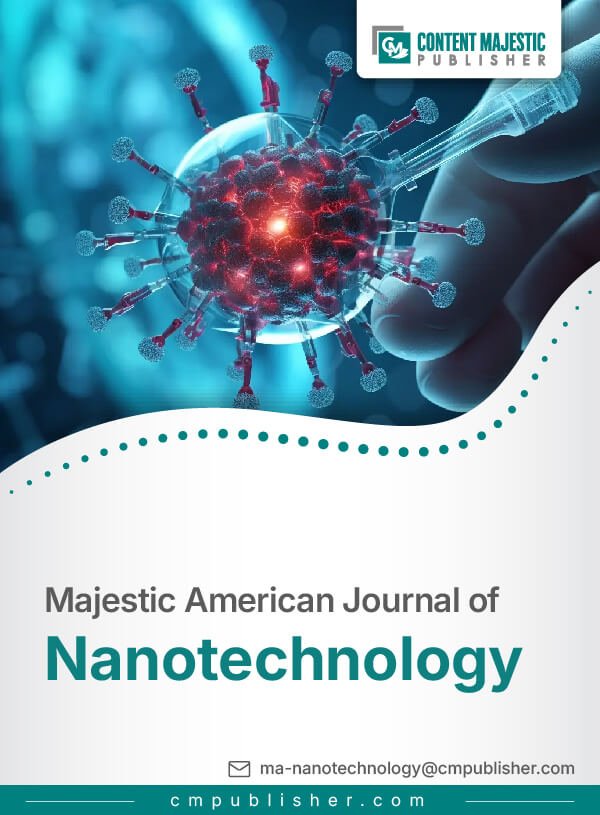


Theme: Antimicrobial Nanoparticles: Synthesis, Mechanisms, and Translational Applications Against Drug-Resistant Bacterial Pathogens
📅 Deadline: January 31, 2027
📚 Journal URL: Majestic American Journal of Nanotechnology
Thematic Issue Guest Editor

Dr. Abayneh Girma
Department of Biology, Mekdela Amba University, Ethiopia


Dr. Abayneh Girma is a microbiologist at the Department of Biology, Mekdela Amba University, Ethiopia. His research focuses on clinical microbiology, antimicrobial resistance, nanobiotechnology, and environmental health. He has published over 50 SSCI/SCI articles in different international journals. He also serves as an anonymous editor and reviewer for several SCI/SSCI journals.
Scope and Rationale of the Theme
Background and motivation of the theme
A growing global crisis of antimicrobial resistance (AMR) has been recognized by the World Health Organization as one of the 10 greatest public health threats to humanity. With over 1.27 million deaths directly attributable to bacterial AMR in 2019 alone, the urgent need for novel antimicrobial strategies has never been more critical. Today, bacterial pathogens are becoming resistant to multiple drugs and are a threat to the survival of modern medicine, such as methicillin-resistant Staphylococcus aureus (MRSA), vancomycin-resistant Enterococci (VRE), carbapenem-resistant Enterobacteriaceae (CRE), and multidrug-resistant Pseudomonas aeruginosa and Acinetobacter baumannii.
Nanoparticles (NPs) have been shown as a promising front in the battle against drug-resistant bacterial pathogens. These specific physicochemical properties such as high surface area to volume, tunable surface chemistry, and multiple simultaneous mechanisms of action provide novel ways to overcome traditional mechanisms of resistance. Metallic nanoparticles (silver, gold, copper, zinc oxide), polymeric nanoparticles, lipid based nanocarriers and carbon-based nanomaterials (graphene oxide, carbon nanotubes) are known to possess high broad spectrum antibacterial activity against MDR and extensively drug resistant (XDR) bacterial strains. The purpose of this special issue is to gather cutting-edge research on design, characterization, and translational application of antimicrobial nanoparticles specifically designed for the fight against drug-resistant bacteria.
Relevance to current research or societal needs
The problem of bacterial infectious diseases is compounded worldwide with a decrease in the effectiveness of traditional antibiotics. Pharmaceutical pipeline for development of new antibiotics is still inadequate, with very few new classes of antibiotics being introduced in the last decades. Nanoparticles offer a paradigm shift by providing:
- Multi-targeted antibacterial activity, minimising the risk of the development of resistance.
- Superior penetration and elimination of biofilm, a major source of chronic and device-associated infections.
- Synergistic combination with existing antibiotics, bringing back their effectiveness against resistant strains.
- Drug delivery to infection sites with reduced systemic toxicity and better therapeutic effects.
- Cost-effective green synthesis routes using plant extracts and microorganisms, aligning with sustainable development goals.
- Immunomodulatory effects which increase host defense mechanisms against bacterial pathogens.
With the recent developments of nano-formulation, surface functionalization, and stimuli-responsive release systems, the development of nanoparticle-based antibacterials has moved to a more rapid pace to clinical translation. But problems of toxicity, biocompatibility, pharmacokinetics, bacterial resistance to nanoparticles, and regulatory approval exist. This thematic issue provides a timely platform to address these challenges and chart a path forward.
Key subject areas to be covered
- Green Synthesis and Biogenic Production of antibacterial nanoparticles using plant extracts, fungi, bacteria and algae.
- Metallic and Metal Oxide Nanoparticles (Ag, Au, Cu, ZnO, TiO₂, Fe₃O₄) – synthesis, characterization and efficacy against drug resistant bacterial pathogens (MRSA, VRE, CRE, MDR Pseudomonas, Acinetobacter)
- Nanoparticles for Delivery of Antibacterial Drugs and Controlled Release for Resistant Strains (Polymeric and Lipid Based)
- Antibacterial agents: Carbon Based Nanomaterials (graphene oxide, carbon nanotubes, carbon quantum dots)
- Mechanisms of Antibacterial Action: Oxidative stress, membrane disruption, release of metals, damage to proteins/DNA, efflux pump inhibition, quorum sensing interference.
- Nanoparticle-Biofilm Interactions – prevention, penetration and disruption of bacterial biofilms
- Synergistic Antibacterial Combinations – nanoparticles mixed with conventional antibiotics, antimicrobial peptides and phytochemicals.
- In Vitro and In Vivo Toxicity Assessments – biocompatibility, immunotoxicity and long-term safety
- Biodistribution and clearance of nano-antibacterials, as well as their design in clinical trials
- Bacterial Resistance to Nanoparticles – understanding and mitigating the emergence of nano-resistance
- The quality control and safety evaluation procedures, as well as the approval routes, for nano-antimicrobials are subject to regulation and standardization.
- Computational and Machine Learning Approaches for predicting antibacterial activity and optimization of the design of nanoparticles
- Wound Healing and Topical Applications of antibacterial nanoparticles
- Nanoparticle-Based Diagnostics for quick detection of drug-resistant bacterial pathogens
Expected contribution to the field
This special issue aims to bring together several aspects of the topic of antimicrobial nanoparticles under one roof and give a comprehensive overview of the current status and prospects of the use of antimicrobial nanoparticles against drug resistant bacterial pathogens from a multidisciplinary perspective. It will be a key resource for:
- Nanomaterials Scientists looking to create more potent and specific next-generation antibacterial agents against resistant strains.
- Microbiologists, Infectious Disease Specialists who are interested in new therapeutic approaches to MDR bacterial pathogens.
- Pharmaceutical Researchers interested in nano-formulation approaches for developing antibacterial drugs.
- Regulatory Scientists and Policymakers in need of evidence-based guidance on safety and approval of nano-antibacterials.
- Clinicians and Public Health Experts that need translation insights into drug resistance management.
- Researchers in Low-Resource Settings studying low cost green synthesis methods for local use.
By bringing together original research, critical reviews, and translational perspectives, this collection will:
- Compile mechanistic information on interactions of nanoparticles with bacteria.
- Understand factors that affect the activity and selectivity of antibacterial agents against resistant bacteria.
- Identify potentially promising nano-formulations for clinical development.
- Fill in knowledge gaps on toxicity, resistance evolution and environmental impact.
- Promote interdisciplinary cooperation within nanoscience, microbiology, medicine and public health.
- Make regulatory harmonization recommendations based on evidence.
Expected Article Types
Indicate which manuscript types will be included, for example:
- Original Research Articles
- Review Articles
- Short Communications
Also specify the approximate target size:
- Full Special Issue: 8–10 articles
Tentative Timeline
Important Dates
- Full Paper Submission Deadline: 30-01-2027
- Expected Final Publication: 31-03-2027
Contact Information
For editorial or any inquiries regarding this special issue, please contact:
Ms. Erica Solene
Editorial Manager
Majestic American Journal of Nanotechnology (MAJN)
Email: ericasolene@cmpublisher.com, ma-nanotechnology@cmpublisher.com