

Green Aspects of Human Lockdowns: Environmental Responses, Ecological Recovery, and Lessons for Sustainability
📅 Deadline: September 30, 2027
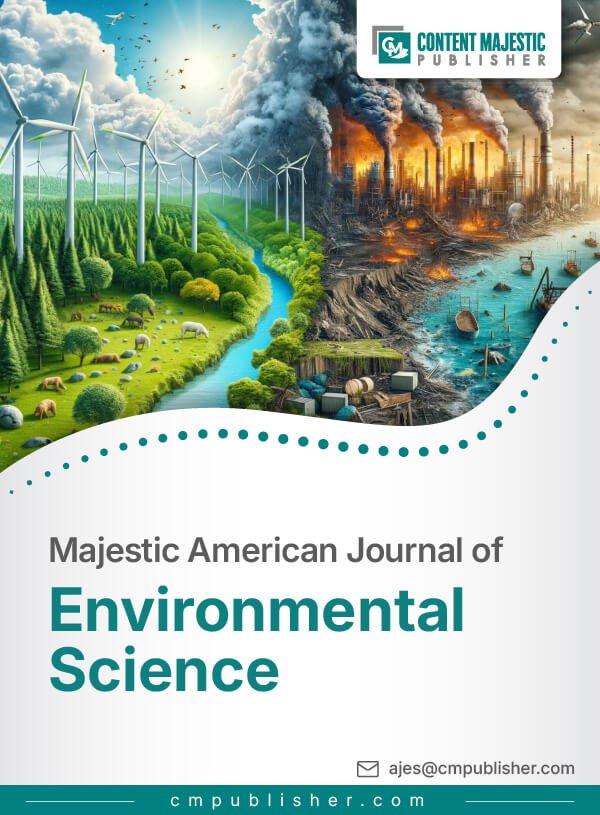
📚 Journal URL: Majestic American Journal of Environmental Science
Thematic Issue Guest Editor

Dr. Noreldaim Elkhidir
Email: noreldaimhussein@gmail.com
Independent Environmental Consultant, Dubai, United Arab Emirates


Dr. Noreldaim Elkhidir is an Associate Professor of Biological and Environmental Sciences with a PhD in Biological Science from Durham University, UK. He has held academic appointments at the University of Juba, University of Bahri, Al Jouf University, and Imam Abdulrahman Bin Faisal University. His teaching, research, and academic leadership experience spans environmental sciences, biological sciences, plant biotechnology, and sustainability. His work includes curriculum development, research coordination, and environmental education.
Scope of the Thematic Issue
The thematic issue, “Green Aspects of Human Lockdowns,” explores the environmental consequences of temporary reductions in human activities during the COVID-19 pandemic. It focuses on how changes in transportation, industrial operations, tourism, energy consumption, and public mobility influenced environmental quality, ecosystem functioning, and biodiversity. The issue aims to examine both the positive environmental outcomes and unintended negative consequences of lockdown measures, highlighting variations across geographical regions, environmental settings, and sectors.
It welcomes interdisciplinary research investigating environmental responses, ecosystem resilience, recovery patterns, and the long-term implications of reduced anthropogenic pressure. Particular emphasis is placed on evidence-based assessments that distinguish lockdown-related effects from seasonal, climatic, and other external influences, while identifying practical lessons for sustainable environmental management, policy development, and conservation.
Key Objectives
- Air quality, atmospheric pollutants, and greenhouse gas emissions during and after lockdowns.
- Water quality and the responses of freshwater, coastal, and aquatic ecosystems.
- Urban noise, soundscapes, and changes in urban environmental conditions.
- Biodiversity, wildlife movement and behaviour, and human–wildlife interactions.
- Terrestrial, coastal, and marine ecosystem responses and recovery trajectories.
- Changes in energy demand, mobility, transport, and tourism, and their environmental footprint.
- Waste generation and management, including single-use plastics and healthcare waste.
- Environmental monitoring using remote sensing, field observations, modelling, and citizen science.
- Comparative regional, longitudinal, and systematic review studies that separate lockdown effects from confounding factors.
- Equity, social feasibility, and policy lessons for achieving environmental gains without disruptive restrictions.
Suggested Research Areas (but not limited to)
- Air Quality and Atmospheric Pollution
- Water Quality and Aquatic Ecosystems
- Urban Noise and Environmental Conditions
- Biodiversity, Wildlife, and Ecosystem Responses
- Energy Consumption, Mobility, and Tourism
- Waste Generation and Environmental Management
- Environmental Monitoring and Assessment
- Comparative and Longitudinal Environmental Studies
- Environmental Policy, Sustainability, and Social Equity
Submission Process and Guidelines
Authors are invited to submit original research articles, review articles, perspectives, industry-based empirical studies that align with the theme of this special issue and must comply with MAJES author guidelines. Authors should submit their manuscripts via the journal’s Online Journal System (OJS) at https://ajes.cmpublisher.com/index.php/ojs/.
Note: All submissions to a Thematic Issue must include a formal cover letter including name of the theme and guest editors.
All papers will undergo a double-blind peer review process according to MAJES editorial standards to ensure high-quality contributions.
Important Dates
- Manuscript Submission Deadline: September 30, 2027
- Expected Final Publication: November 30, 2027
For Editorial or any inquiries regarding this special issue, please contact:
Ms. Ella Grace
Editorial Manager
Majestic American Journal of Environmental Science (MAJES)