


















Article Contents
Article ID: CM2511101008
Views: 1117Medical Marketing: Bridging the Gap
 DOI:
10.65080/t5neq314
DOI:
10.65080/t5neq314
 PDF
PDF
⬇ Downloads: 84
Nanjwani, K. (2025). Medical marketing: Bridging the gap. Advances Journal of Business Management and Social Sciences, 1(1), 1–21. https://doi.org/10.65080/t5neq314
Nanjwani, Keyaan. 2025. “Medical Marketing: Bridging the Gap.” Advances Journal of Business Management and Social Sciences 1 (1): 1–21. https://doi.org/10.65080/t5neq314
Nanjwani, K., 2025. Medical marketing: Bridging the gap. Advances Journal of Business Management and Social Sciences, 1(1), pp.1–21. Available at: https://doi.org/10.65080/t5neq314
Nanjwani K. Medical marketing: Bridging the gap. Adv J Buss Manag Soc Sci. 2025 Feb 25;1(1):1–21. doi:10.65080/t5neq314.
1Department of Business Administration, Ajman University, Ajman, UAE
Received: 27 December, 2024
Accepted: 19 February, 2025
Revised: 14 February, 2025
Published: 25 February, 2025
ABSTRACT:
Introduction: The current study investigated the mediating role of perceived risk in the relationship between customer trust and brand loyalty in the UK healthcare sector. Marketing communication in healthcare had traditionally relied on one-way, low-risk messages that used fear appeals. However, such approaches have often proven ineffective. This study explored the potential of value-based marketing in the healthcare sector by focusing on personalised digital strategies and solution-oriented communication. It sought to assess the mediating role of perceived risk between trust and loyalty, compare traditional versus digital marketing effectiveness, and offer actionable recommendations for healthcare communication improvement.
Methods: A quantitative survey was conducted among 200 UK healthcare professionals, with 151 valid responses analysed using a structured 5-point Likert scale questionnaire. Statistical analysis through SPSS, including correlation and regression, was used to interpret the data.
Results: Results indicated that perceived risk is a stronger predictor of brand loyalty than trust (β = .536, p < .001) and that marketing strategy plays a critical role in influencing consumer decisions (β = .370, p < .001). While trust in endorsements from institutions like the NHS and MHRA is relatively high, consumers remain cautious about unfamiliar digital healthcare services. Digital strategies, especially personalised messaging, enhance engagement when they address risk-related concerns. Together, perceived risk and marketing strategy explains over 70% of the variance in brand loyalty (R² = .706). Trust in healthcare brands alone did not significantly predict brand loyalty when other factors were controlled (β = -.008, p = .903). Mediation analysis revealed that perceived risk fully mediated the relationship between trust in healthcare brands and brand loyalty (indirect effect: β = 0.56, 95% CI [0.42, 0.71]; direct effect: β = 0.08, p = .325), indicating that trust impacts loyalty only through perceived risk. In contrast, perceived risk partially mediated the relationship between marketing strategy and brand loyalty (indirect effect: β = 0.41, 95% CI [0.30, 0.53]; direct effect: β = 0.40, p < .001), suggesting that marketing strategies influence loyalty both directly and indirectly via perceived risk.
Discussion: Trust alone did not ensure brand loyalty; instead, it had to be complemented by transparent, strategic communication and risk mitigation. Public endorsements and patient-centred messaging were vital to building and sustaining consumer relationships. The study was limited by its cross-sectional design, small sample size, and lack of differentiation between types of perceived risks. Future research should adopt longitudinal approaches and broader demographic sampling to deepen the understanding of consumer behaviour in healthcare marketing.
Keywords: Healthcare marketing, perceived risk, brand loyalty, customer trust, personalized messaging, customized solutions.
1. INTRODUCTION
Marketing, both traditional and digital, has become the backbone for businesses, raising awareness about business and leading to its development. However, an area where marketing principles are not fully applied is healthcare (Parveen et al., 2024; Zharlinska et al., 2025). Despite being 10% of the GDP of most developed countries, healthcare industries still seem to be working in silo when it comes to using marketing principles (Moncey & Baskaran, 2020). While marketing today is indispensable in business, estimated to reach a cost of $786.2 billion for digital marketing alone globally by 2026, this is a sign that marketing is important in creating visibility and brand loyalty, as noted by (Purcarea, 2019). The healthcare industry still appears hesitant concerning the full application of these principles. The Statista showed that the government of the United Kingdom spent over 221 billion British pounds on health in 2023/24, compared with 212.7 billion pounds in 2022/23, as shown in Fig. (1) (Statista, 2024).
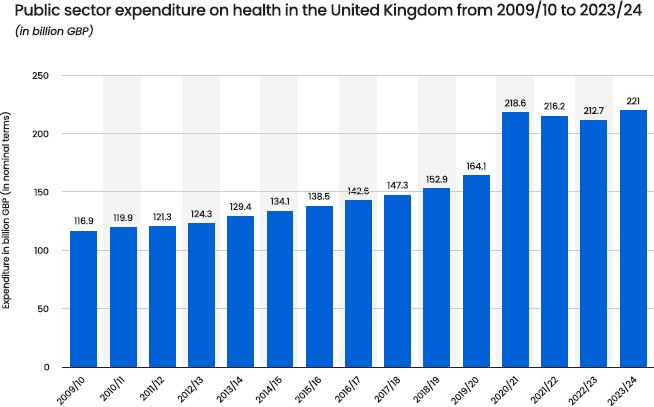
Fig. (1). Government spending on health in the UK 2009-2024.
Source: (Statista, 2024).
Despite this fact, the industry still uses effective market mechanisms such as targeted advertising, personalised messaging and social media outreach that might work towards bridging the gap that exists between healthcare providers, their customers, and patients (Anderson et al., 2019; Farsi, 2021).To further support this assertion, it can be identified that only 35% of the total healthcare services operating within the UK make active utilisation of digital marketing techniques to engage with their audience effectively (Agarwal et al., 2020). This is significant because the core problem investigated in this research relates to the continued reliance on fear-based appeals and one-way communication, two inefficient marketing strategies that fail to build and sustain trust and loyalty among healthcare consumers. Although trust is an important factor in healthcare, studies have indicated that 60% of consumers still would not like to engage with new healthcare brands due to perceived risks (Murphy-Young, 2021). This points to one of the significant challenges in the industry, which is concerns how perceived risk mediates the association between trust and brand loyalty, especially as regards health and medical products (Krupskyi & Stasiuk, 2023; van Overbeeke et al., 2019). The current study investigates the mediating role of perceived risk in the relationship between customer trust and brand loyalty in the UK healthcare sector. It identifies key components of effective communication in healthcare marketing by examining how a balanced combination of modern digital techniques (e.g., personalised advertising, online reviews, and micro-targeting) and conventional strategies (e.g., public awareness campaigns and health service advertisements) contribute to delivering value and building patient trust. For digital static display advertisement, the UK healthcare companies spent about 253.77 million US dollars in the year 2021, which is 64.19% higher when compared to 2020, when spending was 154.54 million US dollars (Statista, 2023).
This was miles ahead of the money spent on conventional media like magazines and billboards, which only underlined the shifting trend towards internet-based advertising in the healthcare segment. A survey from (Finney-Rutten et al., 2019) noted that 80% of those seeking healthcare professional services require five or more reviews before they can trust the healthcare product or service provider, and 75% of consumers rely on online reviews for recommendations of a new provider. These trends explain why digital advertising will play a fundamental role in supporting trust and interacting with them throughout their process of decision-making. This shift is underlined by (Shmait et al., 2024; and Rana et al., 2024), who focused on solution selling and personalised digital marketing communication, which will show how effective communication can increase patient trust and extend market coverage within a growing and highly saturated healthcare market. Thus, the aim of this study is to explain the reasons why particular healthcare marketing campaigns fail and to define the essential components of successful communication that deliver value to targeted consumers. Specifically, the research investigates the mediating role of perceived risk in shaping trust and brand loyalty and compares the effectiveness of traditional versus digital marketing strategies in building consumer relationships. Although there is an increase in prior research by scholars like (Slinn, 2017; and Zhou et al., 2017) on healthcare marketing, no available study investigates in detail the use of specific digital innovations in combination with traditional advertising methods to improve patient trust and campaign success. This research aims to fill that gap by offering clear, evidence-based recommendations for healthcare organisations seeking to modernise their marketing approaches and better connect with their audiences.
2. LITERATURE REVIEW
Customer trust, perceived risk and customer loyalty act as a guide to marketing and sustaining customer relationships (Ajina, 2019; Ezeudoka & Fan, 2024). However, in the healthcare and medical products industry, these dynamics have their own specific features due to the specific sensitivity of consumers to questions of safety, effectiveness and compliance with the requirements of the existing legislation (Diekema, 2022; Sophia et al., 2021) This literature review therefore focuses on how these factors are related, particularly in the context of the UK healthcare industry, comprising organisations such as the National Health Service (NHS) and the Medicines and Healthcare products (Papanicolas et al., 2019; Purcarea, 2019). In general, customer trust is widely considered to be a significant factor that leads to brand loyalty, especially in such industries as healthcare (Gur, 2020; Senyapar, 2024). In the UK, trust in medical products is often backed up by links to credible regulatory agencies. Another important factor is the role of the NHS and MHRA, as their approval gives confidence in the safety and effectiveness of the product (Afifi, & Amini, 2019; Iliffe & Manthorpe, 2021). (Greszczuk et al., 2018) show that UK consumers are more likely to trust medical products connected with the NHS, which is evidence of trust in public healthcare organisations. This trust directly translates to loyalty since customers are more likely to continue patronising brands that they consider trustworthy, especially for brands in the over-the-counter and other essential healthcare products (Birkhäuer et al., 2017; Mathur, 2021).
As (Portal et al., 2019) noted, trust leads to attitudinal loyalty, whereby consumers have a favourable attitude towards trusted brands. For instance, companies such as GlaxoSmithKline (GSK) operating in the UK have benefited from this phenomenon because they have long complied with the regulations of the British market and have significantly contributed to public health programs. This trust leads to repeat patronage and brand loyalty, especially in industries where the consequences of choosing the wrong brand are dire, such as the pharmaceutical and health sectors. However, the competitive nature of the private and NHS-endorsed products may pose some problems in this process of developing trust (Kerasidou & Kerasidou, 2023). A study by (Kuntsman & Miyake, 2022) showed that consumers are more loyal to products with the NHS logo than those from private brands, especially when there is little information on the effectiveness of products. Private healthcare brands such as Boots have, however, shown that trust can be built through the delivery of quality products and services, customer relations, and product reliability (Alkire et al., 2023; Sophia et al., 2021).
Perceived risk plays an essential role in influencing brand loyalty, mainly across the healthcare and medical products sectors, as consumers will only use brands which they perceive as safe and effective (Ezeudoka & Fan, 2024). Work done by (El Sherif et al., 2018) states that perceived risk is a factor contributing to customer indecision concerning the use of medical products. Nonetheless, these outcomes come with the assumption of having specific approval, such as those of the ‘NHS approved UK or MHRA’, which makes these findings restricted to the markets that are not developed. (Zhou et al., 2017) stressed the necessity to follow the given regulations and disclose information. However, the propositions of the authors are based more on UK-related works that may not include rich relationships with different global regulatory conditions. Likewise, MHRA examines the difficulties of new or foreign brands, but a lack of survey evidence diminishes the author’s assertion that perceived risk is invariably a problem for brand uptake. Even authors state that managing risks regarding the flow of information might be solved through communication and consumer education (Alkire et al., 2023; Tran, 2021).
(Bove & Benoit, 2020) did not consider the cases when consumers cannot trust the source by default. For instance, the way it applied to the education of the consumer-led to the success of Sanofi. They stated that it might not work for new brands. In addition, (Agarwal et al., 2020; and Bernarto et al., 2022) stated that perceived risk fully mediates the relationship between trust and loyalty; however, some other factors might also exist, including product quality and brand image. It revealed quite an important perspective but does not provide much insight into how exactly these dynamics change over time due to the absence of a longitudinal. This literature concerns the influence of perceived risk both on the issues of regulatory approval and on the nature of the relationships between brand loyalty and its clients in the sphere of healthcare (Perrot et al., 2019). However, a significant drawback is that the given work is conducted theoretically rather than empirically, and further discussion primarily refers to case studies of the consolidated company, such as Snofi (Slinn, 2017). Relevant research that has focused on perceived risk has made few attempts to realise competitive forces or the aspect of market familiarity (Agarwal et al., 2020; Bove & Benoit, 2020).
Moreover, while the literature review revealed that regulatory endorsement or targeted communication affects consumer attitude and loyalty dominantly and across different healthcare markets, there is little integrated research done in this area. The research gap lies in the limited empirical evidence on how perceived risk, trust, and loyalty interact across diverse healthcare markets and competitive contexts. Most existing studies focus on theoretical analyses or single case studies of established firms, such as Sanofi, lacking cross-market or longitudinal data. Additionally, previous research has underexplored the impact of competitive forces and consumer familiarity with new or foreign brands in regulated healthcare environments. There is also a shortage of integrated studies combining regulatory approval effects with communication strategies in shaping consumer attitudes and loyalty. To address these gaps, future research should employ empirical, cross-market investigations, including longitudinal approaches, to better understand how perceived risk mediates trust and loyalty over time in the healthcare sector. Research could further explore how competitive dynamics and market familiarity influence these relationships, particularly for emerging brands attempting to build trust in regulated markets. Moreover, practical implications for healthcare firms entering or operating within highly regulated contexts should be developed, focusing on effective communication, regulatory endorsement, and consumer education strategies. These directions should be clearly outlined in the study’s conclusion section to guide subsequent work.
2.1. Research Hypotheses
H1: Trust in healthcare brands has a positive and significant effect on brand loyalty.
H2: Perceived risk has a negative and significant effect on brand loyalty.
H3: Marketing strategy type (digital vs. traditional) significantly affects brand loyalty in the healthcare sector.
H4: Perceived risk mediates the relationship between trust in healthcare brands and brand loyalty.
3. METHODS
This study used a quantitative survey research methodology to gather and analyse data related to various aspects of healthcare marketing campaigns. A structured survey questionnaire was developed for the purpose of data collection. The instrument was validated through a pilot test involving five healthcare professionals to ensure clarity, relevance, and reliability. The final questionnaire consisted of four sections with a total of 16 close-ended questions, measured on a 5-point Likert scale (0 = Strongly Agree to 5 = Strongly Disagree), covering: (1) positive communication, (2) threat appeal, (3) individualisation, and (4) call to action strategies in healthcare marketing campaigns (Appendix A). To implement this research, a cross-sectional sample of healthcare professionals was surveyed. The survey was distributed via email to potential participants, allowing them to complete it at their convenience, either at home or at their workplace. A total of 151 participants responded, including doctors, nurses, and other licensed medical professionals currently practising in the UK. At the same time, the sample size is relatively small. It was purposively selected to include participants with relevant professional experience in healthcare marketing. Specifically, respondents were required to have a minimum of 1-2 years of experience in roles related to healthcare branding, digital marketing, public health communications, or healthcare product promotion. This criterion ensured that the insights gathered reflected informed perspectives from professionals actively engaged in shaping or evaluating healthcare marketing strategies. The demographic profile of the participants included age, gender, profession, and years of experience and is summarised in the findings section. This sampling decision aimed to avoid general population bias and guaranteed that the insights were informed by practitioners actively engaged in healthcare environments (Ahmed, 2024). The study achieved a response rate of 75%, with 200 questionnaires distributed and 151 valid responses received. This helped control for response bias and ensured the quality of the collected data. The structured survey design aligned with the principles of quantitative research by enabling statistical comparison across participants’ responses (Harrison, 2020). The use of frequency analysis was appropriate to identify trends and the prevalence of specific perceptions within the data set. The different statistical tests, such as frequency analysis, correlation, regression and tested mediation analysis, were performed using SPSS software. This approach helped in establishing patterns in participant responses and provided clarity on the effectiveness of healthcare marketing campaign strategies from a professional perspective.
4. RESULTS
4.1. Findings
The survey shows that presents insights into the demographic profile and attitudes of 151 participants towards healthcare branding, trust, marketing strategies, and perceived risk. The dataset is complete, with no missing values for either gender or age. The gender distribution shows a higher proportion of female participants (58.9%) compared to males (41.1%), indicating that female perspectives may be slightly more represented in the results, as shown in Fig. (2). Query successful. This pie chart illustrates the age distribution of respondents. The largest proportion, 55.63%, falls within the 26-35 age group, indicating a significant representation of young adults. The 46-55 age group constitutes the second largest segment at 21.19%. Conversely, the 18-25 group accounts for 9.27%, while those aged 36-45 make up 7.95%. The smallest segment, 5.96%, represents respondents aged 56 and above (Fig. 3).
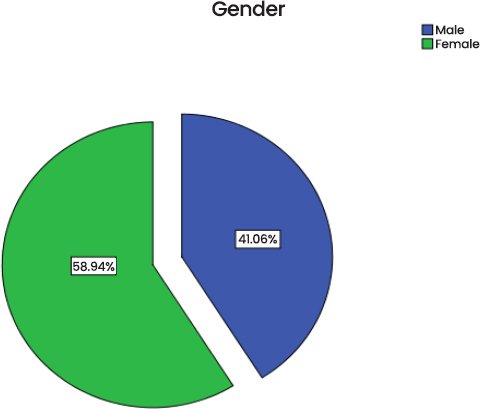
Fig. (2). Gender of the participants.
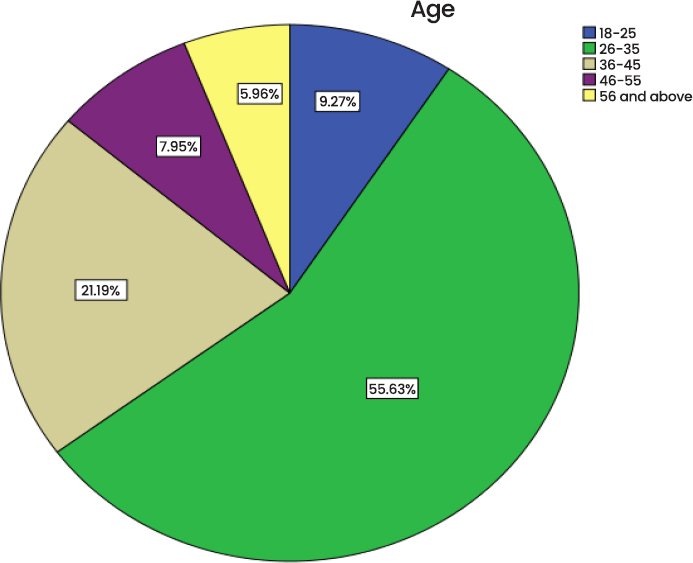
Fig. (3). Age of the participant.
A significant number of respondents demonstrate trust in healthcare brands endorsed by public institutions such as the NHS or MHRA, with 62.2% either agreeing or strongly agreeing (Fig. 4). Similarly, 57.6% prefer purchasing from well-known healthcare brands. This highlights the importance of public trust and brand familiarity in consumer healthcare choices. The influence of a brand’s reputation is evident as 64.9% report that it significantly affects their decision-making, affirming that brand equity remains a critical factor in consumer perception (Figs. 5, 6, 7).
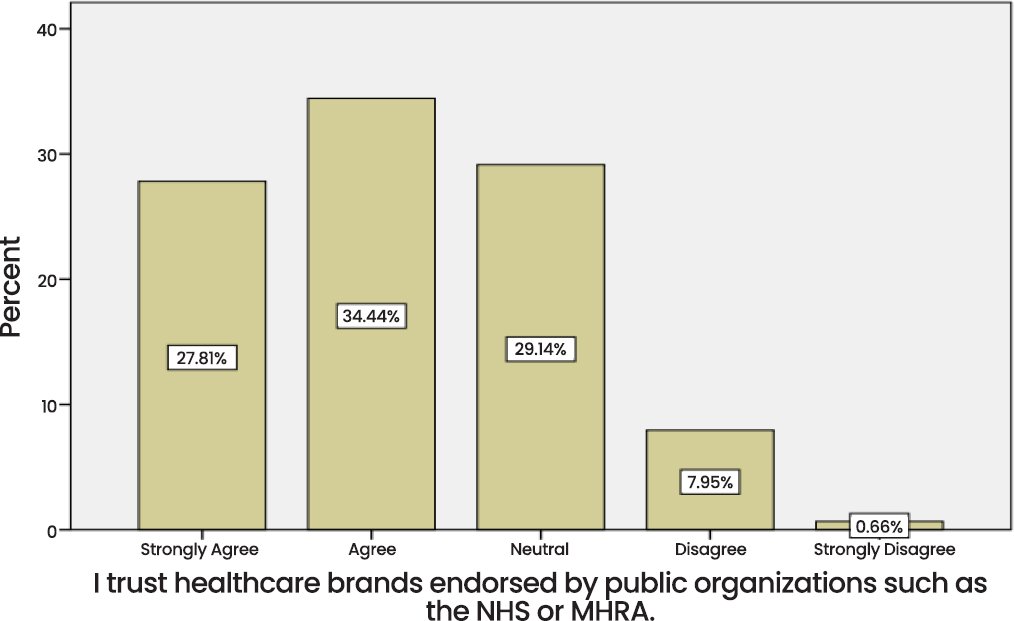
Fig. (4). Trust in healthcare brands.
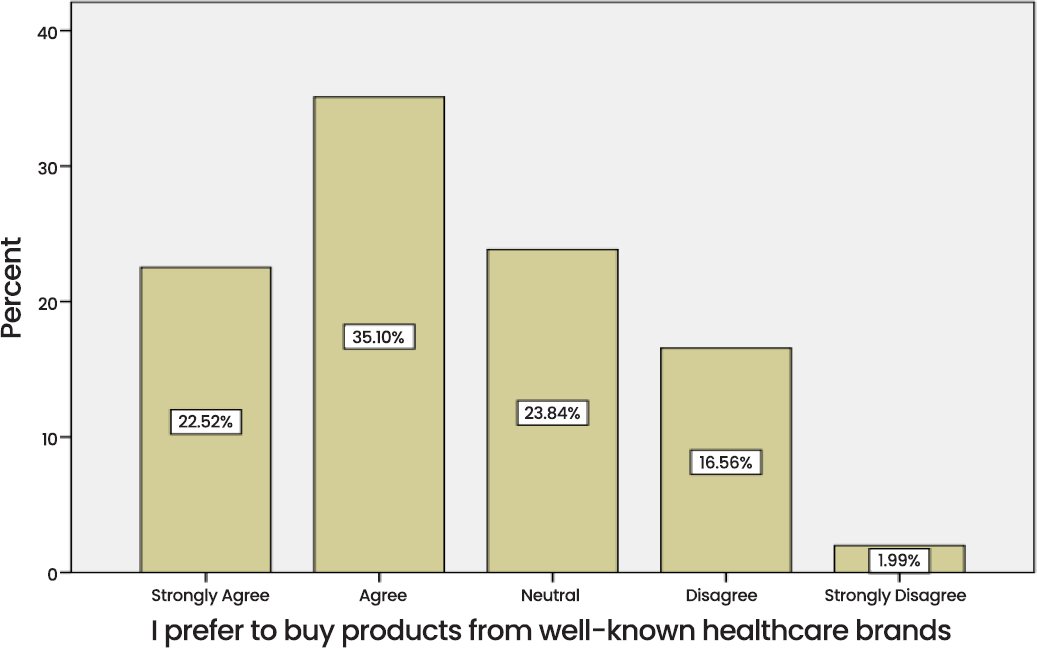
Fig. (5). Well known healthcare brand.
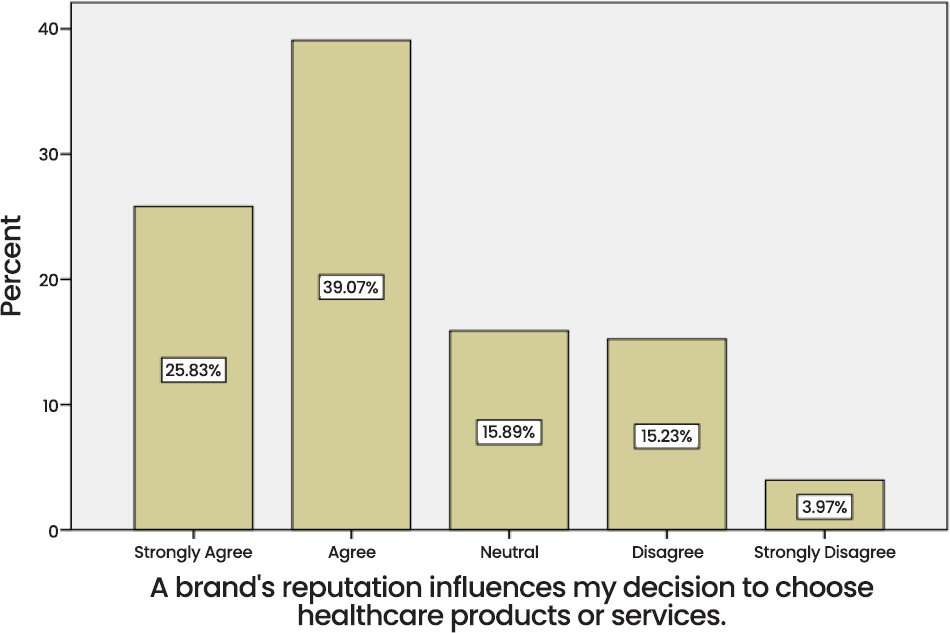
Fig. (6). Brand reputations influence customer decisions related to the products.
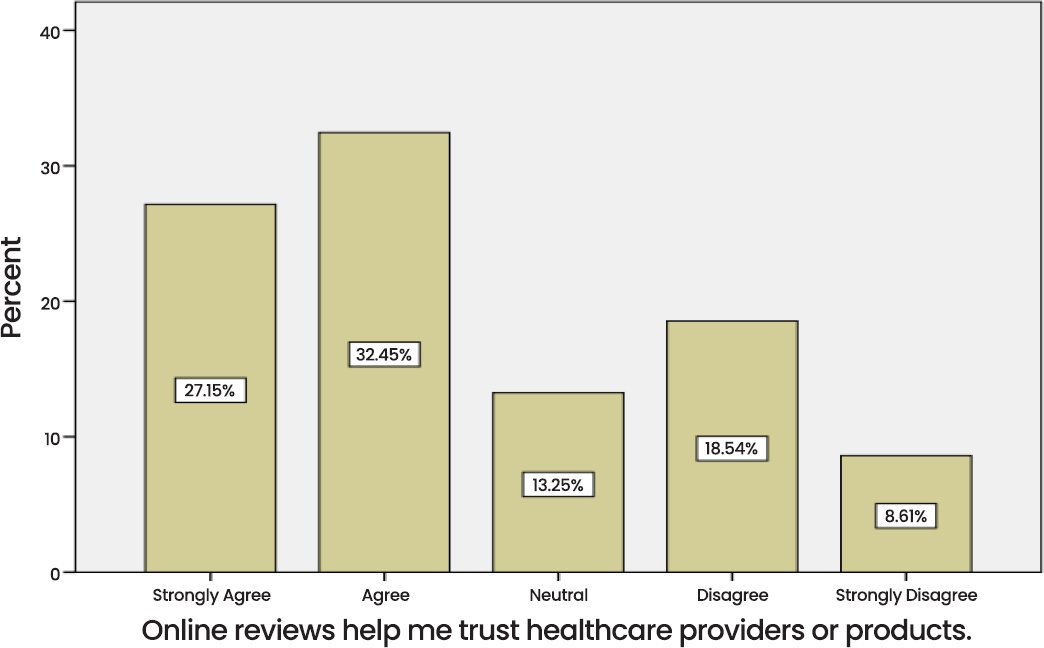
Fig. (7). Trust healthcare provider and product online review.
Trust in online reviews is relatively high, with nearly 60% agreeing or strongly agreeing that they help form trust in healthcare products or providers. However, there is a substantial level of caution: 60.3% are wary of trying unfamiliar healthcare brands. Additionally, 58.9% perceive higher risks associated with digital health services (e.g., telemedicine) compared to traditional services. The absence of official endorsements increases perceived risk for 59.6% of respondents. This caution extends to marketing channels. A large portion (58.9%) feel less secure using healthcare brands primarily advertised through social media, and 64.2% find traditional marketing (TV, radio, billboards) more trustworthy than digital marketing, indicating skepticism towards newer, less-regulated promotional methods Figs. (8–11).
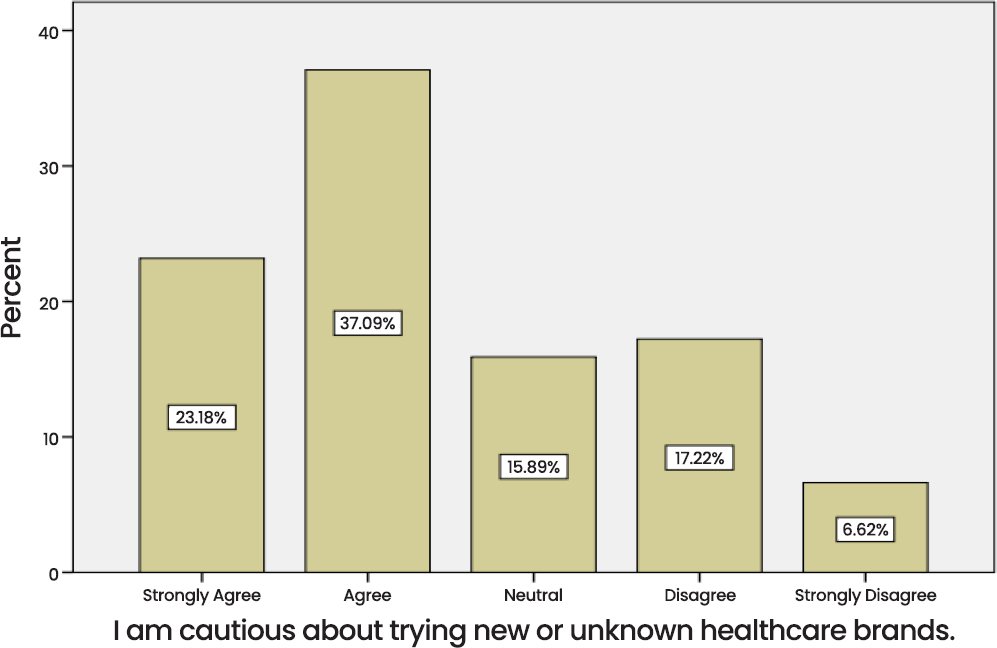
Fig. (8). Move toward the new healthcare brand.
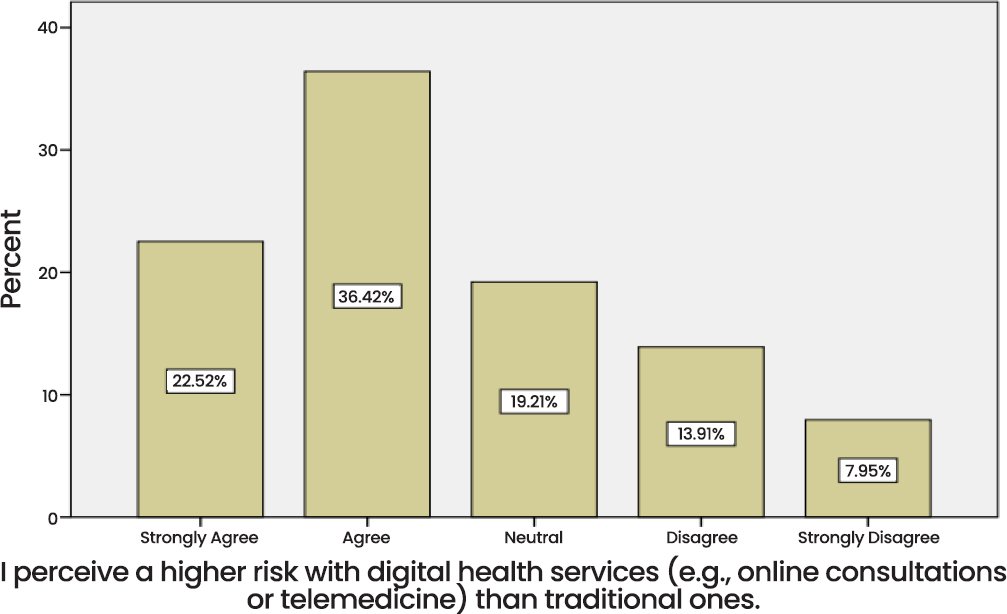
Fig. (9). Traditional vs advanced digital services.
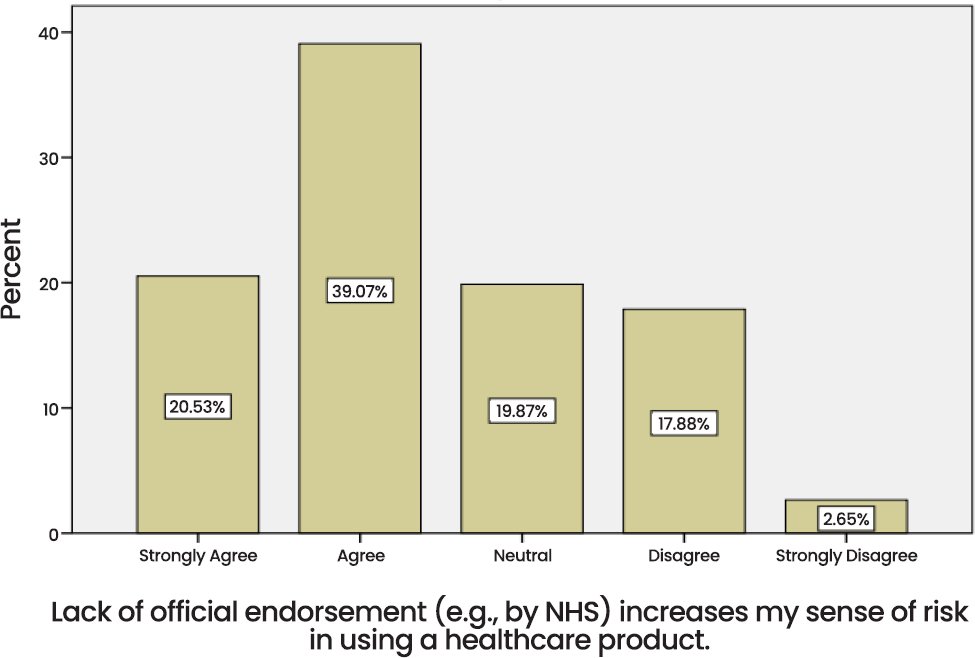
Fig. (10). Risk related to the use of the new healthcare brand.
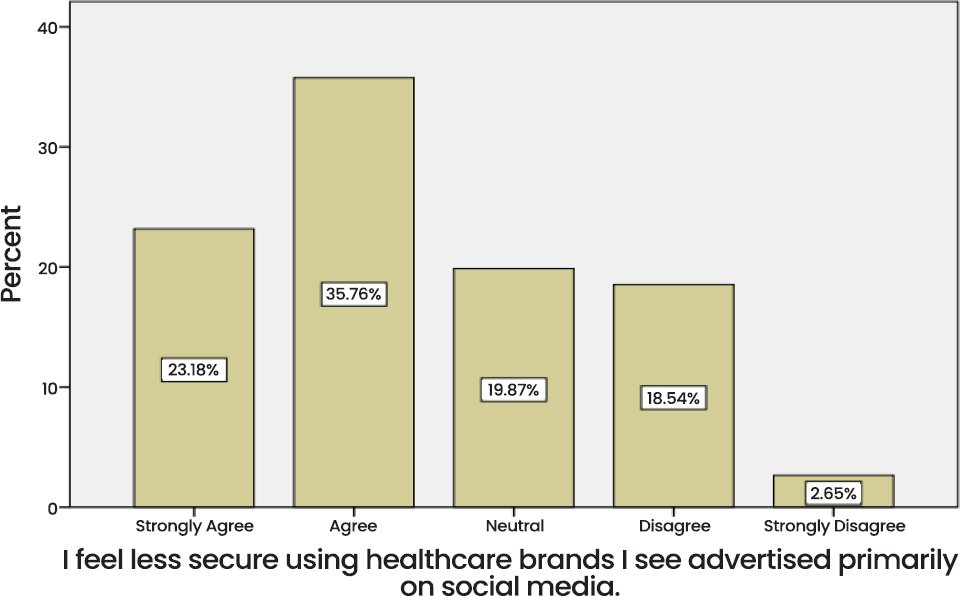
Fig. (11). Feeling less secure about the using of healthcare brand.
Despite the skepticism, digital marketing still plays a role in influencing consumer choices. Around 62.3% report that digital marketing campaigns affect their decision-making. Furthermore, 62.3% also agree that personalised marketing, such as targeted health-related ads, increases their engagement with brands. This suggests that while consumers are cautious, tailored and relevant, digital messaging can be effective. Educational and informative campaigns are strongly favoured over fear-based tactics, with 56.9% of respondents supporting this view. A patient-centric digital marketing strategy is also seen as effective by 50.4%, highlighting a shift towards more compassionate, transparent, and informative branding in healthcare (Figs. 12–16).
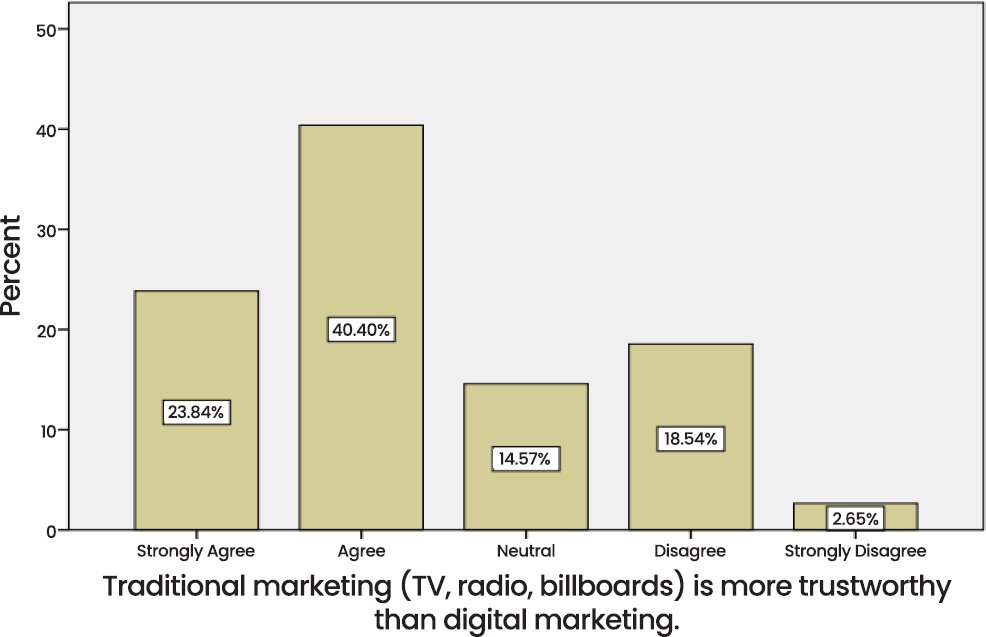
Fig. (12). Digital marketing vs traditional method of marketing.
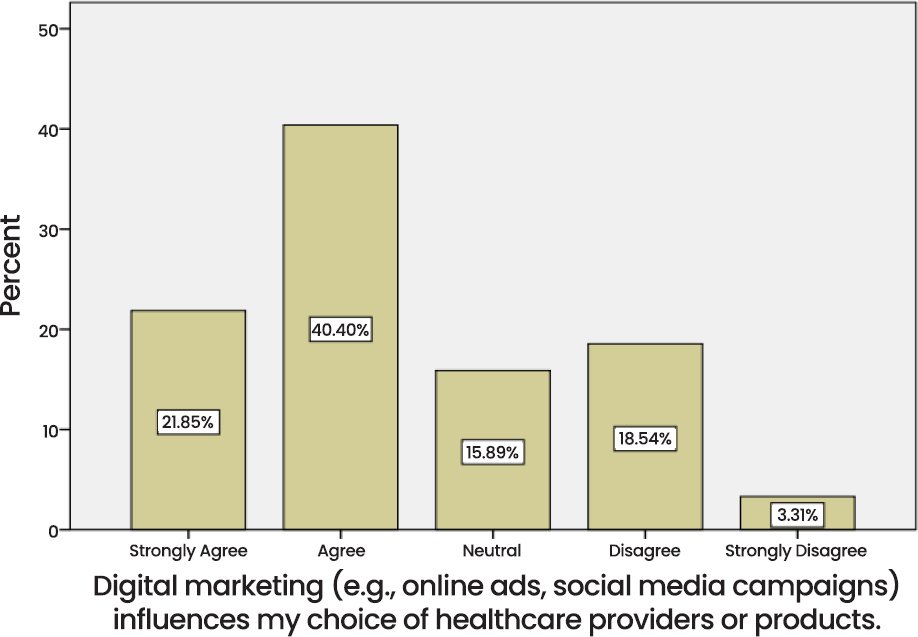
Fig. (13). Consumer perspective related to the digital marketing.
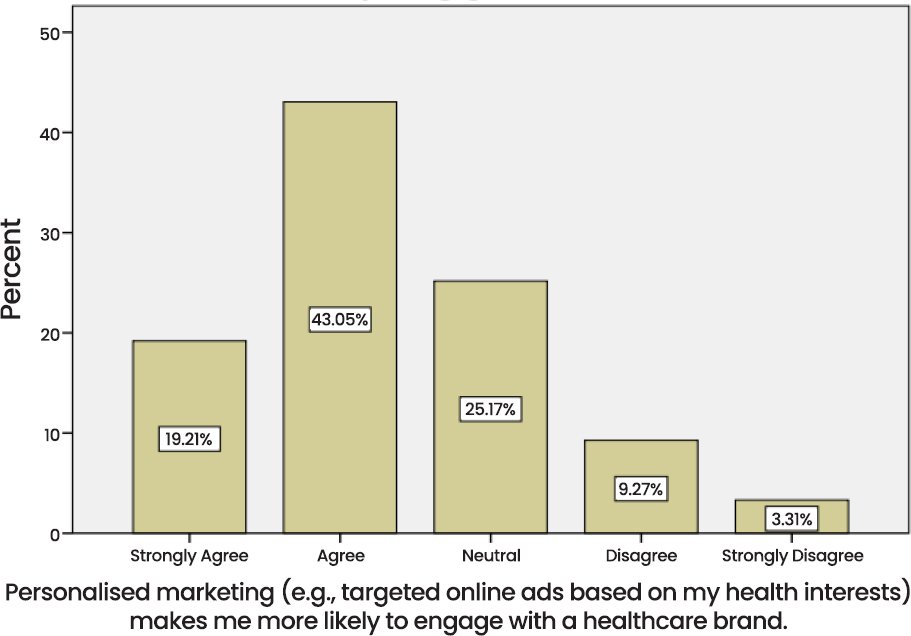
Fig. (14). Online platform prefers to attract customers toward the healthcare brand.
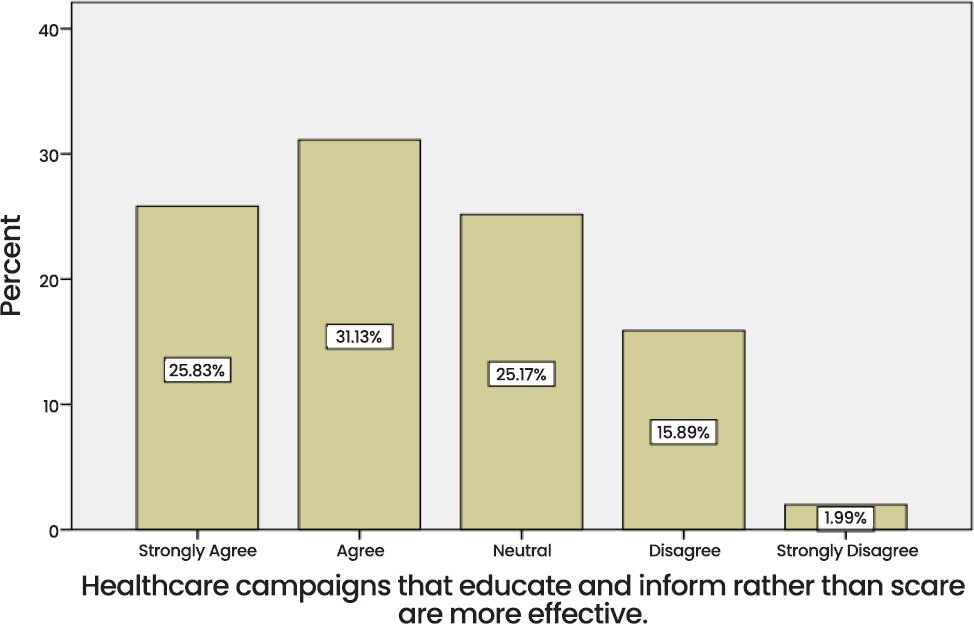
Fig. (15). Consumer perspective related to the healthcare campaign.
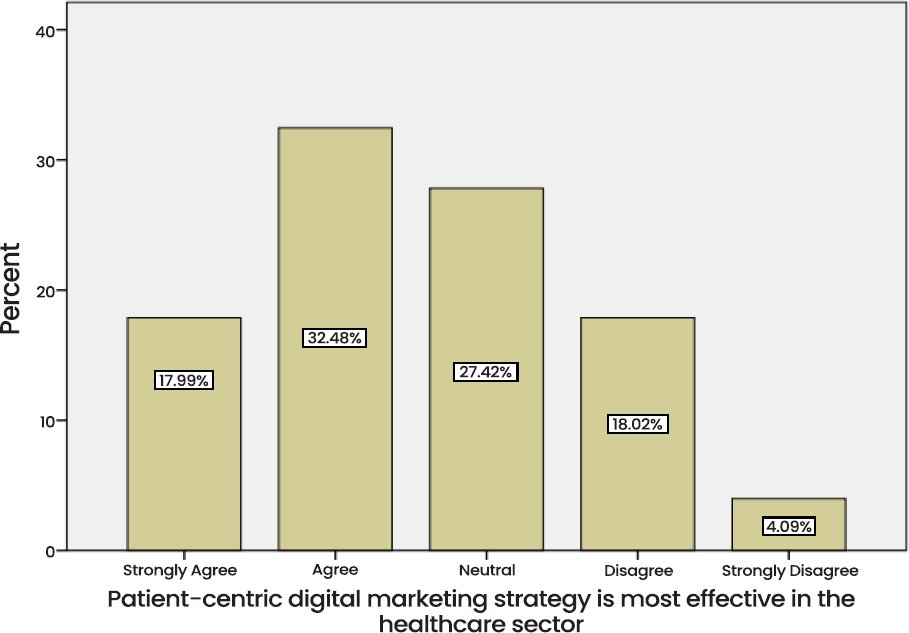
Fig. (16). Consumer opinion about the digital marketing strategies.
The survey data reveals a clear trend linking consumer trust to loyalty and advocacy in healthcare brands. A significant majority of respondents (62.2%) agreed or strongly agreed that trust in a healthcare brand influences their continued use of its products or services. This suggests that brand trust is a strong predictor of customer retention. Similarly, 62.9% of participants reported that they often recommend trusted healthcare products or services to others, indicating that trust not only encourages loyalty but also drives word-of-mouth marketing. Furthermore, 59.6% agreed or strongly agreed that they feel more loyal to brands that communicate clearly and transparently. This highlights the importance of open and honest communication in fostering brand loyalty. Around 19% of respondents remained neutral across all three statements, suggesting a segment of consumers may require additional engagement or evidence to form a strong opinion. Disagreement levels remained below 21% in each case, implying relatively low opposition to the ideas presented. Overall, the findings suggest that trust and transparency are central to customer loyalty and advocacy in the healthcare sector. Brands that prioritise these values are more likely to retain customers and benefit from positive recommendations (Figs. 17–19).
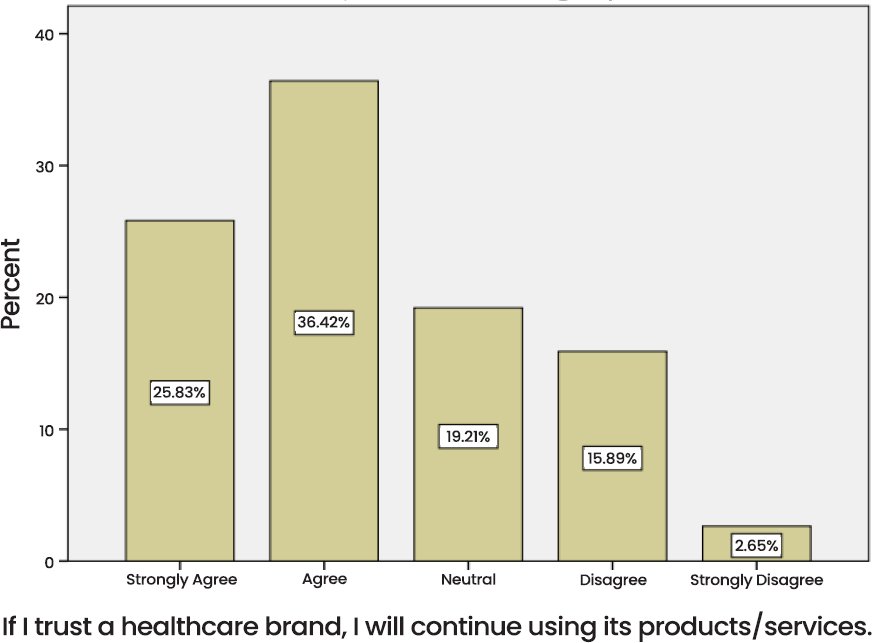
Fig. (17). Consumer trust in healthcare brands.
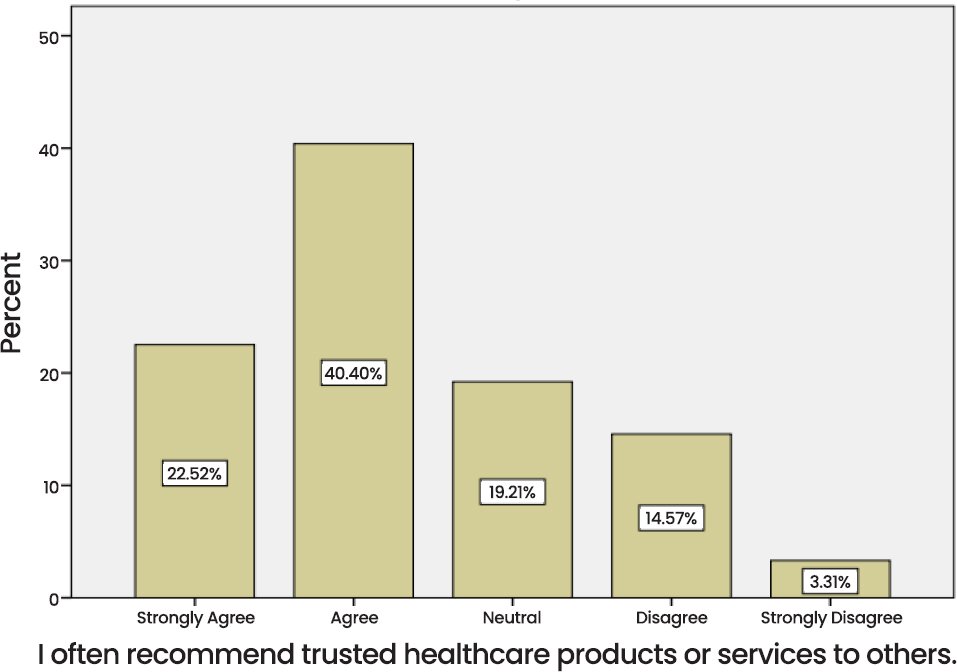
Fig. (18). Healthcare product engagement increases due to the recommendations.
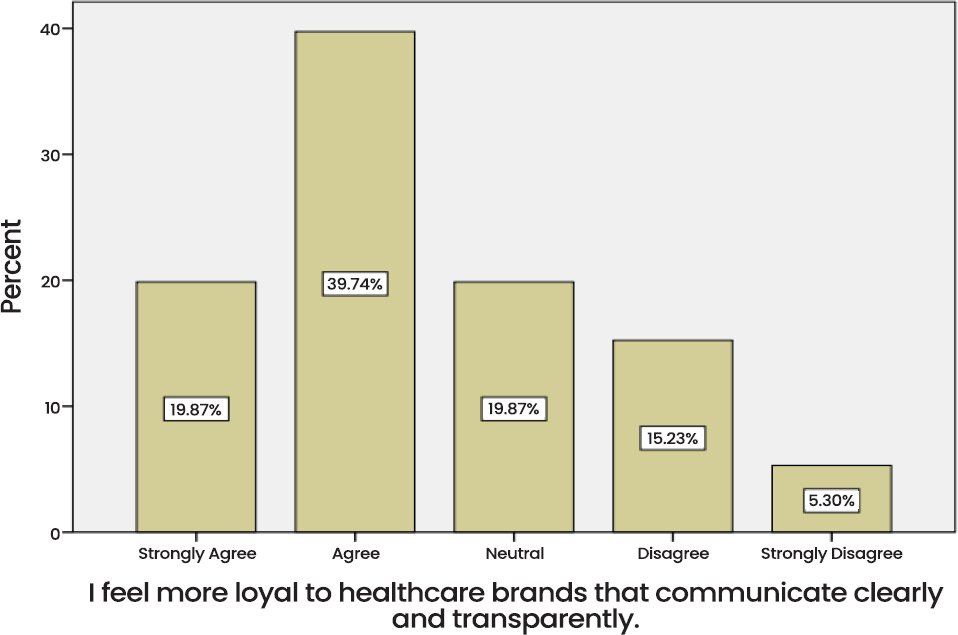
Fig. (19). Loyalty toward the healthcare brand.
This analysis reflects a consumer population that values public endorsement, brand familiarity, and educational marketing. Although cautious about digital healthcare and social media promotion, they are responsive to personalised and trust-based digital engagement. Marketers in the healthcare sector should focus on transparency, credibility, and tailored content to build and retain consumer trust. Based on the SPSS analysis of the study investigating brand loyalty in the healthcare sector, several key findings emerge regarding gender distribution, frequency analysis, correlations, and regression results. The gender breakdown of respondents indicates a higher proportion of females (58.9%) compared to males (41.1%) among the 151 participants. This gender composition offers a moderately balanced representation but slightly leans towards female perspectives in perceptions and attitudes towards healthcare branding. The frequency analysis reveals that participants generally have a moderately positive attitude toward trusted healthcare brands and marketing influences. The item “I trust healthcare brands endorsed by public organisations such as the NHS or MHRA” had a mean of 1.19 (on a scale of 0–4), indicating a relatively high level of trust in endorsements from public institutions. Similarly, participants agreed to a fair extent that they prefer well-known healthcare brands (mean = 1.40) and are influenced by brand reputation (mean = 1.32). Notably, respondents reported being cautious about trying new or unknown healthcare brands (mean = 1.47) and perceived a higher risk associated with digital health services (mean = 1.48). These scores reflect consumer apprehension toward digital healthcare services and suggest a preference for familiarity and trustworthiness. Correlation analysis shows strong and statistically significant relationships between key variables. trust in healthcare brands positively correlates with perceived risk (r = .730, p < .01), marketing strategy type (r = .651, p < .01), and brand loyalty (r = .624, p < .01). Perceived risk demonstrates an even stronger correlation with brand loyalty (r = .803, p < .01), suggesting that managing perceived risk is important for fostering loyalty. Marketing strategy type also correlates highly with brand loyalty (r = .760, p < .01), indicating the significant role that tailored marketing approaches play in influencing consumer behaviour Table 1. The regression analysis further supports these findings Table 2. The model, which includes trust in healthcare brands, perceived risk, and marketing strategy type as predictors of brand loyalty, explains a substantial 70.6% of the variance in brand loyalty (R² = .706). This highlights the combined influence of these factors in shaping loyal consumer behaviour in the healthcare sector. Interestingly, within the regression model, perceived risk (β = .536, p < .001) and marketing strategy type (β = .370, p < .001) emerge as significant predictors of brand loyalty. However, trust in healthcare brands does not significantly predict brand loyalty when other variables are controlled (β = -.008, p = .903), suggesting that while trust is important, its direct impact is overshadowed by how risk and marketing strategy is perceived and managed.
| Variable | 1 | 2 | 3 | 4 |
|---|---|---|---|---|
| Trust in healthcare brands | — | .730*** | .651*** | .624*** |
| Perceived risk | .730*** | — | .737*** | .803*** |
| Marketing strategy type | .651*** | .737*** | — | .760*** |
| Brand loyalty | .624*** | .803*** | .760*** | — |
Note: *** indicating significant at 1%
N = 151. p < .01 (two-tailed).
| Predictor | B | SE B | β | t | p |
|---|---|---|---|---|---|
| Trust in healthcare | -0.008 | 0.074 | -0.008 | -0.122 | .903 |
| Perceived risk | 0.552 | 0.076 | 0.536 | 7.261 | < .001 |
| Marketing strategy | 0.433 | 0.085 | 0.370 | 5.068 | < .001 |
Note: R² = .706. p values < .001 are reported as “< .001”
On the other hand, further testing (mediation analysis) is needed to evaluate relationships and mediation effects outlined in H4.
A mediation analysis was conducted using Hayes’ PROCESS macro (Model 4) to examine whether Perceived Risk mediates the relationship between two independent variables, Trust in Healthcare Brands and Marketing Strategy Type and the dependent variable, Brand Loyalty, as shown in Table 3. In the first model, the relationship between Trust in Healthcare Brands (X) and Brand Loyalty (Y) was tested with Perceived Risk (M) as the mediator. The findings showed that trust in healthcare brands significantly predicted perceived risk (β = 0.76, p < .001), indicating that higher trust levels are associated with greater perceived risk. Furthermore, perceived risk had a strong and significant effect on brand loyalty (β = 0.74, p < .001), suggesting that individuals who perceive higher levels of risk are more likely to remain loyal to a healthcare brand. Interestingly, the direct effect of trust in healthcare brands on brand loyalty was not statistically significant (β = 0.08, p = .325). However, the indirect effect through perceived risk was significant (β = 0.56, 95% CI [0.42, 0.71]), indicating full mediation. This suggests that trust influences loyalty entirely through its impact on perceived risk.
The second model assessed the mediating role of perceived risk in the relationship between Marketing Strategy Type (X) and Brand Loyalty (Y). Results revealed that marketing strategy significantly influenced perceived risk (β = 0.77, p < .001), and perceived risk, in turn, significantly predicted brand loyalty (β = 0.53, p < .001). Unlike the first model, the direct effect of marketing strategy on brand loyalty remained statistically significant (β = 0.40, p < .001), while the indirect effect through perceived risk was also significant (β = 0.41, 95% CI [0.30, 0.53]) as shown in Table 3. These findings indicate partial mediation, where marketing strategies affect brand loyalty both directly and indirectly via perceived risk. Hence, the analysis highlights the central role of Perceived Risk in shaping Brand Loyalty. While trust in healthcare brands affects loyalty entirely through perceived risk, marketing strategy influences loyalty both directly and through perceived risk. These findings underscore the importance for healthcare brands to carefully manage perceived risk in order to strengthen customer loyalty, especially in the context of strategic marketing and trust-building initiatives.
| Model | X (IV) | M (Mediator) | Y (DV) | Direct Effect (X → Y) | Indirect Effect (X → M → Y) | Mediation Type | Significance of Mediation |
|---|---|---|---|---|---|---|---|
| 1 | Trust in healthcare brands | Perceived risk | Brand loyalty | β = 0.0781, p = .3248 | β = 0.5616, 95% CI [0.4246, 0.7114] | Full mediation | Significant |
| 2 | Marketing strategy type | Perceived risk | Brand loyalty | β = 0.4023, p < .001 | β = 0.4101, 95% CI [0.2955, 0.5322] | Partial mediation | Significant |
Note: Mediation is considered significant when the 95% confidence interval for the indirect effect does not include zero.
Abbreviation: CI = Confidence Interval
5. DISCUSSION
The current study provides valuable insights into the determinants of brand loyalty in the healthcare sector, highlighting the significant roles of perceived risk, marketing strategy, and trust in shaping consumer loyalty. These findings align with and extend the existing body of research on brand loyalty, consumer behaviour, and healthcare marketing. Firstly, the gender distribution of the sample, with a slightly higher representation of females (58.9%) compared to males (41.1%), is consistent with previous studies that report women often engage more with healthcare services and health-related decisions than men. This demographic characteristic may influence the overall attitudes and perceptions toward healthcare brands, as women tend to exhibit different trust and risk assessment patterns compared to men. Frequency analysis indicated that consumers generally express moderate trust in healthcare brands endorsed by public organisations such as the NHS or MHRA. This aligns with extant literature emphasising the importance of institutional trust in healthcare (Iliffe & Manthorpe, 2021; Kerasidou & Kerasidou, 2023). Trust in public endorsements acts as a heuristic that reduces complexity and uncertainty for consumers when selecting healthcare products or services (Mathur, 2021). However, despite this moderate trust, participants reported a notable caution toward new or unknown healthcare brands and digital health services, which scored the highest in perceived risk. This finding corroborates earlier research that highlights consumer skepticism and risk aversion toward digital health solutions due to privacy concerns, lack of face-to-face interaction, and perceived reliability issues (Ezeudoka & Fan, 2024).
The cautious attitude toward digital healthcare brands indicated a need for healthcare organisations to address perceived risks to improve adoption and loyalty. The strong positive correlations found between perceived risk and brand loyalty (r = .803), as well as between marketing strategy type and brand loyalty (r = .760), reveal critical dynamics in healthcare branding. The role of perceived risk in consumer loyalty is extensively supported by prior studies (Bernarto et al., 2022), which show that risk perception negatively impacts purchasing behaviour unless mitigated by trust and effective marketing communications. In healthcare, the stakes are higher due to the sensitive nature of services and potential health consequences. Therefore, healthcare consumers are particularly sensitive to risk and require reassurance through credible information, quality assurance, and safety guarantees. Marketing strategy emerges as another key determinant of brand loyalty in this study. The significant correlation between marketing strategy type and loyalty aligns with Keller’s brand equity theory, which underscores that well-crafted marketing programs that build brand associations, enhance perceived quality, and foster emotional connections drive consumer loyalty. In healthcare, marketing strategies that emphasise patient-centred communication, transparency, and education have been found to build trust and loyalty effectively (Tran, 2021). Regression analysis highlights marketing strategy as a significant predictor of loyalty (β = .370), reinforcing the importance of tailored and strategic marketing efforts in the healthcare context.
Interestingly, trust in healthcare brands did not significantly predict brand loyalty in the regression model once perceived risk and marketing strategy were accounted for. This result suggests a complex interplay where trust alone is insufficient to foster loyalty if consumers perceive high risk or if marketing strategies are ineffective. This finding is somewhat contrary to the broad consensus that trust is a cornerstone of brand loyalty. However, it can be interpreted through the lens of multidimensional brand loyalty models that consider trust as necessary but not sufficient without addressing risk and communication. For healthcare brands, this implies that building trust must be complemented by risk mitigation strategies and effective marketing communications to convert trust into loyalty (Birkhäuer et al., 2017). The dominance of perceived risk as a predictor (β = .536) underscores its pivotal role in healthcare consumer decision-making. Literature in health psychology and marketing consistently highlights perceived risk as a barrier to adopting new healthcare products or services. Specifically, in the context of digital health services, risk factors such as data security, misinformation, and uncertainty about effectiveness reduce consumer confidence (Agarwal et al., 2020). Addressing these concerns through robust privacy policies, transparent communication, and endorsements from trusted public bodies may reduce perceived risk and thereby enhance loyalty.
Moreover, the study’s findings emphasise the importance of endorsements from recognised public organisations such as the NHS or MHRA. The moderate mean score reflecting trust in these endorsements aligns with research demonstrating that institutional legitimacy enhances brand credibility and consumer confidence (Iliffe & Manthorpe, 2021). Public endorsements act as external cues signalling quality and reliability, which are important in healthcare, where consumers often lack the technical expertise to evaluate product efficacy independently. The absence of significant gender differences in perceptions and attitudes, despite observable mean trends, suggests a shared baseline of healthcare brand attitudes among men and women in this sample. This is in line with findings by (Alkire et al., 2023), who found that while gender influences certain health behaviours, brand perceptions and loyalty drivers may converge in healthcare contexts due to universal concerns about health and safety. Nevertheless, nuanced gender-based marketing approaches might still be beneficial, given the observed differences in mean scores, as gender can influence communication preferences and health service usage patterns.
However, hypothesis H1 (Trust in healthcare brands has a positive and significant effect on brand loyalty) was not supported, as regression analysis revealed the relationship to be statistically non-significant (β = -0.008, p = .903). In contrast, H2 (Perceived risk has a negative and significant effect on brand loyalty) and H3 (Marketing strategy type significantly affects brand loyalty) were supported, with both predictors showing strong statistical significance in influencing brand loyalty (p < .001). Additionally, H4 (Perceived risk mediates the relationship between trust in healthcare brands and brand loyalty) was supported through a significant indirect effect, indicating full mediation. These results suggest that while consumers express general trust in familiar and institutionally endorsed healthcare brands, it is the perception of risk and the nature of marketing strategies that play more central roles in determining actual loyalty behaviours. In particular, perceived risk emerged as a pivotal factor, both as a direct influence and as a mediator, indicating that managing consumers’ risk perceptions may be more critical than building trust alone.
From a practical standpoint, these findings offer several implications for healthcare marketers and organisations. First, reducing perceived risk should be a priority. This can be achieved through clear communication of safety measures, transparent data handling, patient testimonials, and third-party certifications. Second, marketing strategies should be designed to build emotional connections, educate consumers, and reinforce brand reputation. Approaches such as storytelling, patient engagement campaigns, and personalised communication can enhance brand loyalty. Third, leveraging public endorsements and partnerships can strengthen brand trust and credibility. Future research could expand on these findings by exploring the specific dimensions of perceived risk in healthcare, such as financial, privacy, and health risks and how different demographic groups perceive and react to these risks. Additionally, longitudinal studies could examine how trust, risk perception, and marketing strategies interact over time to influence brand loyalty, particularly as digital health services become more prevalent. Thus, the present study contributes to understanding healthcare brand loyalty by highlighting the dominant influence of perceived risk and marketing strategy over trust alone. These findings align with and extend prior research, underscoring the need for integrated approaches that combine trust-building with risk mitigation and strategic marketing to cultivate loyal healthcare consumers. Healthcare organisations that effectively address these dimensions are better positioned to foster long-term brand loyalty, which is essential for competitive advantage and sustained patient engagement in an evolving healthcare landscape.
CONCLUSION
This study elucidates the critical factors influencing the success of healthcare marketing campaigns, particularly emphasising the mediating role of perceived risk in shaping consumer trust and brand loyalty. The findings demonstrate that while trust remains an important element in healthcare marketing, it alone does not guarantee consumer loyalty unless paired with effective risk mitigation and strategic marketing communications. Perceived risk emerged as the most significant predictor of brand loyalty, highlighting the sensitive nature of healthcare consumer decision-making where safety and reliability concerns dominate. Additionally, marketing strategy plays a pivotal role by shaping emotional connections, educating patients, and reinforcing brand reputation, thus complementing trust-building efforts. The comparative evaluation between traditional and digital marketing strategies indicates that healthcare consumers remain cautious of newer digital health services primarily due to perceived risks around privacy and reliability. Endorsements from trusted public bodies like the NHS and MHRA continue to act as essential credibility signals that reduce consumer uncertainty. Overall, this research contributes to the healthcare marketing literature by integrating digital innovations with traditional marketing insights and providing evidence-based recommendations for healthcare organisations aiming to modernise their communication approaches and enhance patient engagement.
LIMITATIONS
Despite the valuable insights, this study has several limitations that should be acknowledged. First, the cross-sectional design restricts the ability to draw causal inferences about the relationships between perceived risk, trust, marketing strategy, and brand loyalty. Longitudinal research would be better suited to capture how these dynamics evolve over time, especially as digital health technologies continue to develop. Second, the sample, while diverse, had an uneven gender distribution and was limited in size, which may affect the generalizability of findings across broader demographic segments and geographic regions. Cultural and socio-economic factors that influence healthcare perceptions were not deeply examined, yet they may significantly impact trust and risk assessments. Third, the study primarily measured overall perceived risk without disaggregating it into specific types such as financial, privacy, health, or social risks. Different dimensions of perceived risk likely have varied effects on trust and loyalty, which remain unexplored in this research. Finally, the comparison between traditional and digital marketing strategies was based on self-reported consumer perceptions rather than actual behavioural data or campaign performance metrics. This reliance on subjective responses might introduce bias or limit the practical applicability of conclusions about marketing effectiveness.
FUTURE DIRECTIONS
For future work, the investigator should focus on overcoming these issues and extending the scope of the investigation. Looking at consumer attitudes over a period of time would shed light on the relationships between trust, risk, and marketing in healthcare settings, including online healthcare platform usage. From a future perspective, a better understanding of the differences between perceived types of risk (financial, privacy, health safety, and social stigma) and their effects on brand loyalty could be gained. Grouping customers by details like age, gender, background, and health status could help in finding better ways to support managing perceptions and trust among consumers. Test designs comparing real results of advertising campaigns that use digital advancements (for example, personalised digital communication and telehealth promotion) alongside conventional advertising could prove which methods increase consumer interest and loyalty. Qualitative methods, such as talking to patients, could also help better understand the feelings and thoughts related to trust and risk when making important decisions about health. With concerns about data privacy getting more serious because of new digital health tools, research on the use of transparency, consent approaches, and regulation to handle risks would offer healthcare marketers useful advice for maintaining relationships with patients.
LIST OF ABBREVIATIONS
GDP | = | Gross Domestic Product |
GSK | = | GlaxoSmithKline |
MHRA | = | Medicines and Healthcare Products Regulatory Agency |
NHS | = | National Health Service |
SMES | = | Student Medical Education Society |
SPSS | = | Statistical Package for the Social Sciences |
AUTHOR'S CONTRIBUTION
K.N. is a high school student at Gems American Academy who is currently pursuing his IB diploma. He founded the Student Medical Education Society (SMES) Global, which aims to bridge the gap between marketing and healthcare. Through SMES Global, he raises awareness, provides generic medical advice, and offers support based on doctors’ experience to those who do not have immediate access to medical care. Additionally, SMES Global educates students worldwide about medical career choices.
ETHICAL STATEMENT & INFORMED CONSENT
All procedures involving human participants were performed in accordance with institutional ethical standards and the Declaration of Helsinki. Informed consent was obtained from all participants. Patient confidentiality was maintained, and data were anonymized prior to analysis.
AVAILABILITY OF DATA AND MATERIALS
The data will be made available on reasonable request by contacting the corresponding author [K.N.].
FUNDING
None.
CONFLICT OF INTEREST
Keyaan Nanjwani declares no conflict of interest, financial or otherwise.
ACKNOWLEDGEMENTS
I want to thank my family and friends, especially those who always encouraged and helped me throughout the research process. I would especially like to thank those participants who not only took part in the survey research but also showed their interest in the topic related to this study. These participants include healthcare professionals, people with clinical backgrounds, and others. I want to say your important contributions greatly helped to shape the findings, and I truly appreciate you taking part in this study.
DECLARATION OF AI
During the preparation of this work the author used ChatGPT for editing purposes. After using this tool, the author reviewed and edited the content as needed and take full responsibility for the content of the published article.
APPENDIX
Demographic Variables
Gender:
Female
Male
Age:
18–24 years
25–34 years
35–44 years
45–54 years
55 years and above
Variables of the Study.
| Variable/ Codes | 0 | 1 | 2 | 3 | 4 |
|---|---|---|---|---|---|
| (Independent Variable: Trust in Healthcare Brands) | Strongly Agree | Agree | Neutral | Disagree | Strongly Disagree |
| Trust healthcare brands endorsed by public organisations such as the NHS or MHRA. | |||||
| I prefer to buy products from well-known healthcare brands. | |||||
| A brand’s reputation influences my decision to choose healthcare products or services. | |||||
| Online reviews help me trust healthcare providers or products. | |||||
| (Independent Variable: Perceived Risk) | |||||
| I am cautious about trying new or unknown healthcare brands. | |||||
| I perceive a higher risk with digital health services (e.g., online consultations or telemedicine) than traditional ones. | |||||
| Lack of official endorsement (e.g., by NHS) increases my sense of risk in using a healthcare product. | |||||
| I feel less secure using healthcare brands I see advertised primarily on social media. | |||||
| (Independent Variable: Marketing Strategy Type) | |||||
| Traditional marketing (TV, radio, billboards) is more trustworthy than digital marketing. | |||||
| Digital marketing (e.g., online ads and social media campaigns) influences my choice of healthcare providers or products. | |||||
| Personalised marketing (e.g., targeted online ads based on my health interests) makes me more likely to engage with a healthcare brand. | |||||
| Healthcare campaigns that educate and inform, rather than scare, are more effective. | |||||
| Patient-centric digital marketing strategy is most effective in the healthcare sector. | |||||
| (Dependent Variable: Brand Loyalty) | |||||
| If I trust a healthcare brand, I will continue using its products/services. | |||||
| I feel more loyal to healthcare brands that communicate clearly and transparently. | |||||
| I often recommend trusted healthcare products or services to others. |
REFERENCES
Anderson, S., Rayburn, S. W., & Sierra, J. J. (2019). Future thinking: the role of marketing in healthcare. European Journal of Marketing, 53(8), 1521-1545. https://doi.org/10.1108/EJM-10-2017-0779
Afifi, I., & Amini, A. (2019). Factors affect relationship marketing for creating customer loyalty in the hospital services business. ASEAN Marketing Journal, 10(2), 2. https://scholarhub.ui.ac.id/amj/vol10/iss2/2/
Agarwal, R., Dugas, M., Gao, G. (Gordon), & Kannan, P. K. (2020). Emerging technologies and analytics for a new era of value-centred marketing in healthcare. Journal of the Academy of Marketing Science, 48(1), 9–23. https://doi.org/10.1007/S11747-019-00692-4
Ahmed, S. K. (2024). How to choose a sampling technique and determine sample size for research: A simplified guide for researchers. Oral Oncology Reports, 12, 100662. https://doi.org/10.1016/J.OOR.2024.100662
Ajina, A. S. (2019). The role of content marketing in enhancing customer loyalty: An empirical study on private hospitals in Saudi Arabia. Innovative Marketing, 15(3), 71–84. https://doi.org/10.21511/IM.15(3).2019.06
Alkire, L., Myrden, S., Köcher, S., & O’Connor, G. E. (2023). Cultural Drivers of Health Engagement. Journal of International Marketing, 31(1), 90–105. https://doi.org/10.1177/1069031X221127938
Bernarto, I., Purwanto, A., & Masman, R. R. (2022). The effect of perceived risk, brand image and perceived price fairness on customer satisfaction. Jurnal Manajemen, 26(1), 35-50. http://www.ecojoin.org/index.php/EJM/article/view/836
Birkhäuer, J., Gaab, J., Kossowsky, J., Hasler, S., Krummenacher, P., Werner, C., & Gerger, H. (2017). Trust in the health care professional and health outcome: A meta-analysis. PLOS ONE, 12(2), e0170988. https://doi.org/10.1371/JOURNAL.PONE.0170988
Bove, L. L., & Benoit, S. (2020). Restrict, clean and protect: signalling consumer safety during the pandemic and beyond. Journal of Service Management, 31(6), 1185–1202. https://doi.org/10.1108/JOSM-05-2020-0157
Diekema, D. S., (2022). Committee on Bioethics. Health care clinicians and product promotion by industry. Pediatrics, 149(4), e2022056549. https://doi.org/10.1542/peds.2022-056549
Ezeudoka, B. C., & Fan, M. (2024). Exploring the impact of digital distrust on user resistance to e-health services among older adults: the moderating effect of anticipated regret. Humanities and Social Sciences Communications, 11(1), 1–19. https://doi.org/10.1057/S41599-024-03457-9
Farsi, D. (2021). Social media and health care, part I: A literature review of social media use by health care providers. Journal of medical Internet research, 23(4), e23205. https://www.jmir.org/2021/4/e23205/
Finney-Rutten, L. J., Blake, K. D., Greenberg-Worisek, A. J., Allen, S. V., Moser, R. P., & Hesse, B. W. (2019). Online Health Information Seeking Among US Adults: Measuring Progress Toward a Healthy People 2020 Objective. Public Health Reports, 134(6), 617–625. https://doi.org/10.1177/0033354919874074
Greszczuk, C., Mughal, F., Mathew, R., & Rashid, A. (2018). Peer influence as a driver of technological innovation in the UK National Health Service: a qualitative study of clinicians’ experiences and attitudes. BMJ Innovations, 4(2), 68–74. https://doi.org/10.1136/BMJINNOV-2017-000208
Gur, A. (2020). Customer trust and perceived service quality in the healthcare sector: Customer aggressive behaviour as a mediator. Journal of Trust Research, 10(2), 113–133. https://doi.org/10.1080/21515581.2021.1927063
Harrison, L. (2020). Quantitative designs and statistical analysis. In Doing Early Childhood Research (pp. 127-154). Routledge.
Iliffe, S., & Manthorpe, J. (2021). Medical consumerism in the UK, from ‘citizen’s challenge’ to the ‘managed consumer’—A symbol without meaning? Health Expectations, 24(2), 182–187. https://doi.org/10.1111/HEX.13197
Kerasidou, A., & Kerasidou, C. (Xaroula). (2023). Data-driven research and healthcare: public trust, data governance and the NHS. BMC Medical Ethics, 24(1), 1–9. https://doi.org/10.1186/S12910-023-00922-Z
Krupskyi, O. P., & Stasiuk, Y. (2023). Peculiarities of application of marketing technologies in the medical sphere. https://doi.org/10.35774/econa2023.03.202
Kuntsman, A., & Miyake, E. (2022). Paradoxes of Digital Disengagement: In Search of the Opt-Out Button. https://doi.org/10.16997/BOOK61
Mathur, T. (2021). Marketing health insurance products: Sources and consequences of customers’ confusion. International Journal of Healthcare Management, 14(4), 1337–1347. https://doi.org/10.1080/20479700.2020.1758896
Moncey, A. A., & Baskaran, K. (2020). Digital Marketing Analytics: Building Brand Awareness and Loyalty in UAE. 2020 IEEE International Conference on Technology Management, Operations and Decisions, ICTMOD 2020. https://doi.org/10.1109/ICTMOD49425.2020.9380579
Murphy-Young, S. I. M. (2021). Constructions of Trust, Credibility and Authority: Trade Associations, Advertising Standards and the Regulation of ‘Non-Ethical’ Medicines and Treatments, 1902 – 1971. https://etheses.whiterose.ac.uk/id/eprint/29616/
Parveen, N., Rima, O. S, Dima, M. A. A, Esraa M. A, Hina, S, Muhammad, S A, & Khaled, S (2024). Digital Marketing Strategies In The Age Of Social Media: A Comparative Study Of Global Brands. Nanotechnology Perceptions, 212–242. https://doi.org/10.62441/NANO-NTP.VI.2771
Papanicolas, I., Mossialos, E., Gundersen, A., Woskie, L., & Jha, A. K. (2019). Performance of UK National Health Service compared with other high-income countries: observational study. BMJ, 367. https://www.bmj.com/content/367/bmj.l6326.short
Perrot, S., Cittée, J., Louis, P., Quentin, B., Robert, C., Milon, J. Y., Bismut, H., & Baumelou, A. (2019). Self-medication in pain management: The state of the art of pharmacists’ role for optimal Over-The-Counter analgesic use. European Journal of Pain, 23(10), 1747–1762. https://doi.org/10.1002/EJP.1459
Portal, S., Abratt, R., & Bendixen, M. (2019). The role of brand authenticity in developing brand trust. Journal of Strategic Marketing, 27(8), 714–729. https://doi.org/10.1080/0965254X.2018.1466828
Purcarea, V. L. (2019). The impact of marketing strategies in healthcare systems. Journal of Medicine and Life, 12(2), 93. https://doi.org/10.25122/JML-2019-1003
Rana, S., Farzana Sikder, N., Shahin, H. R., & Ali, R. (2024). Impact of Digital Marketing on Hospital Marketing Strategies: A Comprehensive Literature Review. Journal of Primeasia, 5(1), 1–6. https://doi.org/10.25163/PRIMEASIA.519804
Senyapar, H. N. (2024). Healthcare Branding and Reputation Management Strategies for Organizational Success. Technium Soc. Sci. J., 55, 26. https://doi.org/10.47577/tssj.v55i1.10690
El Sherif, R., Pluye, P., Thoër, C., & Rodriguez, C. (2018). Reducing negative outcomes of online consumer health information: Qualitative interpretive study with clinicians, librarians, and consumers. Journal of Medical Internet Research, 20(5), e9326. https://doi.org/10.2196/jmir.9326
Slinn, J. (2017). A cascade of medicine: The marketing and consumption of prescription drugs in the UK 1948-2000. Deconstructing Radical Orthodoxy: Postmodern Theology, Rhetoric and Truth, 143–169. https://doi.org/10.4324/9781315254883-7
Sophia, S., Nelsen, J., Nelsen, J., Wallace, E., & Uk, A. (2021). Independent Study: Understanding the Pharmaceutical Industry Independent Study: Understanding the Pharmaceutical Industry CORE View metadata, citation and similar papers at the core. https://scispace.com/pdf/independent-study-understanding-the-pharmaceutical-industry-4eki05r3w2.pdf
Statista. (2024). UK health spending 2024| Statista. [online] Available at: https://www.statista.com/statistics/301992/health-spending-uk/
Statista. (2023). Healthcare digital ad spend in the UK 2021. Statista. Retrieved May 23, 2025, from https://www.statista.com/statistics/1355801/digital-display-healthcare-ad-spend-uk/
Shmait, L., Hamati, L., Remlaoui, B., Khalil, N. Y., Haidar, C., Nasr, S., … & Nemar, S. E. (2024). The Role of Social Media Presence and Personalization in Increasing Sales and Achieving Sustainable Business Growth. In Navigating the Intersection of Business, Sustainability and Technology (pp. 175-199). Singapore: Springer Nature Singapore. https://doi.org/10.1007/978-981-99-8572-2_9
Tran, B. Q. (2021). Strategies for effective patient care: Integrating quality communication with the patient-centred approach. Social and Personality Psychology Compass, 15(1), e12574. https://doi.org/10.1111/SPC3.12574
van Overbeeke, E., Whichello, C., Janssens, R., Veldwijk, J., Cleemput, I., Simoens, S., & Huys, I. (2019). Factors and situations influencing the value of patient preference studies along the medical product lifecycle: a literature review. Drug Discovery Today, 24(1), 57-68. https://doi.org/10.1016/j.drudis.2018.09.015
Zharlinska, R., Trynchuk (Mishchuk), A., & Lepetan, I. (2025). The paradigm shifts in healthcare marketing at the current stage of healthcare system transformation. https://dspace.vnmu.edu.ua/handle/123456789/6741
Zhou, W. J., Wan, Q. Q., Liu, C. Y., Feng, X. L., & Shang, S. M. (2017). Determinants of patient loyalty to healthcare providers: An integrative review. International Journal for Quality in Health Care, 29(4), 442–449. https://doi.org/10.1093/INTQHC/MZX058
Licensed
© 2025 Copyright by the Authors.
Licensed as an open access article using a CC BY 4.0 license.
Article Contents Author Felicia Gabriela Beresescu1, * 1College of Business-Al Khobar, Al Yamamah University, Saudi Arabia Article History: Received: 21
Article Contents Authors Saman Ismail1, * Imran Iqbal2 1Faculty of Management Science, Department of Business Administration, Salim Habib University, Karachi,
Article Contents Author Michael Dolinsky1, * 1Faculty of Mathematics and Technologies of Programming, Francisk Skorina Gomel State University,
Article Contents Author Abdul Ghafoor Memon1, * 1Emaan Institute of Management Sciences, Karachi, Pakistan Article History: Received: 01 April, 2026
Article Contents Authors Zixuan Zhao1, Ju Guo1, * 1School of Management, Chengdu University of Information Technology, Chengdu, China Article History:
Article Contents Authors Sultan Ud Din Yousufzai1, Amtyaz Safi2, * , Maher Khan1, Zia Ud Din1 1Department of Zoology, Govt.